Scottish community renewable energy: £15 million funding boost
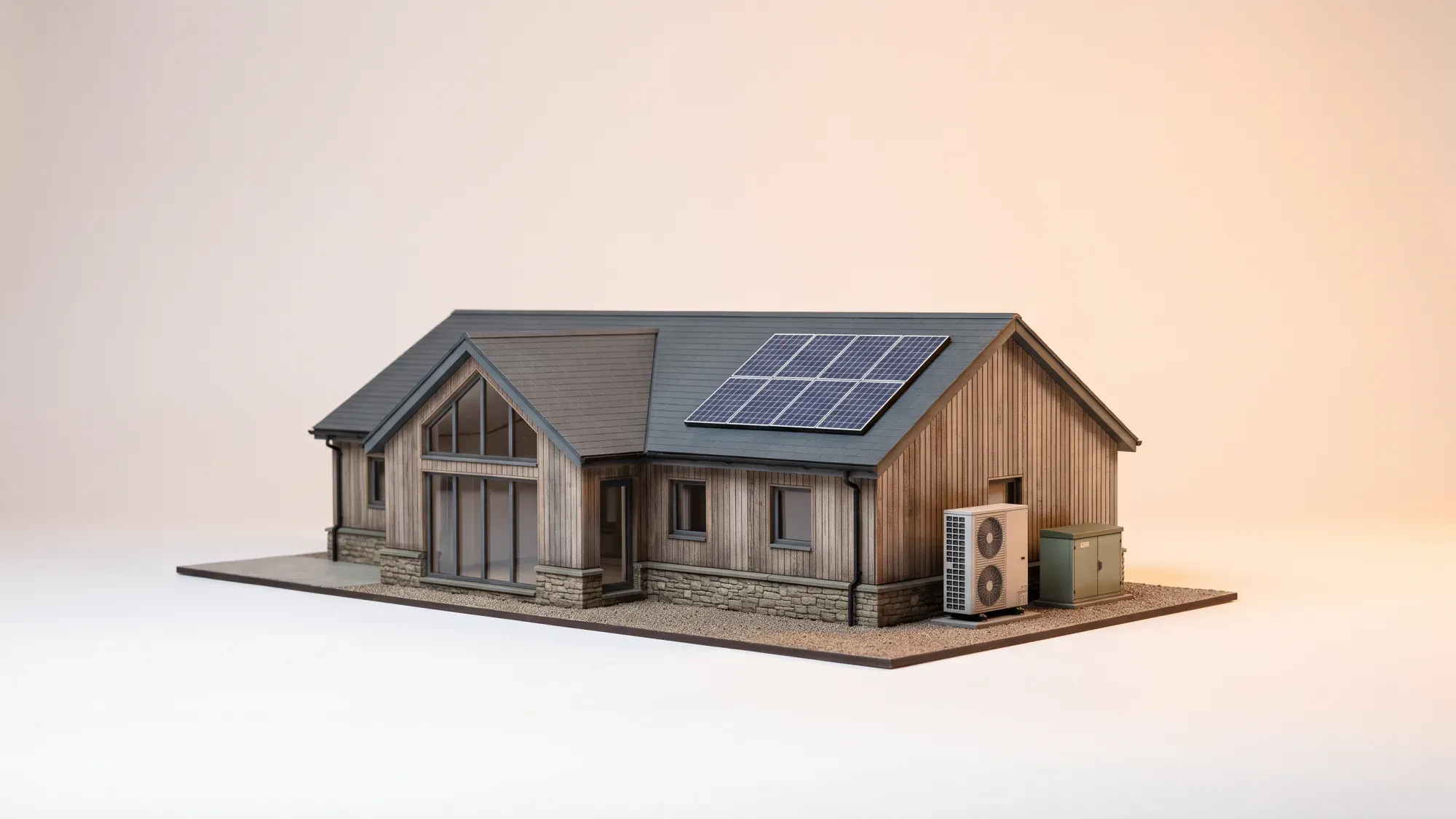
The Scottish Government is significantly increasing its investment in community renewable energy, boosting funding through the Community and Renewable Energy Scheme (CARES) to £15 million1. This initiative aims to empower local groups across Scotland to develop their own clean energy projects, supporting decarbonisation efforts and reducing energy bills.
Thinking about Scottish community renewable energy? With Fuse Energy, you get clear pricing, real-time usage data, 24/7 human customer support, and a modern energy experience designed around you. Signing up takes just a few minutes, so you can take control of your bills from day one. Click here to switch to Fuse Energy today and start saving.
Enter your address to get a quote and see how much you could save
Scotland's commitment to community renewable energy
Scotland is accelerating its transition to a clean energy future, with a strong emphasis on local ownership and benefit. This strategic shift recognises the vital role communities play in achieving net-zero emissions and fostering energy independence.
The vision for local energy ownership
The vision extends beyond communities merely hosting energy infrastructure. First Minister John Swinney articulated this, stating: "We are moving beyond the idea of communities as passive hosts of energy infrastructure. Our approach supports them to become active partners by helping them to invest in, own and benefit from the clean energy future." This approach aims to ensure that the economic and environmental benefits of renewable energy are directly felt at a local level, fostering resilience and creating sustainable communities.
The role of the Scottish Government
The Scottish Government's energy policy prioritises achieving net-zero emissions, with community ownership and local energy systems central to this transition. Programmes like CARES are flagship initiatives designed to provide the necessary support and funding for community-led renewable energy projects. This commitment underscores a belief that local initiatives are crucial for a successful and equitable energy transition.
Understanding the community and renewable energy scheme (CARES)
The Community and Renewable Energy Scheme (CARES) is a cornerstone of Scotland's strategy to support local energy projects. It provides financial and advisory assistance to community groups looking to develop their own renewable energy solutions.
Increased funding and its impact
The Scottish Government has increased annual funding for CARES to £15 million. This substantial uplift is designed to give more community organisations the opportunity to invest in renewable technologies, including onshore wind, solar power, heat pumps, and battery storage systems. Since its inception, CARES has already made a significant impact, investing over £83 million in Scottish communities. This investment has supported more than 1,200 projects, contributing to 75MW of renewable capacity across Scotland.
Eligibility and support for projects
CARES offers a range of support, including grants, loans, and expert advice, to help communities develop projects that deliver both environmental and economic benefits. This support covers various stages of project development, from initial feasibility studies to securing planning permissions and managing installation. An example of a successful beneficiary is the Scalpay Community Centre in the Western Isles, which received CARES funding to install a heat pump, solar photovoltaic (PV) and battery storage technology, significantly reducing its emissions and operating costs.
Types of community renewable energy projects in Scotland
Community groups in Scotland are exploring a diverse range of renewable energy technologies to suit their local needs and resources. These projects contribute to decarbonisation and offer tangible benefits to residents.
Onshore wind and solar power
Onshore wind and solar PV installations are popular choices for community energy projects. These technologies can generate significant amounts of clean electricity, feeding into local grids and providing revenue streams for communities. The increased CARES funding specifically supports these types of installations, making them more accessible for local groups.
Community heat pump installations
Decarbonising heat is a critical component of Scotland's net-zero ambitions. Community heat pump installations, often in public buildings like community centres or schools, offer an efficient, low-carbon heating solution. The Scalpay Community Centre's heat pump installation, supported by CARES, exemplifies how these systems can reduce energy bills and carbon footprints for communal spaces.
Battery storage and local grids
Integrating battery storage with renewable energy systems allows communities to store excess electricity generated from solar or wind, and use it when needed. This improves energy independence and can help stabilise local grids. Projects like the one at Scalpay Community Centre, which includes battery storage, demonstrate the potential for communities to manage their energy more effectively.
Benefits and challenges of community energy initiatives
Community energy projects offer numerous advantages, but also come with their own set of complexities that require careful navigation.
Economic and social advantages
The benefits of community energy extend beyond environmental impact. Economically, these projects can reduce energy bills for local residents and organisations, create local jobs, and generate revenue that can be reinvested into the community. Socially, they foster a sense of ownership and collaboration, empowering communities to take an active role in their energy future and strengthening local resilience.
Navigating project development hurdles
Developing a community renewable energy project can be complex. Challenges often include securing adequate funding, navigating intricate planning permissions, and ensuring sustained community engagement. Long-term operational and maintenance requirements also need careful consideration to ensure project sustainability. Organisations like Community Energy Scotland provide valuable guidance and support to help groups overcome these hurdles.
Steps to developing a community renewable energy project
Embarking on a community renewable energy project requires a structured approach, from initial concept to ongoing operation.
From idea to implementation
The journey typically begins with assessing local community needs and identifying potential renewable energy opportunities. This is followed by forming a dedicated project group and building broad community support. Researching available funding schemes, such as CARES, and understanding their eligibility criteria is a crucial early step. Detailed feasibility studies and securing necessary planning permissions then pave the way for developing a robust business plan and submitting comprehensive funding applications.
Accessing resources and expertise
Once funding is secured, the focus shifts to overseeing project installation, commissioning, and establishing long-term operational management. Throughout this process, accessing expert advice and resources, often available through schemes like CARES, is vital for success. These resources can help communities navigate the technical, financial, and regulatory aspects of their projects.
Powering Scotland's future: Fuse Energy's contribution
Community renewable energy projects are a vital part of Scotland's journey towards a clean energy future. They complement larger-scale generation assets, collectively building a robust and abundant energy system.
Investing in Scottish renewable generation
Fuse Energy is committed to building Scotland's clean energy future through its own investments in renewable generation. Our operational sites, such as the Balnamoon wind site in Moray, contribute tangible renewable electricity to the grid. These projects, alongside community initiatives, are essential components in working towards delivering the terawatt-hours of clean energy required for a sustainable future.
Supporting a future of energy abundance
Fuse Energy believes in a future with "power to play with," where energy is so abundant it stops being a constant concern. By investing in significant renewable generation assets, we aim to move beyond the scarcity narrative that has long dominated the energy sector. Community renewable energy projects, by empowering local ownership and reducing reliance on traditional energy sources, align with this vision of energy abundance. While Fuse Energy does not directly develop or fund community renewable energy projects, we support the broader goal of a clean energy future in Scotland by delivering clean, affordable energy to homes across Great Britain.
Managing your home's energy should be straightforward and empowering. Fuse Energy offers clear pricing, real-time usage data through our app, and 24/7 human customer support, helping you take control of your energy bills. Click here to switch to Fuse Energy today.
References
- Energy Live News. Renewables scheme gives community groups £15 million
Disclaimer
For the avoidance of doubt, this article is provided for informational purposes only and is not intended to constitute legal or financial advice. The author and/or Fuse Energy shall not be responsible for any losses arising out of any reliance on the information contained herein.