Scotland's data centre boom: concerns over power and water strain
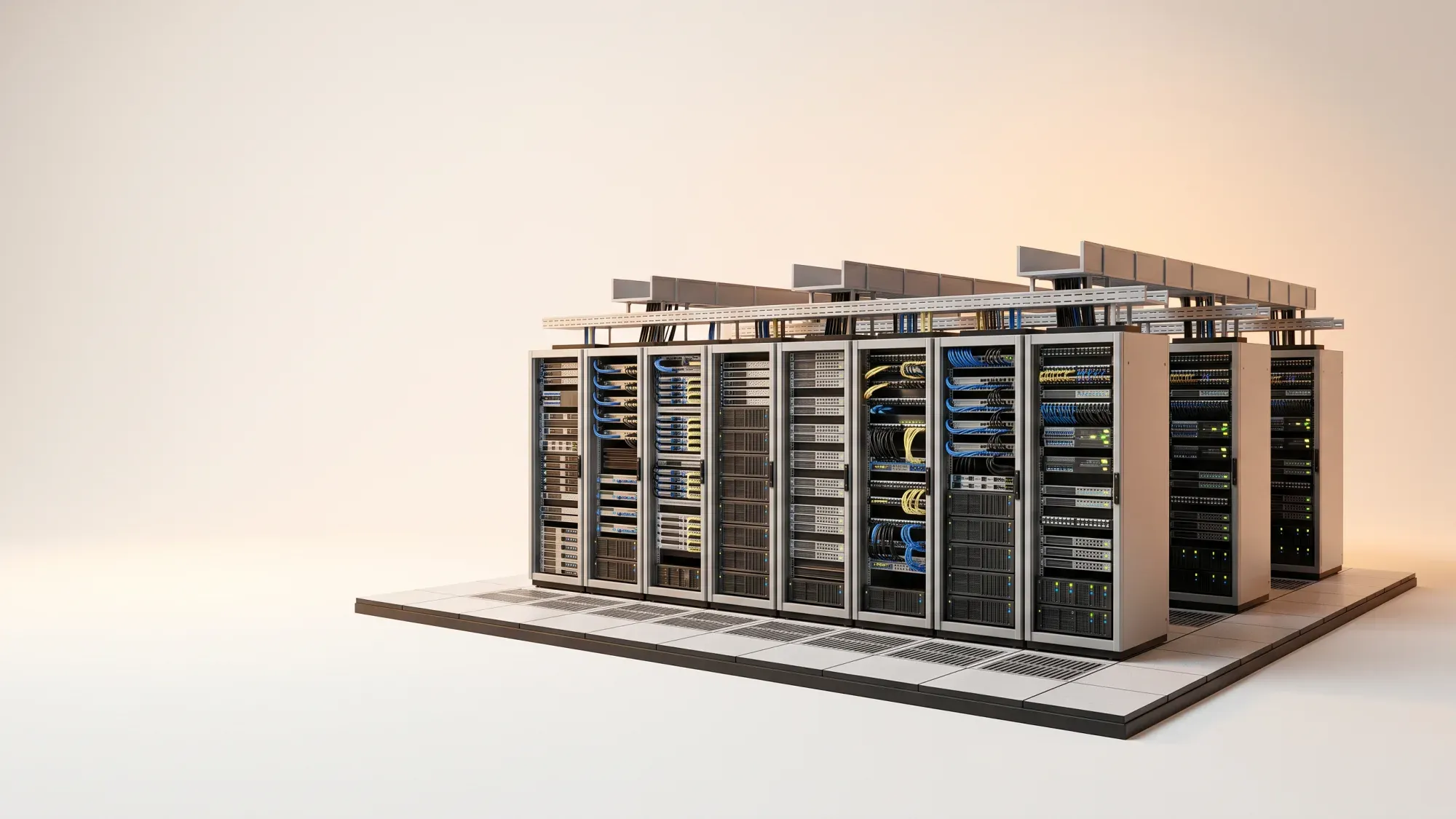
The rapid expansion of hyperscale artificial intelligence (AI) data centres in Scotland presents both significant opportunities and considerable challenges for the nation's vital water and power supplies. Driven by the increasing demand for energy-intensive AI technologies, questions are mounting about the sustainability of current infrastructure1. This article explores how Scotland can sustainably support the burgeoning demand for these facilities, balancing technological advancement with robust environmental and resource management.
The growth of data centres highlights the increasing demand for energy and the importance of sustainable solutions. At Fuse Energy, we believe in making energy abundant and accessible for your home.
Thinking about Scotland's data centre boom? With Fuse Energy, you get clear pricing, real-time usage data, 24/7 human customer support, and a modern energy experience designed around you. Signing up takes just a few minutes, so you can take control of your bills from day one. Click here to switch to Fuse Energy today and start saving.
Enter your address to get a quote and see how much you could save
The rise of data centres in Scotland: opportunities and challenges
Scotland's unique attributes make it an appealing prospect for digital infrastructure development. Its naturally cooler climate offers an inherent advantage, reducing the energy required for cooling data centres compared to warmer regions. Furthermore, Scotland possesses abundant renewable energy resources, particularly wind and hydro power, which align with the growing industry demand for green energy solutions.
Scotland's appeal for digital infrastructure
Scotland's commitment to renewable energy and its cooler climate position it as an attractive location for green data centres. The nation aims to be a leading zero-carbon, cost-competitive green data hosting location, contributing to its ambition of achieving net-zero emissions by 2045. This strategic focus encourages investment in a portfolio of data centres, ranging from edge to hyperscale facilities, supported by a skilled workforce.
The growing demand for AI data centres
Artificial intelligence workloads substantially increase the energy demands of data centres compared to traditional computing. This surge in demand is driving a rapid expansion of data centre infrastructure globally. Goldman Sachs Research forecasts global data centre power demand to rise by 165% by 2030 from 2023 levels. Goldman Sachs also estimates that global data centre capacity could expand by 50% to 92 GW by 2027.
Powering the future: energy demands and Scotland's grid
The energy intensity of modern data centres, particularly those supporting AI, necessitates careful consideration of power supply and grid infrastructure.
Understanding data centre energy consumption
Hyperscale data centres are significant consumers of electricity. A single hyperscale AI facility can draw roughly 100 to 500 MW of power. To put this into perspective, a typical 100 MW hyperscale data centre can consume around 876 million kWh annually. Global data centre electricity consumption was estimated at 415 TWh in 2024 and is projected to double to 945 TWh by 2030 in the International Energy Agency's (IEA) Base Case scenario. AI adoption is a major driver, with AI workloads projected to grow by 30% annually and account for almost half of the net increase in global data centre electricity consumption between 2024 and 2030. Cooling systems alone can account for a substantial portion of a data centre's energy use, ranging from 7% at efficient hyperscalers to over 30% at less efficient facilities.
Scotland's renewable energy landscape
Scotland possesses significant renewable energy resources, particularly wind and hydro power, which can contribute to sustainable data centre operations. The country already generates 113% of its own electricity consumption from renewable sources, making it a net energy exporter. This abundance of green energy is a key asset for attracting data centre investment. Scotland's renewable energy planning pipeline stood at an impressive 99.4 GW across 1,253 projects at the end of June 2026. This includes 43.9 GW for electricity storage and 51.6 GW for renewable electricity generation, with offshore wind accounting for 30.1 GW and onshore wind for 17.7 GW of this pipeline.
Grid capacity and modernisation
While Scotland boasts substantial renewable generation capacity, the concentration of data centres in specific locations can pose challenges for grid integration. Modernising and expanding grid infrastructure is crucial to effectively harness Scotland's renewable potential and deliver it reliably to high-demand facilities. This involves strategic planning and investment to ensure that the pace of network investment matches the rapid development of renewable energy projects.
Water resources: a critical consideration for data centres
Beyond electricity, hyperscale data centres require significant amounts of water, primarily for cooling, making water resource management a vital consideration.
Water use in data centre cooling
Data centres generate considerable heat, and cooling systems are essential to maintain optimal operating temperatures. Hyperscale data centres can use between 100,000 and 5 million gallons (approximately 450,000 to 22.7 million litres) of water per day, depending on their size, local climate, and the cooling technology employed. A typical 100 MW hyperscale data centre in the United States, for example, consumes around 2 million litres of water per day. Global data centre water consumption was estimated at 560 billion litres in 2023 by the IEA, with Rystad Energy projecting it could rise to nearly 644 billion litres annually by 2030. The choice of cooling technology significantly impacts water usage; evaporative cooling systems are water-intensive but energy-efficient, while dry or closed-loop systems use less water but require more power. Water Usage Effectiveness (WUE), measured in litres of water consumed per kilowatt-hour of IT energy, is a key metric for assessing water efficiency.
Scotland's water supply and management
Scotland has abundant freshwater resources, but the concentrated demand from large data centres requires careful management to avoid strain on local supplies. Water abstraction from sources outside the public water supply is regulated by the Scottish Environment Protection Agency (SEPA), and pre-application discussions are recommended for data centres due to their significant water needs. Developers must consider the availability of water throughout the year, including periods of potential scarcity, and select appropriate cooling systems and water supplies early in the project planning phase.
Sustainable water strategies
Implementing sustainable water strategies is paramount for data centre development in Scotland. This includes prioritising water-efficient cooling technologies, exploring water recycling and reuse within facilities, and considering alternative water sources such as treated effluent or seawater before resorting to public drinking water supplies. The Scottish Government's recent planning requirements, introduced in September 2026, now mandate Environmental Impact Assessments (EIAs) for new data centres exceeding 50 MW power capacity, explicitly bringing water consumption and its potential impacts on water resources into the planning discussion.
Strategic approaches for sustainable data centre growth
Addressing the energy and water demands of data centres in Scotland requires a multi-faceted approach, combining technological innovation with strategic planning and collaboration.
Innovative cooling technologies
Advancements in cooling technologies offer pathways to reduce both energy and water consumption. Closed-loop cooling systems, direct-to-chip liquid cooling, and adiabatic cooling can significantly lower water usage compared to traditional evaporative methods. Investing in and adopting these innovative solutions can help data centres minimise their environmental footprint while maintaining operational efficiency.
Renewable energy integration and storage
Leveraging Scotland's vast renewable energy resources is central to sustainable data centre development. This involves direct integration of renewable energy sources, such as wind and solar, and the deployment of energy storage solutions to ensure a stable and reliable power supply. Strategic siting of data centres near renewable energy generation sites can also reduce transmission losses and grid strain.
Policy and collaboration
Effective policy frameworks and strong collaboration between government, industry, and local communities are essential. This includes clear guidelines for sustainable development, incentives for adopting green technologies, and transparent reporting of energy and water usage. Engaging with local utility providers and environmental agencies early in the planning process is crucial to understand infrastructure capabilities and regulatory expectations.
The Scottish government's role in digital infrastructure
The Scottish Government is actively shaping the landscape for digital infrastructure, aiming to balance economic growth with environmental stewardship.
Green data centre initiatives
The Scottish Government launched its Green Data centres and Digital Connectivity Vision and Action Plan in 2021. This plan aims to position Scotland as a leading zero-carbon data hosting location by encouraging investment in sustainable data centres. Initiatives include exploring opportunities for using waste heat from data centres for other energy uses and developing cold green storage propositions in rural areas.
Supporting sustainable development
The Scottish Government has demonstrated its commitment to sustainable development through regulatory measures. In September 2026, new planning requirements were introduced, mandating Environmental Impact Assessments (EIAs) for data centre developments exceeding 50 MW power capacity. These assessments ensure that potential environmental effects, including impacts on water resources, are considered from the outset. This proactive approach aims to reconcile economic ambitions with national energy, climate, and community interests.
Future-proofing Scotland's digital ambitions
Scotland has the opportunity to become a global leader in sustainable digital infrastructure by proactively addressing the challenges posed by hyperscale AI data centres.
Balancing growth with environmental stewardship
The debate surrounding data centre expansion in Scotland centres on balancing technological advancement with robust environmental and resource management. The goal is not to hinder growth but to ensure it occurs sustainably, without compromising vital resources. This involves establishing how much data centre capacity the country can sustainably accommodate and assessing cumulative impacts of multiple developments.
Long-term infrastructure planning
Long-term infrastructure planning is critical to support the ongoing growth of data centres. This includes continuous investment in grid modernisation, expansion of renewable energy generation, and the development of innovative water management solutions. By taking an optimistic but rigorous approach to these challenges, Scotland can transform potential obstacles into opportunities for innovation and strategic leadership in the global digital economy.
Managing your home energy bills should be clear and easy to understand. Fuse Energy focuses on straightforward pricing, so you can see exactly what you're paying without unnecessary complexity. If you have a smart meter, you can view detailed usage data through the app or website, helping you understand how you can lower your bills. Our 24/7 human support team is always on hand with fast response times whenever you need help. Click here to switch to Fuse Energy today. Find out about our mission by clicking here.
Disclaimer
For the avoidance of doubt, this article is provided for informational purposes only and is not intended to constitute legal or financial advice. The author and/or Fuse Energy shall not be responsible for any losses arising out of any reliance on the information contained herein.