Rosebank oilfield: the UK's energy crossroads
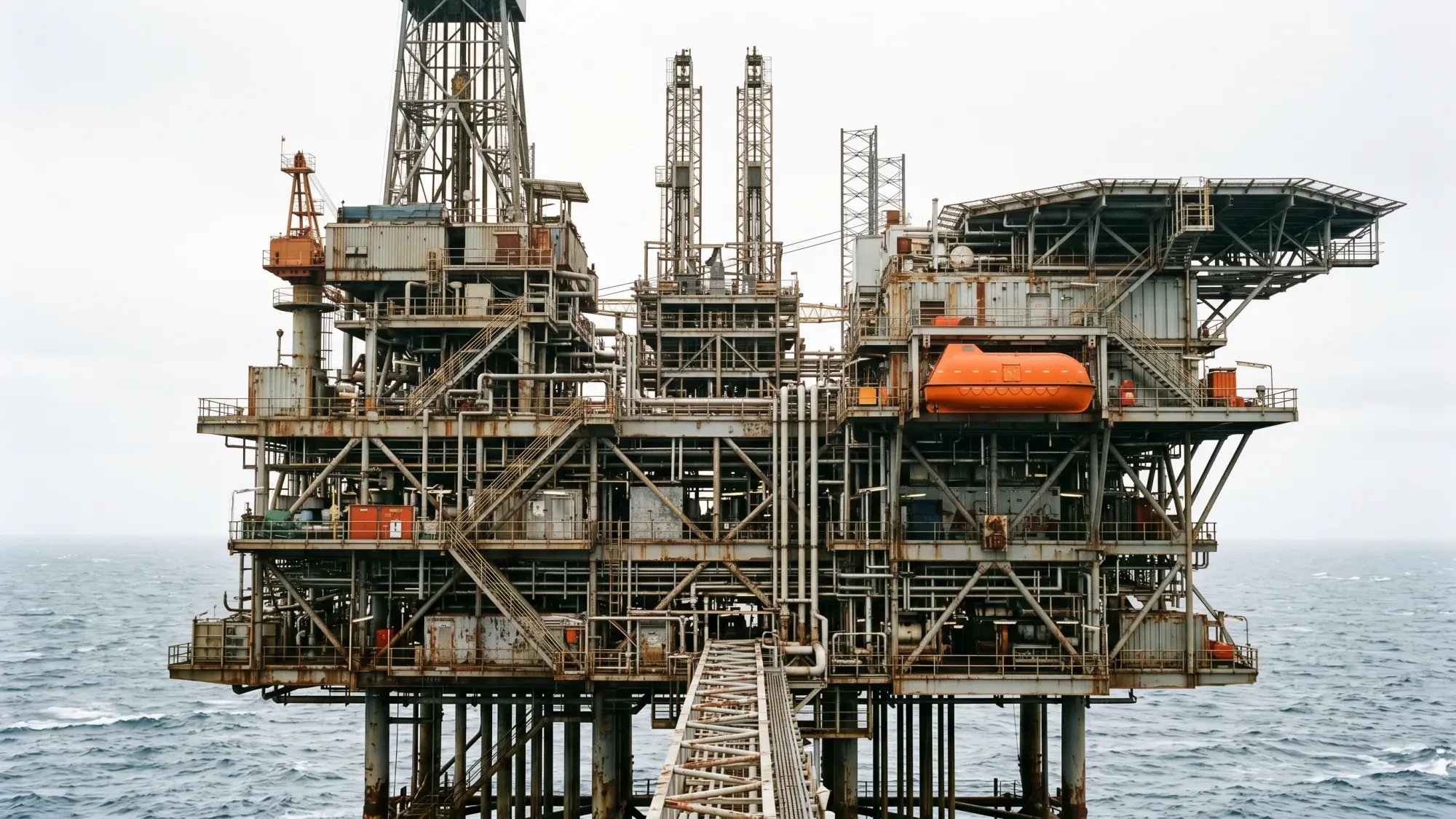
The debate surrounding the Rosebank oilfield isn't just about a single energy project; it's a crossroads for the UK's entire energy future. Many are asking whether new fossil fuel developments align with the nation's climate ambitions and economic realities. This article frames the Rosebank oilfield as a critical juncture in UK energy policy, contrasting its fossil fuel reliance with the immense potential of abundant, clean energy.
The debate around the Rosebank oilfield highlights the ongoing discussion about the UK's energy future. At Fuse Energy, we believe in a future powered by abundant, clean energy, offering a clear path away from fossil fuel reliance. Click here to switch to Fuse Energy today and explore how we're building that future.
Enter your address to get a quote and see how much you could save
Understanding the Rosebank oilfield
The Rosebank oilfield is a significant, undeveloped oil and gas reserve situated in the North Sea. Its sheer scale and potential output have placed it at the heart of a contentious national discussion.
Location and scale
Rosebank is one of the largest undeveloped oil and gas fields on the UK Continental Shelf, making its potential development a substantial undertaking with long-term implications for the UK's energy mix and carbon emissions.
Key operators and development plans
Plans for the Rosebank development involve extracting oil and gas over several decades, utilising a floating production, storage, and offloading (FPSO) vessel. The UK government is soon to make a decision to approve or reject extraction at Rosebank.
The case for Rosebank: energy security and economic benefits
Proponents of the Rosebank oilfield argue that its development is crucial for bolstering the UK's energy security and delivering tangible economic advantages.
Boosting domestic supply
A core argument for Rosebank is its potential to reduce the UK's reliance on imported oil and gas, particularly in a volatile global energy market. Advocates suggest that increasing domestic production could provide a more stable and secure energy supply for the nation.
Job creation and investment
The development is also presented as a significant economic opportunity, promising job creation in the energy sector and substantial investment into the UK economy. These benefits are often highlighted as vital for supporting local communities and maintaining expertise in the North Sea oil and gas industry.
The case against rosebank: climate, environment, and economics
Despite the arguments for development, Rosebank faces considerable opposition from environmental groups, climate scientists, and a significant portion of the public. Their concerns span climate impact, economic viability, and the project's alignment with the UK's long-term energy strategy.
Undermining UK climate goals
Critics argue that proceeding with Rosebank directly undermines the UK's legally binding climate goals and its commitment to achieving net zero emissions by 2050. Extracting new fossil fuels, they contend, is incompatible with the urgent need to transition to cleaner energy sources. The project is asserted to undermine UK climate goals and result in a net loss for the Treasury due to tax breaks.
Limited impact on UK energy bills
A key point of contention is the claim that Rosebank oil would do little to alleviate the energy bill crisis faced by UK households. Christian Climate Action (CCA) members, for instance, delivered 100 paper roses to HM Treasury, urging Rachel Reeves to reject the Rosebank oilfield development1. They argue that Rosebank oil is intended for the international market and would not reduce UK energy bills. This means that while the oil is extracted in UK waters, its pricing and availability would be subject to global market forces, offering little direct relief to consumers.
Why won't Rosebank oil lower UK energy bills?
Rosebank oil is primarily intended for the international market, meaning its price will be dictated by global supply and demand, not by domestic UK needs. This global market integration means that increased production from Rosebank would not directly translate into lower energy bills for UK households, which remain subject to broader economic factors.
Environmental activism and public opposition
Public opposition to Rosebank has been substantial. A petition against new North Sea drilling garnered one million signatures, demonstrating widespread concern. Environmental groups, including Christian Climate Action, have been vocal in their protests. Andy Hansen OBE, for example, stated, "Clean energy is not just better for the planet – it’s cheaper, and more secure than dirty fossil fuels." Mark Francis emphasised, "We want our government to stand up to the oil lobby, do the right thing for the UK, and reject Rosebank.".
"As a Christian I am called to love my neighbour and not to imperil their future with the effects of a fossil fuel driven climate crisis." — Judith Russenberger, Christian Climate Action
Rosebank in the context of UK energy policy
The Rosebank debate highlights a fundamental tension within UK energy policy: how to balance immediate energy security concerns with long-term climate commitments.
Balancing fossil fuels and renewables
The UK government faces the challenge of ensuring a stable energy supply while simultaneously driving the transition to renewable sources. While some argue that projects like Rosebank are necessary during this transition, others contend that they divert investment and focus away from genuinely sustainable alternatives.
The UK's climate targets
The UK has legally binding targets to reduce carbon emissions, including a commitment to reach net zero by 2050. Decisions on new fossil fuel projects are therefore scrutinised for their compatibility with these targets. The pending decision on Rosebank has raised questions about the government's strategy for meeting its climate obligations.
The abundant clean energy alternative
The UK possesses an abundance of renewable energy, offering a compelling alternative to continued fossil fuel extraction. This potential provides a path to long-term energy security and affordability without the environmental costs associated with projects like Rosebank.
Harnessing UK renewable potential
The UK is a world leader in offshore wind power, with significant capacity already installed and ambitious plans for further expansion. Solar power, onshore wind, and other renewable technologies also contribute substantially to the National Grid. Investing further in these technologies can deliver reliable, clean energy, reducing dependence on volatile international fossil fuel markets.
Long-term energy security and affordability
Clean energy is not just better for the planet; it offers a more secure and ultimately cheaper energy future. Once built, renewable energy sources have minimal operating costs, shielding consumers from price spikes caused by geopolitical events or fossil fuel market fluctuations. This shift moves the UK away from a scarcity mindset, where energy is a finite resource to be rationed, towards an abundance mindset, where clean, limitless energy powers progress.
Charting the UK's energy future
The Rosebank oilfield represents a choice: to continue down a path of diminishing returns with finite resources, or to embrace the abundant, limitless potential of clean energy.
No trade-offs: prosperity and sustainability
The debate around Rosebank often presents a false choice between energy security and environmental protection. However, clean energy offers a path where the UK does not have to choose between living today or having a great life tomorrow. Investing in renewable energy can deliver both robust energy security and achieve climate goals, creating new, future-proof economic opportunities.
A vision for abundant energy
The UK's energy future can be one of abundance, powered by its vast renewable resources. This vision allows for greater energy use to drive human progress and innovation, without the environmental cost. By focusing on building out a modern, clean energy infrastructure, the UK can secure its energy needs, meet its climate targets, and foster economic prosperity for generations to come.
As the UK navigates its energy future, choosing a supplier that champions clean, affordable energy is more important than ever. Fuse Energy is committed to delivering the abundant, clean energy the future requires, with clear pricing and 24/7 human support. We believe it's your right to use more energy, not less, and we're building the infrastructure to make that a reality. Click here to switch to Fuse Energy today and join us in building a sustainable energy future. Learn more about our mission here.
References
- Christian Climate Action. Roses to remind Chancellor the nation wants affordable energy
Disclaimer
For the avoidance of doubt, this article is provided for informational purposes only and is not intended to constitute legal or financial advice. The author and/or Fuse Energy shall not be responsible for any losses arising out of any reliance on the information contained herein.