UK electricity capacity: over 200% rise by 2050
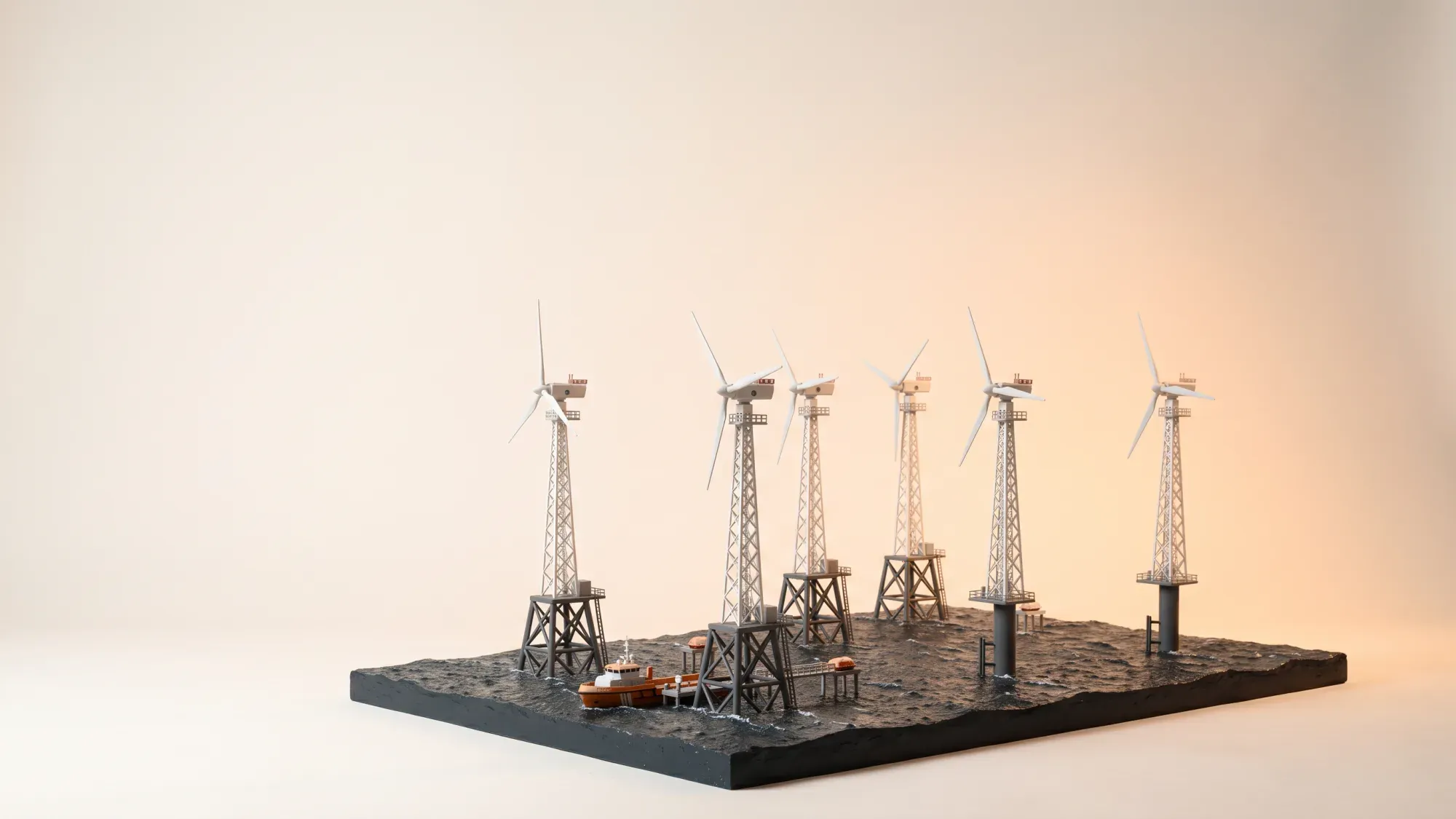
The UK's energy landscape is undergoing a significant transformation, driven by a commitment to move towards clean, abundant renewable sources. This shift is not merely an environmental imperative but also a strategic move to secure a stable and reliable energy supply for the nation. To meet future demand and effectively manage intermittent renewable sources, Britain's electricity system operator indicates that total electrical generation capacity could need to rise by between 206 and 245 per cent between 2024 and 2050. This ambitious target underscores the scale of change required for a truly renewable UK.
The transition to a future with abundant energy is a key focus for Fuse Energy. We believe in empowering homes with clear pricing and smart energy solutions.
Thinking about UK electricity capacity? With Fuse Energy, you get clear pricing, real-time usage data, 24/7 human customer support, and a modern energy experience designed around you. Signing up takes just a few minutes, so you can take control of your bills from day one. Click here to switch to Fuse Energy today and start saving.
Enter your address to get a quote and see how much you could save
The UK's renewable energy landscape today
The UK's legally binding Net Zero targets are accelerating the transition to renewable energy, fundamentally reshaping the national electricity grid.1 This journey is marked by significant progress, particularly in harnessing abundant natural resources like wind and solar energy.
Progress towards Net Zero targets
The drive towards Net Zero has positioned the UK as a leader in renewable energy deployment, with policies and initiatives aimed at decarbonising the electricity supply. This commitment is reflected in the increasing share of renewables in the national energy mix.
Current generation mix and contribution
Renewable energy sources are now a cornerstone of the UK's electricity supply. Offshore wind, in particular, has emerged as a dominant force, benefiting from the UK's extensive coastline and strong winds. Onshore wind and solar power also contribute significantly, alongside other clean energy technologies. The average UK home uses around 2,500 kWh of electricity per year.
Key renewable technologies driving growth
The UK's renewable energy sector is characterised by a diverse portfolio of technologies, each playing a vital role in the transition to a clean energy future.
Offshore and onshore wind power
Offshore wind is a leading renewable energy source in the UK, boasting high capacity factors. UK offshore wind farms average around 41% capacity factor. Concerns about environmental impact, particularly on migratory birds, have been addressed by studies showing that "more than 99.8 per cent of migratory birds reliably avoided the wind turbines". Onshore wind also continues to be a crucial component, with ongoing developments and investments across the country.
Solar energy: home and utility scale
Solar energy, both at utility scale and through home solar systems, is expanding rapidly. Large-scale projects like the Beacon Fen Energy Park face local challenges, but the potential for solar remains immense. For homeowners, modelling suggests that home solar and battery systems could pay for themselves in around 8 years and overtake savings accounts in year 13, offering a viable path to energy independence.
Emerging technologies and electrification
The electrification of transport and heating systems is set to dramatically increase electricity demand. This necessitates not only more generation capacity but also the integration of emerging technologies. Electric vehicles (EVs) and heat pumps are becoming more common, requiring a robust and flexible grid to support their energy needs.
The crucial role of energy storage
As the UK integrates more intermittent renewable sources like wind and solar, energy storage solutions become critical for maintaining grid balance and ensuring a stable electricity supply.
Battery storage solutions
Battery storage, including large-scale projects and home battery storage, is rapidly expanding. These systems can store excess renewable energy and release it when demand is high or generation is low, helping to smooth out fluctuations in supply. Projects like Hunterston BESS demonstrate the growing importance of grid-scale battery storage. Sodium-ion battery technology is also emerging as a promising alternative.
Pumped hydro and other storage methods
Pumped hydro storage, such as the Coire Glas scheme, offers another large-scale solution for energy storage. These facilities use surplus electricity to pump water uphill to a reservoir, releasing it through turbines to generate power when needed. Other methods are also being explored to provide the flexibility required by a renewable-heavy grid.
Balancing the grid with intermittent renewables
The inherent variability of renewable generation means that effective grid balance mechanisms are essential. Energy storage technologies, combined with smart grid management, are key to ensuring that supply consistently meets demand, even as the proportion of intermittent renewables grows.
UK energy policy and future outlook
Government policies and targets are pivotal in shaping the UK's renewable energy future, driving investment and innovation across the sector.
Government targets and initiatives
The UK's legally binding Net Zero targets underpin its energy policy, mandating a significant reduction in carbon emissions. Initiatives like Great British Energy aim to accelerate the deployment of renewable projects and foster domestic energy independence. Ofgem, the energy regulator, plays a crucial role in overseeing the market and ensuring fair practices.
Addressing future demand and infrastructure
Meeting the projected 206-245 per cent increase in electrical generation capacity by 2050 will require substantial investment in new infrastructure, including upgraded transmission networks and smart grid technologies. This will ensure the grid can handle increased demand and the integration of diverse renewable sources.
Skills development for a green economy
The expansion of the renewable energy sector also necessitates a focus on skills development. Training programmes and educational initiatives are vital to build a workforce capable of designing, installing, and maintaining the next generation of clean energy technologies, from wind turbine technicians to solar panel installers.
Powering the future with abundant energy
The UK's journey towards a renewable energy future is an ambitious undertaking, but one filled with immense opportunity. By embracing technological advancements and strategic investments, the nation can move beyond a scarcity mindset to one of energy abundance.
Challenging the scarcity mindset
The narrative around energy has often been dominated by concerns of scarcity and limitation. However, the vast potential of renewable sources like offshore wind and solar energy offers a compelling counter-narrative. The challenge lies not in a lack of energy, but in effectively harnessing and distributing it. This shift in perspective is crucial for fostering innovation and accelerating the transition.
Fuse Energy's role in the transition
Fuse Energy is committed to delivering an abundant, clean energy future. By focusing on vertical integration and rebuilding the energy system from scratch, Fuse aims to provide cheaper, cleaner energy. While Fuse Energy does not install home solar systems or heat pumps, its focus on energy supply, smart meter upgrades, and EV charger installations contributes to a more efficient and responsive energy system, empowering customers with greater control over their energy usage. Fuse Energy offers 24/7 human customer support and transparent pricing to help you manage your energy needs effectively.
Click here to switch to Fuse Energy today and be part of the transition to a cleaner, more sustainable energy future. You can also learn more about our mission here.
References
- Electricity Info. Renewables
Disclaimer
For the avoidance of doubt, this article is provided for informational purposes only and is not intended to constitute legal or financial advice. The author and/or Fuse Energy shall not be responsible for any losses arising out of any reliance on the information contained herein.