Plug-in solar panels: legal in Britain from 27 August
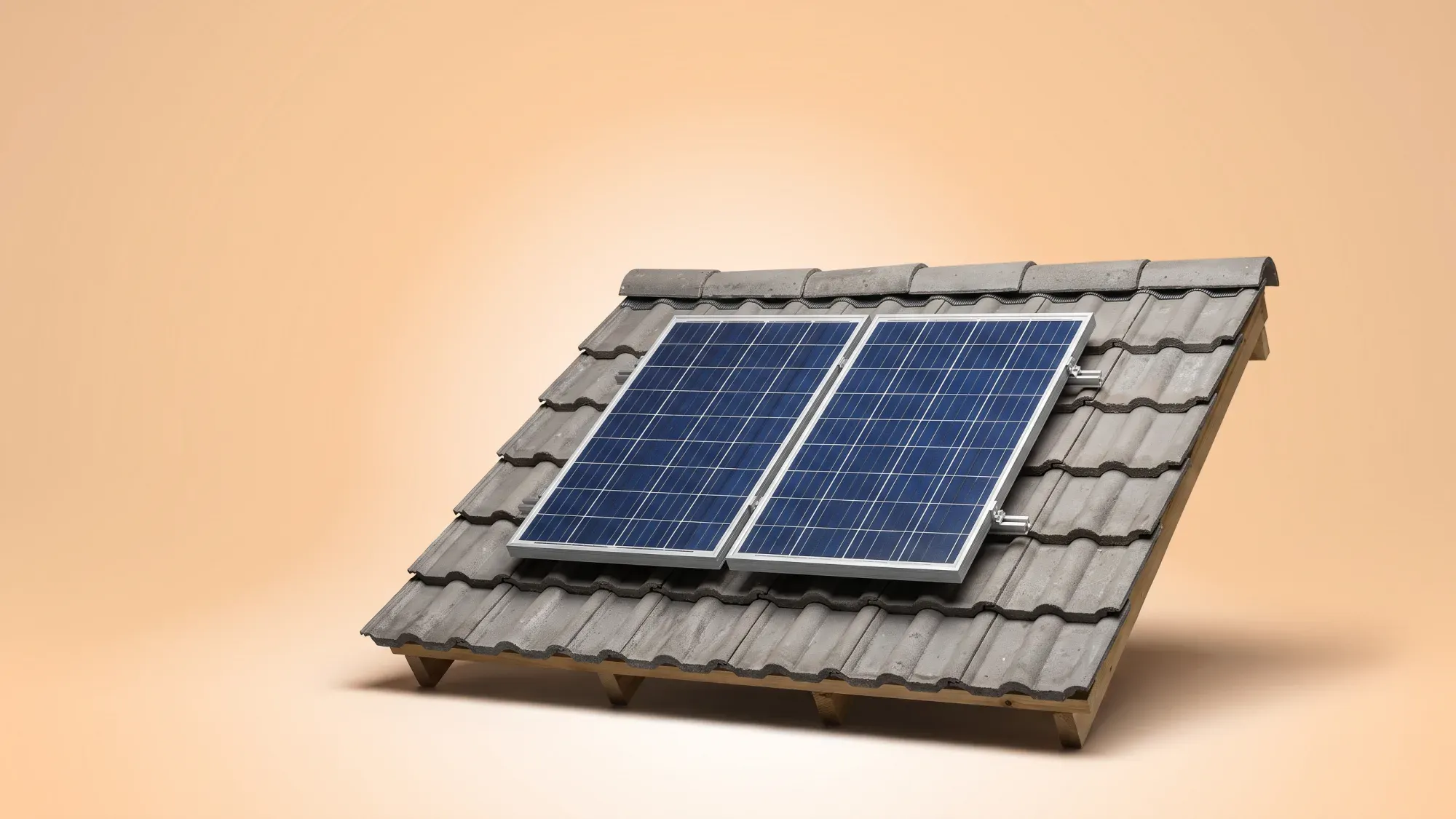
Plug-in solar panels are set to become legal in Great Britain from 27 August, offering a new way for households to generate their own electricity. This change opens the door for many UK homeowners and renters to embrace solar energy, potentially reducing their electricity bills and contributing to a greener future. However, navigating the new regulations and ensuring safety is crucial.
What are plug-in solar panels?
Plug-in solar panels are compact solar photovoltaic (PV) systems designed for easy installation and connection to a standard three-pin electrical socket in your home. Unlike traditional rooftop solar installations, which often require significant structural work and professional installation, these systems are typically smaller and more accessible. They are particularly appealing to renters, flat owners, and those without suitable roof space, offering a straightforward entry point into solar power.
How they work
At their core, plug-in solar panels convert sunlight into direct current (DC) electricity. This DC power then flows into a micro-inverter, usually attached to the back of the panel, which transforms it into alternating current (AC) electricity suitable for household use. This AC electricity is then fed directly into your home's electrical circuit via a standard wall socket, offsetting the electricity you would otherwise draw from the grid.
Who can benefit
The new regulations make plug-in solar an option for a broader range of people. Renters, flat owners, and those with limited outdoor space (like a balcony or small garden) can now consider generating their own power. These systems are designed to be a more accessible and affordable entry point into solar energy compared to full rooftop installations, which often require significant upfront investment and professional installation.
The new UK regulations and what they mean
The UK government has introduced new regulations that will legalise plug-in solar panels from 27 August, removing previous legal ambiguities around connecting generating equipment to a standard wall socket.
Legality from 27 August
From 27 August, households in Great Britain will be able to legally purchase and use approved plug-in solar panels to generate electricity and feed it into their homes via a standard three-pin socket. This regulatory change aims to make solar power more accessible to a wider demographic, including those who do not own their homes or cannot install rooftop panels.
The 800W output limit
Under the new rules, qualifying plug-in solar systems will be limited to a maximum output of 800W. This limit is designed to ensure the safety of household wiring systems and prevent overloading, while still allowing for a meaningful contribution to a home's electricity supply. The 800W output can contribute to offsetting a home's continuous background electricity demand, such as for refrigerators, routers, and lighting.
Mandatory anti-islanding protection
A critical safety feature for all compliant plug-in solar systems is mandatory anti-islanding protection. This mechanism ensures that the system automatically disconnects from the grid during a power cut. This is vital to prevent electricity from being fed back into the grid while engineers are working on it, protecting both workers and the public from potential electrocution.
Critical safety and compliance considerations
While plug-in solar offers exciting possibilities, industry specialists and the Government have raised serious concerns about safety and compliance that households must address1.
"On the surface, it all sounds very simple and convenient, and a bit of a no-brainer. But from an electrical installation viewpoint, there can be serious concerns, from circuit protection and reverse power flow, to the very real risk of encouraging the wider use of plug-based generation equipment, in homes that were never built or designed to cope with it." — Rhys Phillips, Next Energy
Risks of older wiring and unsuitable equipment
The Government has acknowledged concerns regarding older wiring, unsuitable protective equipment, and installations on higher-risk buildings. Many older homes were not designed to handle electricity being fed back into their circuits, even at lower wattages. It is crucial to assess your home's electrical system to ensure it is suitable and has appropriate circuit protection.
The danger of non-compliant products
The market for plug-in solar panels is expected to grow rapidly, and there is a risk of non-compliant products being sold, particularly through online channels. These products may not meet the necessary safety standards, potentially posing fire or electrical shock hazards. Households must ensure they purchase compliant products that adhere to UK regulations.
Why extension leads are prohibited
Extension leads are strictly prohibited for connecting plug-in solar panels. These leads are not designed to carry electricity in reverse or handle continuous power generation, and their use can lead to overheating, electrical fires, or other serious safety issues. Systems must be plugged directly into a suitable wall socket.
Ensuring suitable circuits and RCDs
Consumers will need to identify a suitable electrical circuit protected by the correct circuit breaker and a Residual Current Device (RCD). An RCD is a life-saving device designed to prevent you from getting a fatal electric shock if you touch something live, and it can also provide some protection against electrical fires. Government guidance will also advise when an electrician should inspect older or potentially unsuitable installations.
Your responsibilities: installation and notification
Even with the ease of "plug-in" systems, there are clear responsibilities for households to ensure safe and compliant operation.
Notifying your Distribution Network Operator
Households are legally required to notify their Distribution Network Operator (DNO) about the installation of plug-in solar panels. This notification helps the DNO manage the local electricity grid, ensuring it remains balanced and can safely accommodate the new generation capacity. Failing to notify your DNO can lead to safety risks and potential penalties.
Identifying compliant products
To ensure safety and compliance, households should only purchase products listed as compliant on the Energy Networks Association's (ENA) G98 Type Test Register. This register lists microgeneration equipment that has been independently tested and approved to meet the necessary technical and safety standards for connection to the UK grid.
Professional installation vs DIY
While plug-in solar panels are often marketed as DIY-friendly, the emphasis on electrical safety and compliance means that professional advice may still be necessary, especially for older properties or if you are unsure about your home's electrical system. An electrician can assess your circuits, ensure proper RCD protection, and confirm suitability.
Realistic expectations for plug-in solar
Plug-in solar panels offer a step towards energy independence, but it's important to have clear expectations about their capabilities.
Reducing grid reliance, not full independence
These systems are designed to reduce the amount of electricity drawn from the grid, not to provide full energy independence or power during blackouts. The 800W output limit means they will offset a portion of your household's electricity consumption, which can contribute to offsetting your baseline load. During a power cut, anti-islanding protection will disconnect the panels, meaning they will not supply power to your home.
Energy bill savings potential
Plug-in solar panels can contribute to reducing your energy bills by generating some of your own electricity. The actual savings will depend on factors such as the amount of sunlight your panels receive, your household's electricity consumption patterns, and the unit price of electricity. The average UK home uses around 2,500 kWh of electricity per year. An 800W system can help offset a portion of this, leading to lower reliance on grid electricity.
How much electricity does an 800W plug-in solar system generate?
An 800W plug-in solar system, operating under typical UK sunlight conditions, can generate a significant amount of electricity annually. The exact output depends on factors like panel orientation, shading, and local weather, but it can meaningfully contribute to offsetting a portion of an average household's electricity demand.
Balcony solar and other placements
Plug-in solar panels, sometimes referred to as 'balcony solar' or 'balcony power plants', are versatile and can be placed in various outdoor locations. This includes balconies, terraces, garden sheds, or any other outdoor space that receives adequate sunlight. Their compact size and ease of placement make them ideal for urban dwellers or those with limited roof access.
Beyond plug-in: comprehensive home solar solutions
While plug-in solar panels offer an accessible entry point, they are not a one-size-fits-all solution for maximum energy independence.
When to consider a full solar installation
For households seeking greater energy independence, significantly larger bill reductions, or the ability to power their home during outages (with battery storage), a full rooftop solar installation remains the most effective option. These systems can generate substantially more electricity, often allowing for significant export to the grid and integration with home battery storage solutions.
Maximising your energy independence with Fuse Energy
References
- Energy Live News. Plug-in solar could come with dangers...
Disclaimer
For the avoidance of doubt, this article is provided for informational purposes only and is not intended to constitute legal or financial advice. The author and/or Fuse Energy shall not be responsible for any losses arising out of any reliance on the information contained herein.