Ofgem warns on grid squeeze after Heathrow data centre approved
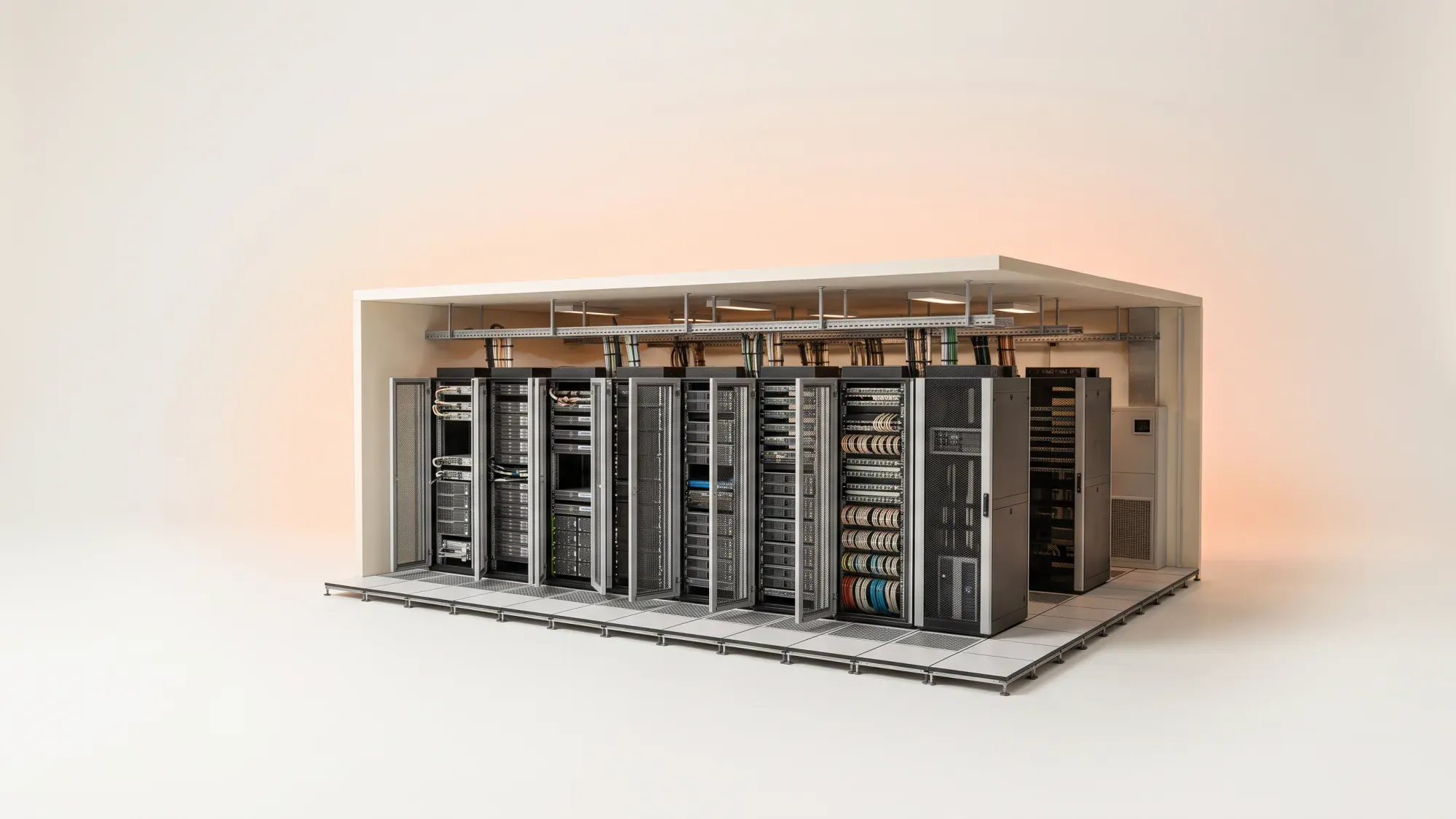
The energy watchdog Ofgem has issued a warning that speculative data centre projects risk holding up viable investments on Britain's electricity grid. This concern follows the approval of a power-hungry data centre near Heathrow Airport, which adds pressure to London's electricity network, already facing a backlog due to booming artificial intelligence (AI) demand. An Ofgem spokesperson stated that "speculative schemes taking up space can delay viable projects and create uncertainty for network planning".1
Explore smarter energy for your home. With Fuse Energy, you get clear pricing, real-time usage data, 24/7 human customer support, and a modern energy experience designed around you. Signing up takes just a few minutes, so you can take control of your bills from day one. Click here to switch to Fuse Energy today and start saving.
Enter your address to get a quote and see how much you could save
Understanding the UK's electricity grid squeeze
The UK's electricity grid, originally designed for a different era, is now facing unprecedented challenges. The 'grid squeeze' refers to the increasing strain on this network, struggling to keep pace with rapidly rising electricity demand and the need for new connections.
What is the 'grid squeeze'?
The 'grid squeeze' describes a situation where the demand for electricity connections, particularly from large new projects, outstrips the existing capacity and infrastructure of the National Grid. This can lead to delays for projects seeking to connect, as well as broader concerns about the stability and reliability of the electricity supply. Ofgem is concerned that many projects in the queue may not ultimately proceed, creating misleading signals about future network investment needs and slowing down viable developments.
Why is London's network under pressure?
London's electricity network is under particular strain due to a combination of factors, including a booming demand for AI infrastructure and a rush to build data centres in the capital. The Greater London Authority (GLA) reported that as of November 2025, London had 99 operational data centres, with another 26 in the planning pipeline. The capital accounts for around 80 per cent of UK data centre capacity. The GLA also noted that around ten times the current data centre electricity capacity has already been requested through the grid connection queue in London.
The role of data centres and AI demand
Data centres are the physical backbone of the digital economy, powering everything from online banking to streaming services and, increasingly, artificial intelligence. Their energy demands are substantial and rapidly growing.
The energy appetite of modern data centres
Data centres are incredibly power-hungry facilities. This escalating demand, particularly driven by AI, is placing significant pressure on the grid.
How much electricity do data centres use in the UK?
Data centres are known for their substantial and rapidly growing energy demands, largely fuelled by the boom in artificial intelligence. This escalating demand places considerable pressure on the National Grid, requiring high-capacity electricity connections.
The Heathrow data centre example
A recent example of this pressure is the approval by Hounslow Council of a new data centre near Heathrow Airport. This facility will require an 80 MVA (Megavolt-Ampere) high-capacity electricity connection, which is equivalent to powering tens of thousands of homes. Despite concerns about its energy and water demands, the plans were backed by Hounslow Council. This approval, alongside other developments like a 52,000 square metre data centre in Southall, adds to the growing backlog on London's electricity network.
Ofgem's response to grid capacity challenges
As the UK's energy watchdog, Ofgem is responsible for regulating gas and electricity markets and ensuring a reliable supply for consumers. The regulator is actively addressing the challenges posed by the surge in demand for grid connections.
Tackling speculative projects
Ofgem is concerned that a significant number of projects in the grid connection queue are speculative, meaning they may not have a firm intention to connect. These projects can delay viable developments and create uncertainty for network planning. An Ofgem spokesperson stated, "The connections queue must work for consumers and for projects ready to invest, build and connect." They added that "speculative schemes taking up space can delay viable projects and create uncertainty for network planning".
Proposed Commitment fees and new rules
To address this, Ofgem launched a consultation on 29 July 2026, proposing new rules for grid connections. These include a Data Centre Commitment Fee (DCCF), which would be paid by large data centre developments when they accept a connection offer. This fee, proposed to be between £237,500 and £712,500 per megawatt, would be refunded upon energisation but forfeited if the project withdraws from the queue early. The proposals also include new project progress milestones, requiring developers to demonstrate genuine progression. Ofgem has made it clear that planning permission for a facility will not guarantee exemption from these tougher grid connection requirements. The consultation aims to ensure that only projects with a genuine prospect of being built occupy scarce network capacity, allowing viable schemes to connect more quickly.
How the grid squeeze impacts UK homeowners
The challenges facing the UK's electricity grid can have tangible effects on everyday households. Understanding these potential impacts is crucial for homeowners.
Potential effects on energy bills
An unchecked increase in energy demand from large facilities like data centres, coupled with grid constraints, could contribute to higher energy bills for homeowners. When the grid is under stress, and new infrastructure is needed, the costs associated with upgrades and balancing the network can ultimately be passed on to consumers. Greenpeace UK has warned that an "unchecked AI boom" could lead to higher energy bills.
Implications for energy reliability
Understanding the pressures on the UK's energy grid, like those from data centres, highlights the importance of efficient energy management for your home. Fuse Energy is committed to providing clear pricing and smart tools to help you manage your household's energy consumption effectively. Click here to switch to Fuse Energy today.
Managing your home's energy in a changing landscape can feel complex, but Fuse Energy aims to make it straightforward. We offer clear pricing, real-time usage data through our app, and 24/7 human customer support to help you stay in control of your bills. Switching to Fuse Energy is quick and easy, designed to give you a modern energy experience. Click here to switch to Fuse Energy today. You can also learn more about our mission to build a future with abundant energy by clicking here.
References
Disclaimer
For the avoidance of doubt, this article is provided for informational purposes only and is not intended to constitute legal or financial advice. The author and/or Fuse Energy shall not be responsible for any losses arising out of any reliance on the information contained herein.