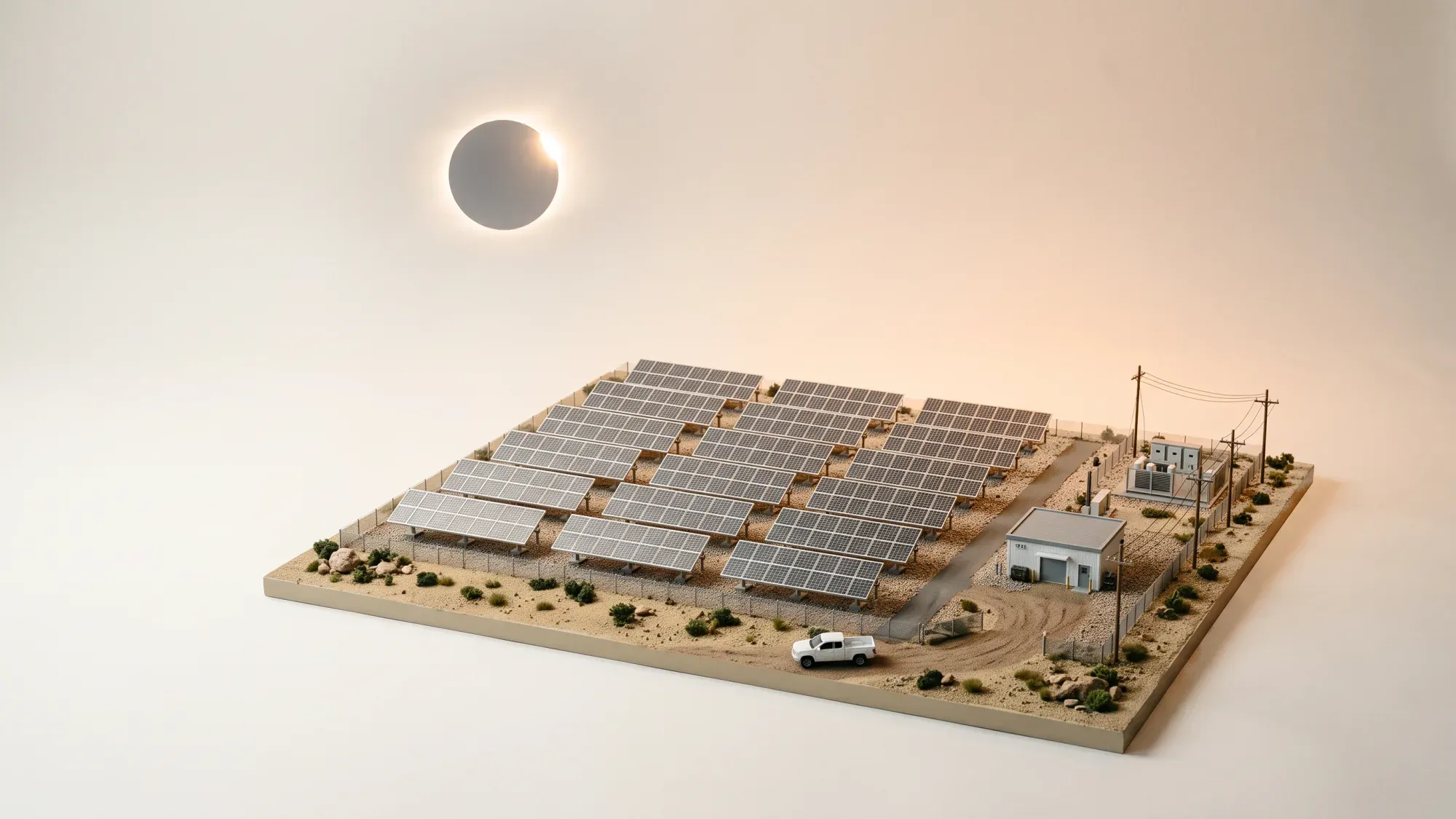
A solar eclipse can significantly reduce the UK's solar power generation, prompting energy suppliers like Octopus Energy to ask households to adjust their electricity use1. This temporary event highlights the growing role of solar power in Great Britain's energy mix and the ongoing efforts to maintain grid stability. Understanding how these celestial events affect our energy supply, and what actions, if any, you might need to take, is key to navigating such periods.
As energy events like solar eclipses highlight the need for grid stability, Fuse Energy is building a future where energy is abundant and easily managed. Discover how switching to Fuse can give you more control over your home's energy. Click here to get started.
The phenomenon of a solar eclipse
A solar eclipse occurs when the Moon passes between the Sun and Earth, temporarily blocking the Sun's light. For those within the path of totality or partial eclipse, daylight dims, and with it, the output from solar panels. This is a predictable, albeit infrequent, event that grid operators must account for.
How solar power contributes to the UK grid
The UK's solar capacity has grown substantially in recent years. Solar power now plays a notable role in generating electricity, contributing to the diverse mix of sources that power homes across Great Britain. While individual solar installations might seem small, their collective output is significant, especially on sunny days.
The role of National Grid ESO
National Grid ESO (Electricity System Operator) is responsible for balancing electricity supply and demand in Great Britain every second of every day. Their job is to ensure there is always enough power to meet demand, preventing blackouts and maintaining grid stability. Events like a solar eclipse present a unique challenge, as they can cause a sudden, predictable drop in a significant generation source.
Temporary reduction in solar generation
During a solar eclipse, the reduction in sunlight directly translates to a temporary loss of solar power generation. Octopus Energy noted that an eclipse could "knock out the last of Great Britain’s solar power generation for the day". This is not a long-term issue, but a short-term dip that requires careful management to avoid strain on the grid.
Balancing supply and demand
The core challenge for National Grid ESO during an eclipse is to quickly compensate for the lost solar generation. This involves bringing other power sources online or asking consumers to reduce their demand. Without careful management, a sudden drop in supply could lead to frequency imbalances, which can destabilise the grid.
Why energy suppliers respond
Energy suppliers often work with National Grid ESO to manage demand during periods of grid stress. By encouraging customers to reduce their electricity usage, suppliers can help smooth out demand peaks and mitigate the impact of supply shortfalls. This collective action helps maintain overall grid stability.
How does a solar eclipse affect the UK power grid?
A solar eclipse temporarily reduces the output from solar power installations across the UK. This creates a sudden, predictable drop in electricity supply that the National Grid ESO must balance by activating other power sources or by managing consumer demand to prevent grid instability.
What Octopus Energy asked households to do
Octopus Energy called on its millions of households across Great Britain to reduce their electricity usage during the solar eclipse. This request was part of a broader effort to manage demand and ensure the grid remained stable during the period of reduced solar input.
The concept of demand-side response
This type of request falls under demand-side response programmes. These initiatives encourage consumers to adjust their electricity usage in response to signals from the grid or their energy supplier. The goal is to shift demand away from peak times or periods of low supply, helping to balance the grid more efficiently.
Customer participation and incentives
Octopus Energy offered incentives, such as free electricity or cash rewards, for customers who participated by reducing their consumption during specified times. These programmes aim to make participation appealing, turning a grid management necessity into a potential benefit for households.
Diversifying energy sources
While demand reduction plays a role in managing temporary grid challenges, a long-term solution involves building a more resilient and diverse energy infrastructure. This means investing in a variety of generation sources, including wind, nuclear, and other renewables, to ensure that the grid is not overly reliant on any single technology.
Smart technology and energy management
Advanced smart technology is crucial for future energy management. Smart meters, home battery storage, and intelligent energy management systems can help households automatically optimise their energy use, storing power when it is abundant and using it efficiently when needed. This reduces the need for manual intervention and strengthens grid stability.
The future of energy abundance
The narrative around energy has often focused on scarcity - "use less" has been the prevailing message for decades. However, a different future is possible: one where energy is so abundant it stops being a constant concern. By investing in vast amounts of clean generation and smart home solutions, we can build a system where households have the 'power to play with', rather than being asked to constantly conserve. This approach aims to mitigate events like an eclipse without requiring consumer sacrifice, fostering a resilient energy system where energy is plentiful and readily available.
How households can stay informed
Households can stay informed about potential grid events by monitoring official energy alerts from National Grid ESO and their energy supplier. Many suppliers offer apps or communication channels that provide real-time updates and opportunities to participate in demand-side programmes.
The importance of a robust energy infrastructure
Ultimately, the ability to smoothly navigate events like a solar eclipse relies on a robust and modern energy infrastructure. Continued investment in diverse generation, advanced grid technology, and smart energy management systems will ensure that Great Britain's energy supply remains stable and reliable, even in the face of predictable, temporary challenges.
"The solar eclipse is expected to knock out the last of Great Britain’s solar power generation for the day."
— Octopus Energy
Take the stress out of managing your energy. With Fuse Energy, you get clear pricing, real-time usage data, 24/7 human customer support, and a modern energy experience designed around you. Signing up takes just a few minutes, so you can take control of your bills from day one. Click here to switch to Fuse Energy today and start saving.
Managing your energy bills should be clear and easy to understand. Fuse Energy focuses on straightforward pricing, so you can see exactly what you're paying without unnecessary complexity. If you have a smart meter, you can view detailed usage data through the app or website, helping you understand how you can lower your bills. If you don't have a smart meter, Fuse Energy can upgrade your non-smart meter, completely for free. This can make it easier to track spending and make informed decisions about your energy use. Our 24/7 human support team is always on hand with fast response times of under 5 minutes whenever you need help. Click here to switch to Fuse Energy today. Find out about our mission by clicking here.
References
- The Guardian. Octopus Energy urges millions of households to use less electricity during solar eclipse