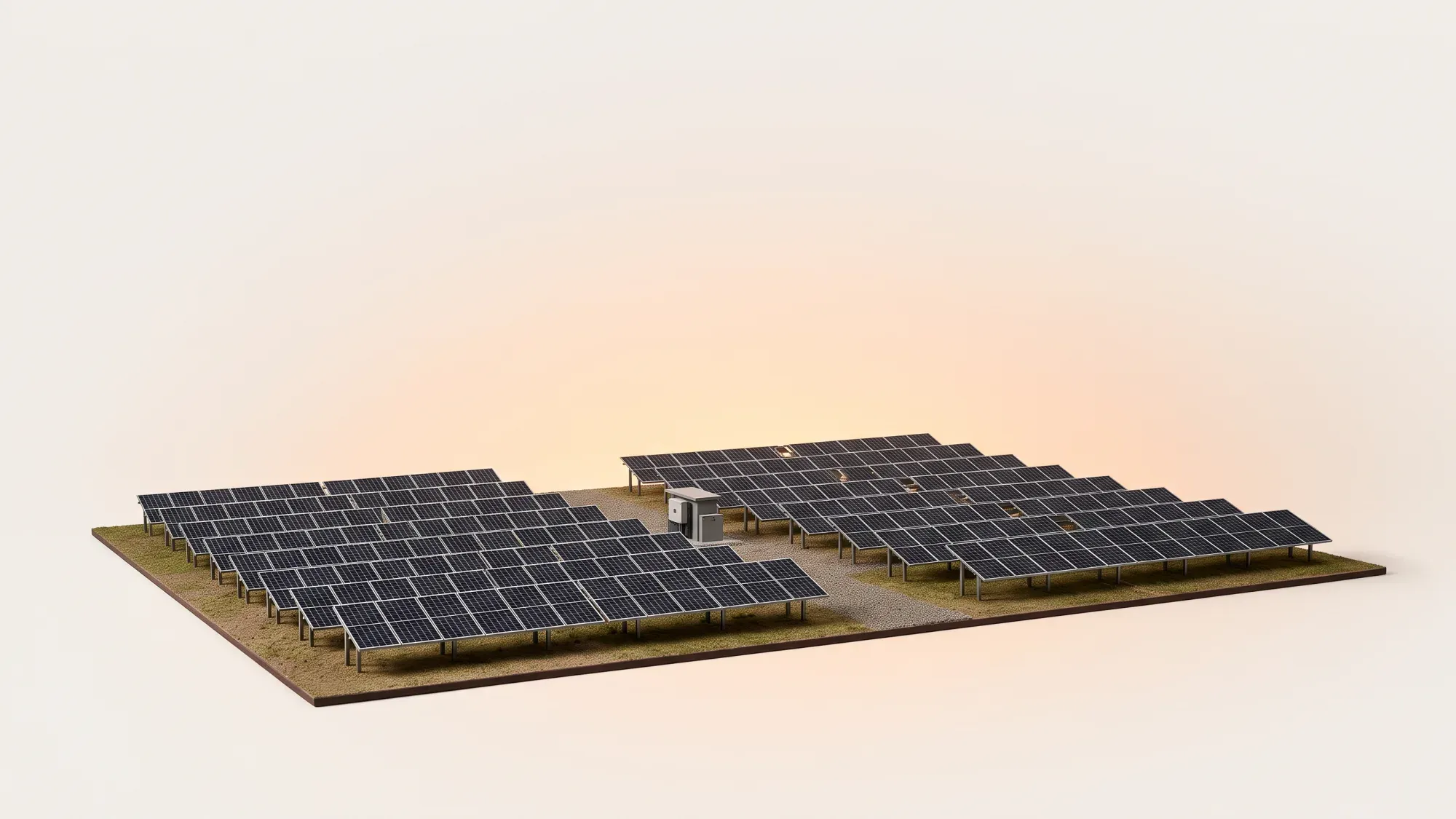
Energy Secretary approves 500MW Green Hill Solar farm
Energy Secretary Miatta Fahnbulleh has approved the 500MW Green Hill Solar Farm1, a significant renewable energy project located across Northamptonshire and Milton Keynes. This development is classified as a Nationally Significant Infrastructure Project (NSIP) due to its generating capacity exceeding 100MW, and it will also include a 500MW battery energy storage system (BESS).
This approval marks the third solar NSIP consented for Island Green Power (IGP), the developer behind the Green Hill Solar Farm. IGP's previous projects include the 600MW Cottam Solar Project and the 480MW West Burton Solar plant. The company also has additional projects, Lime Down Solar Farm and Light Valley Solar Farm, currently under examination, with expected completion before 2031.
Green Hill solar farm: project overview
The Green Hill Solar Farm is a substantial renewable energy development poised to significantly boost the UK's clean energy supply.
Location and scale of the development
The Green Hill Solar Farm is situated across parts of Northamptonshire and Milton Keynes. Once operational, it is projected to generate 500MW of renewable electricity.
Developer and key features, including battery storage
IGP is the developer behind the Green Hill Solar Farm. A crucial component of the project is its integrated 500MW battery energy storage system (BESS). This system is designed to enhance grid stability and optimise energy supply by storing excess power.
Large-scale energy projects in the UK often fall under a specific planning regime designed to streamline the approval process for developments of national importance.
What defines an NSIP?
An NSIP is a major infrastructure development that requires a Development Consent Order (DCO). The Green Hill Solar Farm, for example, is classified as an NSIP due to its generating capacity of over 100MW. This classification ensures that projects vital for national infrastructure, such as large power stations, airports, or major road schemes, are considered at a national level.
What is a DCO?
A DCO is a special type of planning permission required for NSIPs in England and Wales. It grants permission for the project and any associated works, replacing multiple consents that would otherwise be needed. The Planning Inspectorate examines the application, and the relevant Secretary of State makes the final decision.
The planning process for large-scale solar
The planning process for NSIPs involves a rigorous examination by the Planning Inspectorate, which includes extensive public consultation and engagement with stakeholders. Following this examination, the Planning Inspectorate makes a recommendation to the relevant Secretary of State, who then makes the final decision on whether to grant development consent. In the case of the Green Hill Solar Farm, Energy Secretary Miatta Fahnbulleh made the final approval.
The role of battery energy storage Systems (BESS)
Battery Energy Storage Systems (BESS) are increasingly integral to modern renewable energy projects, providing essential flexibility and reliability to the electricity grid.
Integrating BESS with solar farms
The Green Hill Solar Farm includes a substantial 500MW BESS. This integration allows the solar farm to store excess electricity generated during periods of high sunlight and release it when demand is high or solar generation is low. This helps to mitigate the intermittent nature of solar power, making the energy supply more consistent and reliable.
Benefits for grid stability and energy supply
BESS installations contribute significantly to grid stability by providing ancillary services such as frequency regulation and voltage support. They also optimise energy supply by allowing renewable energy to be dispatched more strategically, reducing reliance on fossil fuel-based generation during peak demand. This capability is crucial for the UK's transition to a more flexible and resilient energy system.
Broader context of UK solar development
The development of large-scale solar farms like Green Hill is a key component of the UK's strategy to meet its renewable energy targets and enhance national energy security.
Northamptonshire's contribution to renewable energy
The approval of the Green Hill Solar Farm highlights Northamptonshire's growing role in the UK's renewable energy landscape. Projects of this scale contribute significantly to the National Grid's capacity for clean electricity, helping to reduce carbon emissions and support the country's climate goals.
The UK's drive for utility-scale solar
The UK aims to substantially increase its solar capacity as part of its broader energy strategy to achieve net-zero emissions and reduce dependence on imported fossil fuels. Utility-scale solar projects, often coupled with battery storage, are central to this ambition, providing the large volumes of clean energy required for a modernised energy infrastructure.
Island Green power's portfolio and future outlook
IGP is a prominent developer in the utility-scale solar sector, with a growing portfolio of significant projects.
Previous consented projects
The Green Hill Solar Farm is IGP's third solar NSIP to receive consent. Their previous successes include the 600MW Cottam Solar Project and the 480MW West Burton Solar plant. These projects underscore IGP's experience in navigating the complex planning and development processes for large-scale renewable energy infrastructure.
Upcoming projects under examination
Beyond its consented projects, IGP has further developments in the pipeline. The Lime Down Solar Farm and Light Valley Solar Farm are currently undergoing examination by the Planning Inspectorate, with expected completion before 2031. These projects indicate a continued focus on expanding the UK's solar generation capacity.
For the avoidance of doubt, this article is provided for informational purposes only and is not intended to constitute legal or financial advice. The author and/or Fuse Energy shall not be responsible for any losses arising out of any reliance on the information contained herein.
Energy Secretary approves 500MW Green Hill Solar farm