The financial impact of net zero policies on UK households is a subject of intense debate, with reports offering vastly different figures. Understanding these costs, and the opportunities they present, is crucial for homeowners navigating the energy transition.
Understanding the financial implications of net zero policies is key to making informed decisions for your home. Fuse Energy is here to provide clear pricing and smart tools to help you manage your energy usage effectively. Click here to switch to Fuse Energy today.
The UK's commitment to achieving net zero emissions by 2050 involves significant national investment, but the scale and nature of these costs are viewed very differently by various organisations.
Conflicting estimates: Prosperity institute vs Climate Change Committee
A report from the right-leaning think tank, the Prosperity Institute, suggests that net zero policies could impose an additional annual cost of £1,400 on UK households by 20301. The institute estimates that decarbonising the electricity grid alone will cost taxpayers £40 billion by the end of the decade. This includes a projected rise in subsidies for wind, solar, and nuclear power from £11.8 billion to almost £15 billion by 2030, alongside an estimated £25 billion for grid upgrades to accommodate more renewables. The Prosperity Institute warns that the government's spending trajectory on net zero is "unsustainable" and risks causing "serious economic damage". They contend that "renewables that have driven a massive increase in the costs of running the electricity system".
In contrast, the Climate Change Committee (CCC), which advises the government, estimates the additional annual investment costs to meet net zero at approximately £4 billion a year. The CCC argues that the 2050 net zero target will ultimately be less expensive than a single major oil price shock.
Key cost drivers: grid upgrades and renewable subsidies
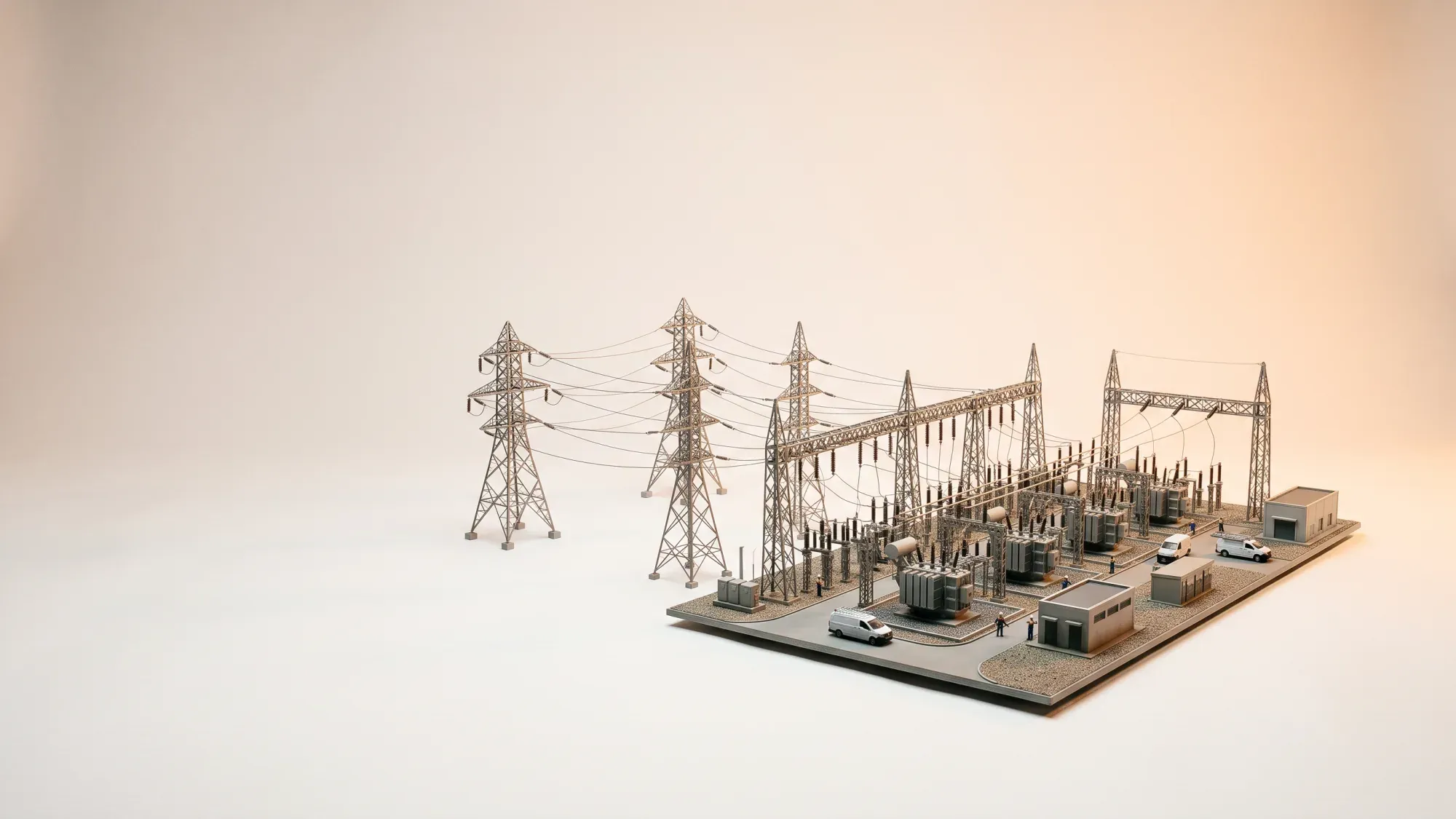
The costs highlighted by both reports largely stem from two main areas: upgrading the UK's electricity grid and subsidising renewable energy generation. The grid requires substantial investment to handle the increased influx of renewable power, which is often intermittent. This involves modernising infrastructure to ensure stability and efficient distribution.
Subsidies for renewable energy sources like wind and solar, along with nuclear power, are designed to encourage investment and accelerate the transition away from fossil fuels. Mechanisms such as the Renewable Obligation and Contracts for Difference (CfD) have been instrumental in this, though the phase-out of Feed-in Tariffs (FiT) impacts new small-scale installations. Ofgem, the energy regulator, plays a role in shaping the market framework for these upgrades and consumer protection.
While national figures can seem daunting, the direct financial implications for individual UK homeowners often translate into opportunities for investment and long-term savings.
Translating national costs to household impact
The national debate about net zero costs, whether it's the Prosperity Institute's £1,400 annual household burden or the CCC's £4 billion annual investment, can feel abstract. For homeowners, the impact is felt through energy bills, potential property upgrades, and the broader economic landscape. However, focusing solely on the upfront costs of net zero upgrades overlooks the significant long-term energy bill savings and potential returns.
The long-term value of home energy upgrades
Investing in home energy upgrades for net zero is not merely an expense; it is a strategic move that can enhance energy independence and increase property value. By reducing reliance on volatile energy markets, homeowners can gain greater control over their outgoings. The initial outlay for improvements like solar panels or battery storage can lead to substantial reductions in energy bills over time, effectively turning a perceived cost into a long-term financial benefit.
Taking control of your home's energy consumption and generation is a practical step towards navigating the net zero transition. Specific upgrades offer tangible benefits and returns.
Solar panels: generating your own power
Installing solar panels allows you to generate your own electricity, reducing your reliance on grid power and lowering your energy bills. Any surplus electricity can often be exported back to the grid, potentially earning you credits through schemes like the Smart Export Guarantee (SEG). While the upfront cost of solar installation is an investment, the long-term savings and increased energy independence make it an attractive option for many homeowners.
Battery storage: maximising self-consumption and resilience
Pairing solar panels with battery storage allows you to store excess electricity generated during the day and use it when the sun isn't shining, or when electricity prices are higher. This maximises your self-consumption of renewable energy and further reduces your dependence on the grid. Battery storage also provides a degree of energy resilience during power outages, offering peace of mind.
Smart meters: unlocking control and savings
Smart meters provide real-time data on your energy consumption, empowering you to understand and manage your usage more effectively. This visibility can help identify energy-wasting habits and inform decisions about when to use high-demand appliances to take advantage of cheaper off-peak tariffs. Smart meters are a foundational tool for optimising your home energy system and unlocking potential savings.
Fuse Energy empowers UK homeowners to navigate the net zero cost debate by reframing it as an opportunity for strategic investment in home energy upgrades, offering control and long-term savings.
Transparent tools and support for your energy journey
Fuse Energy provides digital tools and 24/7 human customer support to help homeowners understand, manage, and maximise the financial benefits of their net zero journey. Our offerings are designed to give you tangible control over your energy consumption and costs, making net zero a "power play" for your home.
Beyond the bill: environmental and property value benefits
Beyond the direct financial savings, investing in net zero home upgrades contributes to a more sustainable future by reducing your carbon footprint. These improvements can also significantly enhance your property's value, making your home more attractive to environmentally conscious buyers and potentially increasing its market appeal.
The debate surrounding the cost of net zero in the UK presents contrasting views, from significant household burdens to long-term economic benefits. For homeowners, the key lies in understanding how national policies translate into personal opportunities. By making strategic investments in home energy upgrades like solar panels, battery storage, and smart meters, you can transform perceived costs into tangible savings, greater energy independence, and increased property value. This approach allows you to take control of your energy future, turning the net zero transition into an empowering journey.
Managing your energy bills should be clear and easy to understand. Fuse Energy focuses on straightforward pricing, so you can see exactly what you're paying without unnecessary complexity. If you have a smart meter, you can view detailed usage data through the app or website, helping you understand how you can lower your bills. Our 24/7 human support team is always on hand with fast response times whenever you need help. Click here to switch to Fuse Energy today. Find out about our mission by clicking here.
References
- Birmingham Mail. Net zero 'will cost households an extra £1,400 a year by 2030' - Birmingham Live