Net zero: what it means for UK homes
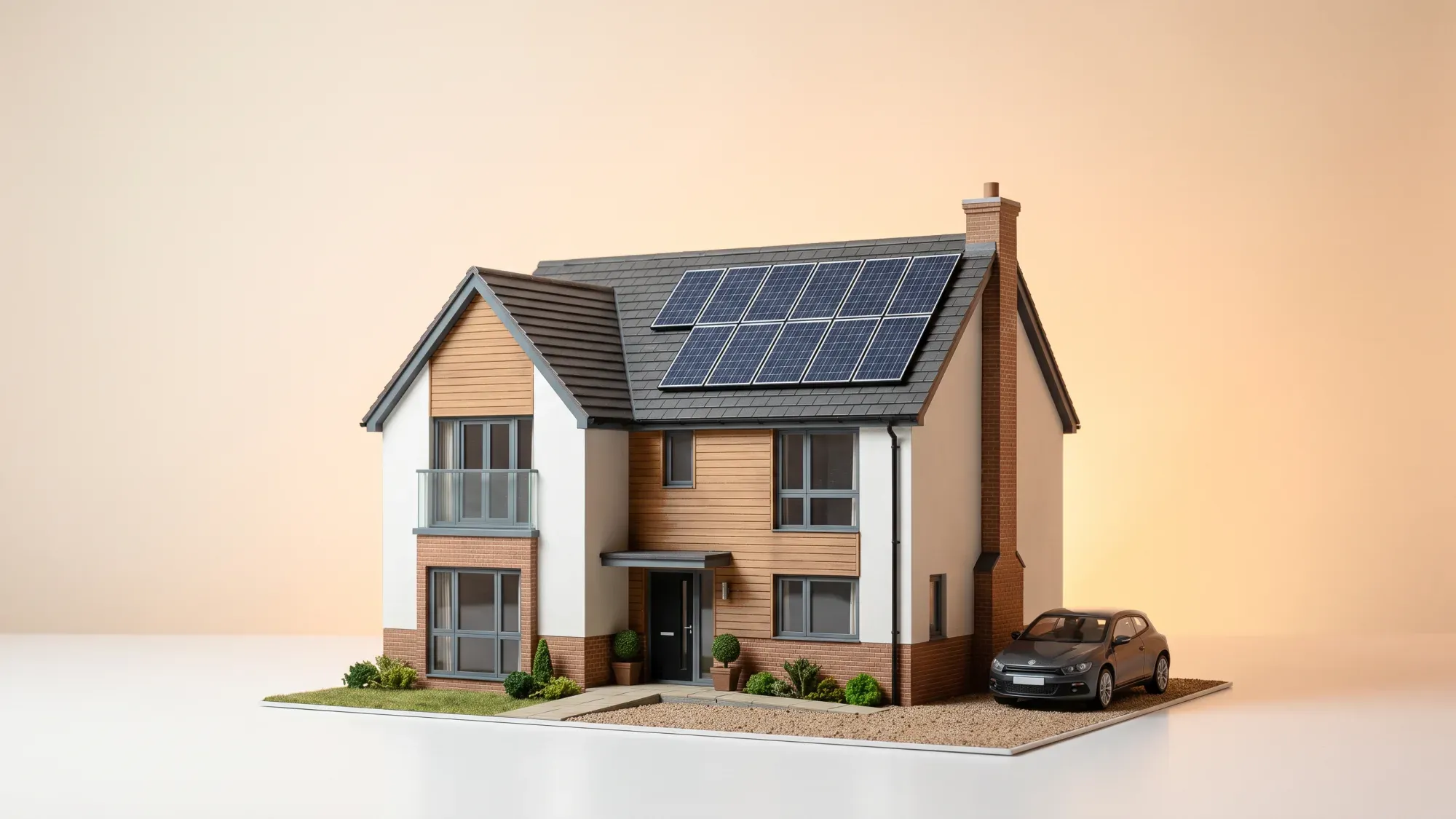
Achieving a net zero lifestyle at home is about gaining control over your energy, not sacrificing comfort. It's a strategic move that empowers UK homeowners to reduce their carbon footprint, manage energy costs, and contribute to a sustainable future, transforming climate action into a personal choice for control.
Thinking about Net zero? With Fuse Energy, you get clear pricing, real-time usage data, 24/7 human customer support, and a modern energy experience designed around you. Signing up takes just a few minutes, so you can take control of your bills from day one. Click here to switch to Fuse Energy today and start saving.
Enter your address to get a quote and see how much you could save
What is net zero and why is it important?
Defining net zero emissions
Net zero refers to the balance between the amount of greenhouse gas emissions produced and the amount removed from the atmosphere, aiming for no net gain of emissions.1 This balance is crucial because, for carbon dioxide at least, achieving net zero is the point at which global warming is expected to stop. It involves making deep cuts in emissions and offsetting any remaining, hard-to-eliminate emissions through methods like carbon capture or tree planting. This approach is vital for reducing carbon footprint through investments in renewable energy and improved energy efficiency.
What does net zero actually mean?
Net zero means balancing the greenhouse gases produced with those removed from the atmosphere, aiming for no overall increase. This requires significant emission reductions, with any unavoidable emissions being offset by removal activities. It's a critical target for stabilising global temperatures and mitigating climate change.
The UK's 2050 target and climate action
The UK has a legally binding commitment to achieve net zero greenhouse gas emissions by 2050. This target was enshrined in law in 2019 through the Climate Change Act 2008, making the UK the first major economy to set such a legally binding goal. To guide this journey, the government sets legally binding 'carbon budgets' every five years, acting as stepping stones towards the 2050 target. These budgets cap the maximum level of emissions the UK can produce over a given period. Ofgem, the energy regulator, plays a role in promoting energy efficiency and renewable energy adoption, and administers government schemes that support this transition. Ofgem's role also includes protecting consumers and shaping the energy system.
Understanding your household carbon footprint
Key sources of home emissions
Your household's carbon footprint is the total greenhouse gas emissions generated directly or indirectly by your daily activities. In the UK, energy consumption is a significant contributor to these emissions. Heating and hot water systems, often powered by natural gas, and electricity usage for appliances and lighting are primary sources. The average UK home uses around 2,500 kWh of electricity per year.
How to measure your impact
Understanding your energy usage is the first step towards reducing your carbon footprint. Smart meters can provide real-time data on your electricity and gas consumption, helping you identify energy-intensive habits and appliances. Many online tools and apps also allow you to estimate your carbon footprint based on your energy bills and lifestyle choices. By tracking your usage, you can pinpoint areas where you can make the most impactful changes.
Practical steps to a net zero home
Achieving a net zero home is a journey, not an overnight switch. It involves a series of practical steps that empower you to take control of your energy use and generation.
Boosting energy efficiency
Improving your home's energy efficiency is often the most cost-effective starting point. This means using energy smarter, not necessarily using less.
- Insulation: Upgrading loft, cavity wall, or solid wall insulation can significantly reduce heat loss, keeping your home warmer for longer and cutting heating demand.
- Efficient heating: Replacing older, inefficient boilers with modern, energy-efficient systems or low-carbon alternatives like heat pumps can drastically lower energy consumption. The Boiler Upgrade Scheme (BUS) offers grants to help with the cost of installing renewable heating systems.
- Draught-proofing: Simple measures like sealing gaps around windows and doors can prevent heat escape.
- LED lighting: Switching to LED bulbs uses significantly less electricity than traditional incandescent or halogen lights.
- Energy-efficient appliances: When replacing appliances, opt for models with high energy efficiency ratings.
Generating your own renewable energy
Producing your own clean energy can dramatically reduce your reliance on the grid and lower your carbon emissions.
- Solar panels: Installing solar photovoltaic (PV) panels can significantly reduce a household's reliance on grid electricity and lower carbon emissions by generating clean electricity from sunlight.
- Battery storage: Pairing solar panels with battery storage allows you to store excess electricity generated during the day and use it when the sun isn't shining, further increasing your energy independence.
Smart energy management and storage
Smart technology can optimise your energy consumption and generation.
- Smart meters: These provide detailed insights into your energy usage, helping you understand where and when you use the most power.
- Smart thermostats: These allow you to control your heating remotely and learn your habits to optimise temperature settings, avoiding wasted energy.
- EV charging: If you own an electric vehicle, smart charging solutions can ensure your car charges during off-peak hours or when your home solar generation is highest, reducing costs and carbon impact.
- Home energy management systems: These integrated systems can manage your solar generation, battery storage, and appliance usage to maximise self-consumption and minimise reliance on grid electricity.
The benefits of a net zero lifestyle
Embracing a net zero lifestyle offers compelling advantages beyond environmental impact.
Financial savings and energy independence
One of the most immediate benefits of a net zero home is the potential for significant financial savings. By reducing energy consumption and generating your own power, you can lower your energy bills considerably.
Managing your home's energy efficiently is key to achieving net zero. Fuse Energy provides clear pricing and detailed usage insights through our app, helping you understand and control your electricity and gas consumption. Our 24/7 human support team is always ready to assist you. Click here to switch to Fuse Energy today and take a step towards a more sustainable energy future. You can also learn more about our mission to make energy abundant by clicking here.
References
- Daily Express. Net Zero - Latest News, Pictures, Comment and Updates
Disclaimer
For the avoidance of doubt, this article is provided for informational purposes only and is not intended to constitute legal or financial advice. The author and/or Fuse Energy shall not be responsible for any losses arising out of any reliance on the information contained herein.