NESO misses key grid reports as Ofgem scrutiny deepens
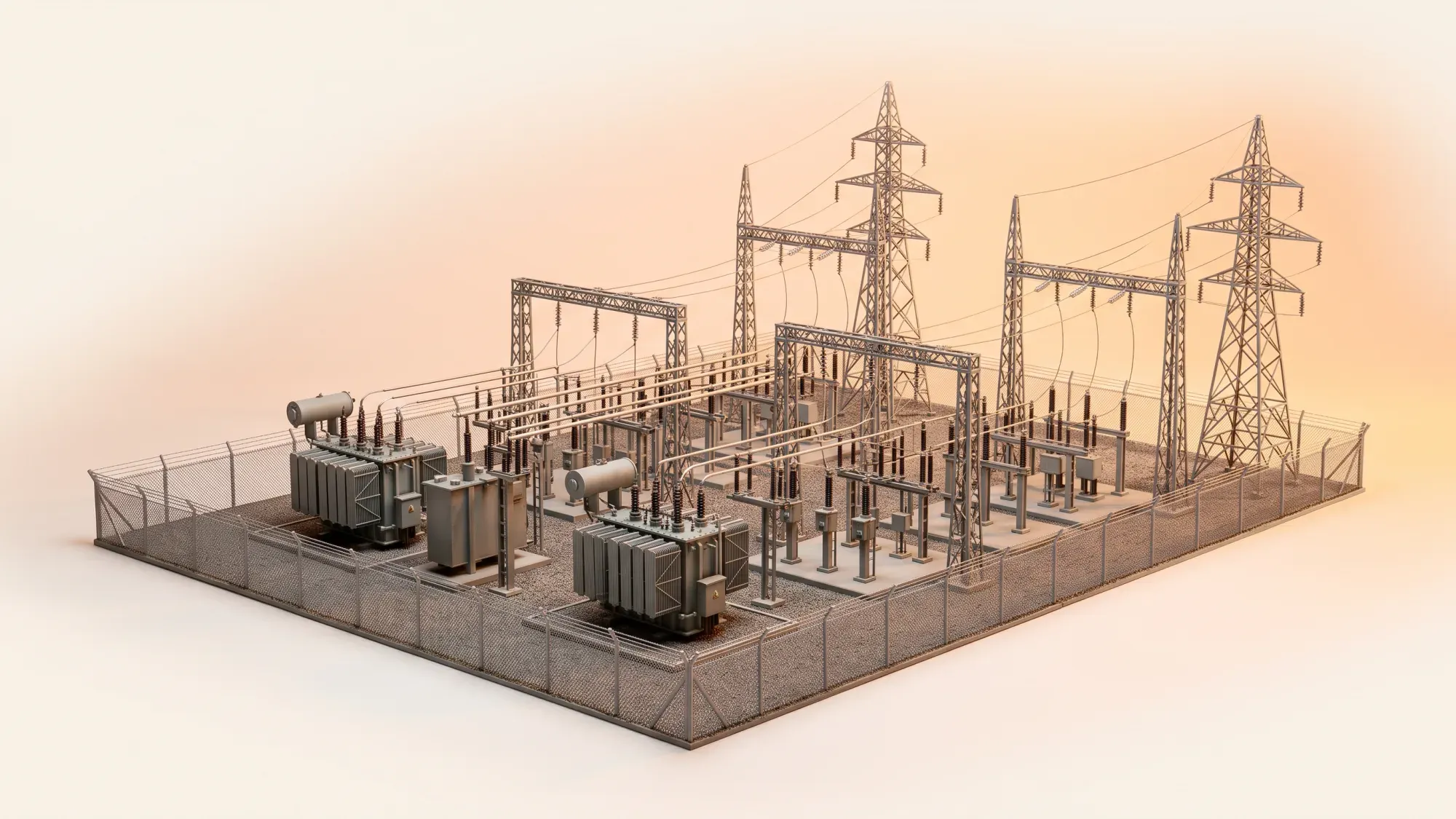
Britain's National Energy System Operator (NESO) is facing intense scrutiny after repeatedly missing deadlines for crucial grid security and planning reports. The energy regulator, Ofgem, has suspended some reporting requirements and launched investigations into NESO's operational performance1. These developments highlight significant challenges for the UK's energy infrastructure, particularly in managing extreme weather events and the transition to net zero.
Understanding the complexities of the UK's energy grid is vital for every household. At Fuse Energy, we believe in making energy simple and transparent, giving you the power to manage your home's usage effectively. Click here to switch to Fuse Energy today.
Enter your address to get a quote and see how much you could save
Unpacking the NESO grid risk report findings
Britain's NESO is under intense scrutiny for its handling of grid security and planning, with concerns mounting over missed deadlines and operational vulnerabilities. This comes at a critical time for the UK's energy infrastructure, which faces increasing demands from extreme weather and the push towards net zero.
Missed deadlines and critical omissions
NESO has repeatedly failed to meet deadlines for essential reports that inform power companies and investors about future grid conditions. Notably, Ofgem formally suspended the requirement for NESO to produce its 2026 annual Frequency Risk and Control Report (FRCR) in March, citing delays surrounding the 2025 report. The FRCR is crucial for understanding the risks of serious frequency events and how NESO plans to manage them, having been introduced after the August 2019 blackout that affected over a million customers.
Furthermore, NESO was excused from publishing a ten-year electricity supply statement this year, a document vital for identifying where new generation might connect to the network. Ofgem stated that new strategic planning documents would replace it, but some of these plans are not expected until late 2028, leaving limited time before the government's 2030 clean power target.
Operational vulnerabilities: the 23 June incident and outdated systems
The operational challenges at NESO were starkly highlighted by an incident on 23 June 2026, when grid frequency moved outside NESO’s normal operating range during extreme heat.
Whistleblowers have alleged the system came close to serious disruption and that senior staff interfered with operational decisions and records. NESO, however, denies the grid was insecure and says no customers lost supply.
Adding to these concerns, NESO is behind schedule on reforms to its backup communications system. Parts of the existing system reportedly still rely on fax technology, which is not expected to be fully phased out until January 2027.
Ofgem's scrutiny and regulatory implications
The seriousness of these issues has prompted a robust response from Ofgem, the energy regulator.
The scope of Ofgem's investigation into NESO
Ofgem is actively investigating NESO's handling of the 23 June heatwave incident and allegations regarding decision-making and record-keeping.
What is the purpose of Ofgem's investigation?
Ofgem's investigation aims to establish the circumstances surrounding the 23 June 2026 system event, review actions taken, and consider allegations about decision-making and record-keeping.
Ofgem is also overseeing a separate independent investigation into the specific whistleblowing allegations concerning operational decision-making and record-keeping at NESO. This dual approach underscores the regulator's commitment to transparency and impartiality in addressing these serious concerns.
Impact on energy market regulation and compliance
The regulatory scrutiny on NESO has significant implications for energy market regulation and compliance across the UK. The delays in critical reports, such as the ten-year electricity supply statement, leave power companies and investors with less clarity on future network conditions, potentially affecting investment decisions and strategic planning. The ongoing investigations could lead to revised regulatory requirements or stricter enforcement of existing standards, impacting how energy stakeholders operate and ensure their own compliance.
Grid stability in the net zero transition
The challenges facing NESO are not isolated incidents but symptoms of the broader complexities inherent in the UK's energy transition.
Balancing decarbonisation with power system reliability
The UK's ambition to achieve net-zero emissions by 2050, with a 2030 clean power target, necessitates a rapid shift from fossil fuels to variable renewable energy sources like wind and solar. This transition, while crucial for decarbonisation, introduces new challenges for maintaining grid stability. The system is moving away from predictable generation to a more complex model that requires new ways to ensure stability as traditional services provided by fossil fuel plants diminish.
The role of UK energy infrastructure in achieving 2030 targets
The reliability of the UK's energy infrastructure is paramount to achieving its 2030 clean power targets. NESO itself has warned that the transition will require profound changes in how the grid, electricity markets, and infrastructure are operated. The current issues, including outdated communication systems and operational concerns, highlight vulnerabilities that must be addressed to support the increasing integration of low-carbon technologies and the electrification of transport and heating.
Addressing UK power system challenges
Moving forward, proactive measures are essential to bolster the resilience and security of the UK's electricity system.
Enhancing critical infrastructure resilience
A fundamental step involves enhancing the resilience of critical infrastructure. This means moving beyond reactive measures to anticipate and mitigate risks posed by extreme weather events and increased demand. Investment in modernising the physical grid, including transmission and distribution networks, is vital to handle the dynamic nature of renewable generation and evolving consumption patterns.
Modernising grid management and communication protocols
The reliance on outdated technology, such as fax machines for critical backup communications, underscores an urgent need for modernisation. Upgrading communication protocols and control room technology is crucial for efficient grid management, especially as the system becomes more decentralised and complex. NESO's Energy Sector Digitalisation Plan aims to establish technology standards for control room communication by mid-2028.
A path towards a resilient UK electricity system
The current challenges facing the UK electricity grid, as highlighted by the NESO grid risk report and Ofgem's investigations, demand a forward-looking and integrated approach.
Strategic investment in future energy conditions
Achieving a resilient and secure electricity system requires strategic investment that anticipates future energy conditions, rather than merely patching existing vulnerabilities. This includes significant investment in new generation, storage solutions, and smart grid technologies that can adapt to a rapidly changing energy landscape. The focus must be on building an infrastructure capable of supporting abundant, clean energy.
Rebuilding for long-term security and abundance
The issues at hand suggest that incremental adjustments to the existing energy system may no longer suffice. Instead, a fundamental overhaul is needed to rebuild the energy system from scratch, ensuring it is inherently stable and resilient. This approach moves beyond a scarcity mindset, aiming for a future where energy is abundant and reliable, providing the "power to play with" that a modern economy requires. By embracing vertical integration and innovative engineering, the UK can develop a more robust and controllable system that mitigates risks and secures its energy future.
Managing your energy bills should be clear and easy to understand. Fuse Energy focuses on straightforward pricing, so you can see exactly what you're paying without unnecessary complexity. If you have a smart meter, you can view detailed usage data through the app or website, helping you understand how you can lower your bills. Our 24/7 human support team is always on hand with fast response times whenever you need help. Click here to switch to Fuse Energy today. Find out about our mission by clicking here.
References
- Energy Live News. NESO misses key grid-risk reports as scrutiny of Operator deepens
Disclaimer
For the avoidance of doubt, this article is provided for informational purposes only and is not intended to constitute legal or financial advice. The author and/or Fuse Energy shall not be responsible for any losses arising out of any reliance on the information contained herein.