National Grid warns of more frequent power cuts
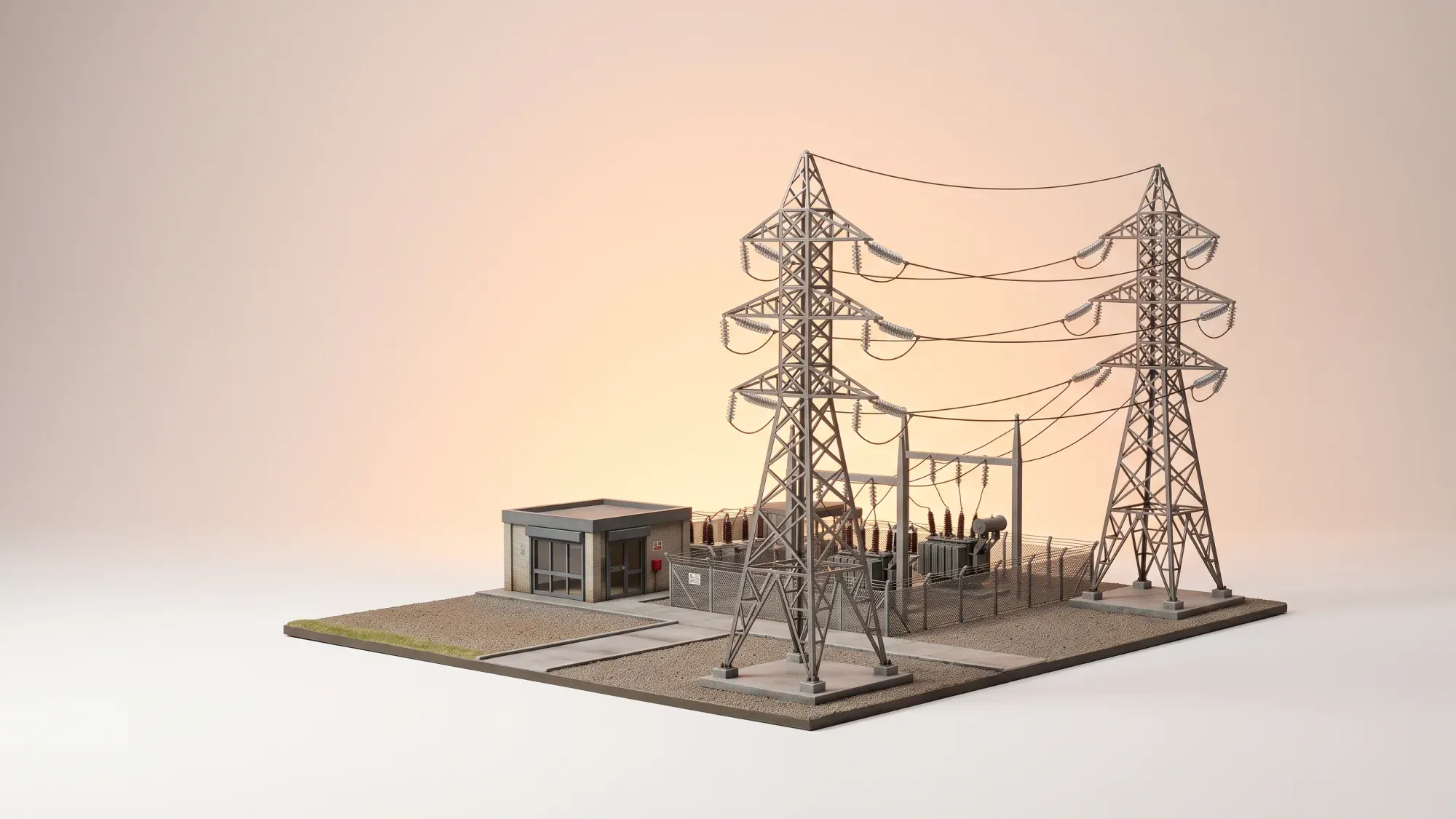
National Grid has issued a "prepare now" warning to UK households, anticipating more frequent power cuts due to the ongoing hot weather.1 Text messages are being sent out, informing recipients that "power cuts may be more common than usual" as high temperatures strain the electricity network. This proactive advice aims to help residents prepare for potential disruptions.
When the grid faces challenges, having clear information about your energy can make a real difference. Fuse Energy provides transparent pricing and real-time usage data to help you stay in control. Click here to switch to Fuse Energy today.
Enter your address to get a quote and see how much you could save
Understanding the National Grid power cut warning
The warning from National Grid comes as the UK experiences a period of extreme weather, placing demands on the nation's energy infrastructure. It is a call to action for households to understand the risks and take practical steps.
Why hot weather strains the UK energy network
High temperatures significantly strain electricity network equipment, forcing it to work harder than usual. As temperatures rise, demand for electricity also increases, with more homes and businesses switching on air conditioning and cooling systems, adding pressure to the grid. This combination of increased demand and equipment stress can lead to disruptions. Power lines and insulators expand in the heat, and overheating can reduce the efficiency and lifespan of critical components.
National Grid's website explains that "When temperatures rise, our equipment has to work harder, and so do our colleagues out on the network keeping your power running." The Met Office has reported record-breaking dry and warm conditions across England and Wales, exacerbating these issues.
"During heatwaves, we look after our teams so they can continue to look after you, taking sensible breaks and carrying out more demanding jobs during the cooler parts of the day, when tackling difficult tasks in personal protective equipment is more manageable. This helps us restore power as quickly as we can, while keeping our people safe." — Roisin Quinn, Field Operations Director
National Grid's role and responsibilities
It's important to understand the distinction between National Grid and local Distribution Network Operators (DNOs). While National Grid manages the high-voltage transmission network that transports electricity across Great Britain, local power cuts are typically handled by your DNO. These DNOs are responsible for maintaining the local electricity infrastructure, including power lines and substations, and for restoring power during outages. The 105 power cut helpline is a national service for reporting and getting information about power cuts, and it is managed by local Distribution Network Operators (DNOs).
Essential preparation for a power cut
Being prepared can significantly reduce the impact of a power cut on your household. Here's what UK adults concerned about widespread outages should consider.
Must-have items for your household
- Torches: Keep several battery-powered torches (and spare batteries) in easily accessible locations. Avoid relying solely on phone torches, as battery life can be crucial.
- Power banks: Ensure power banks for mobile phones and other essential devices are fully charged.
- Corded phone: If you rely on a landline, a corded phone will continue to work during a power cut, unlike cordless phones that require electricity.
- Battery-powered radio: For updates and news, especially if mobile networks are affected.
- First aid kit: Always a good idea to have one readily available.
- Bottled water and non-perishable food: Enough for at least 24 hours.
- Warm blankets and extra layers: Even in summer, temperatures can drop, and heating will be off.
Safety measures during an outage
- Switch off appliances: Turn off or unplug non-essential appliances to prevent damage from power surges when electricity is restored. Leave one light on so you know when power returns.
- Avoid candles: While traditional, candles pose a fire risk. Torches are a safer alternative.
- Check on vulnerable neighbours: If safe to do so, check on elderly or vulnerable neighbours who might need assistance.
- Keep fridge/freezer doors closed: This helps to keep food cold for longer. A full freezer can keep food frozen for up to 48 hours if the door remains closed.
Staying informed and getting help
Knowing who to contact and how to get information is crucial during a power cut.
Identifying your local distribution network operator (DNO)
While National Grid oversees the national transmission system, your local power supply is managed by your Distribution Network Operator (DNO). You can find out who your DNO is by visiting the Energy Networks Association website or by calling 105. You can also track power cuts in your area using online maps.
Using the 105 power cut helpline
The 105 power cut helpline is a national, free-to-call service for reporting and getting information about power cuts. It connects you directly to your local DNO, regardless of your energy supplier. This service is essential for reporting new outages, getting updates on existing ones, and receiving advice.
Who should I contact during a power cut?
You should contact your local DNO by calling the free 105 power cut helpline. This national service connects you directly to your DNO, who is responsible for managing local electricity infrastructure and restoring power during outages.
How Fuse Energy supports you during disruptions
In an unpredictable energy landscape, Fuse Energy empowers you to take control.
Real-time information with smart meters and the app
Fuse Energy's smart meters and app provide real-time data, helping you understand and manage your energy usage. This insight can be particularly valuable during periods of potential disruption, allowing you to monitor your consumption and make informed decisions. For those with older meters, Fuse offers a free smart meter upgrade to unlock these benefits, making it easier to track your energy use and potentially lower your bills. You can also learn more about understanding your energy bill to better prepare for any changes.
24/7 human customer support for peace of mind
Even during unexpected events, Fuse Energy ensures you're never alone. Our 24/7 human customer support provides a reliable point of contact, offering assistance and peace of mind when you need it most. This commitment to support is part of our mission to provide power to play with, ensuring you have the resources you need.
Managing your energy bills should be clear and easy to understand. Fuse Energy focuses on straightforward pricing, so you can see exactly what you're paying without unnecessary complexity. If you have a smart meter, you can view detailed usage data through the app or website, helping you understand how you can lower your bills. If you don't have a smart meter, Fuse Energy can upgrade your non-smart meter, completely for free. This can make it easier to track spending and make informed decisions about your energy use. Our 24/7 human support team is always on hand with fast response times whenever you need help. Click here to switch to Fuse Energy today. Find out about our mission by clicking here.
References
Disclaimer
For the avoidance of doubt, this article is provided for informational purposes only and is not intended to constitute legal or financial advice. The author and/or Fuse Energy shall not be responsible for any losses arising out of any reliance on the information contained herein.