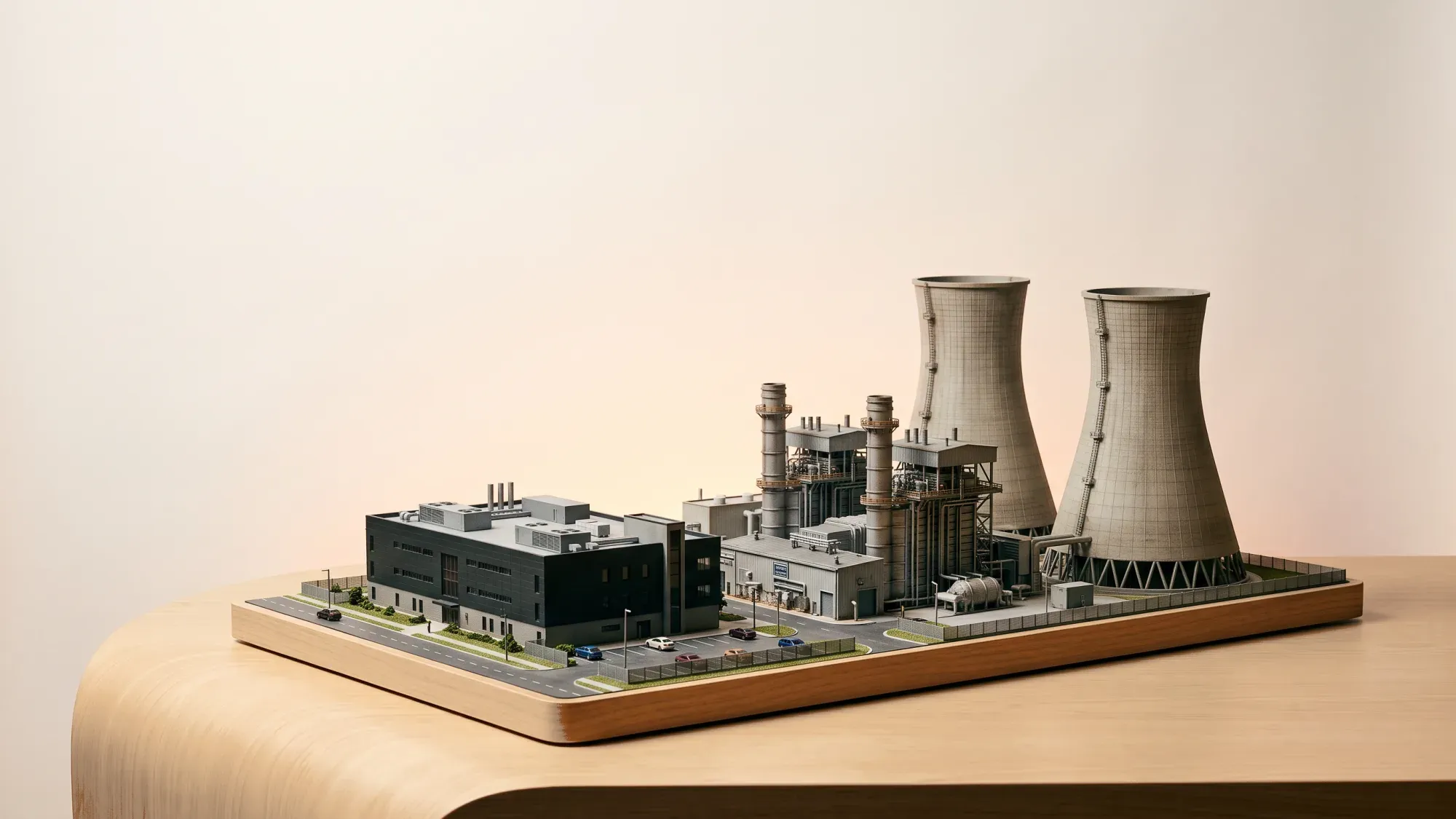
Meta, the parent company of Facebook, has withdrawn from the global renewable energy initiative RE100 after a decade of membership. This decision comes as the tech giant increases its reliance on natural gas to power its energy-intensive Artificial Intelligence (AI) data centres. Both Meta and RE100 have described the split as 'mutual'1.
The energy challenges faced by tech giants like Meta highlight the growing need for a robust and sustainable energy system. At Fuse Energy, we're building a future where abundant, clean power is available to every home, challenging the scarcity mindset that often leads to compromises. Click here to switch to Fuse Energy.
A decade of commitment to renewable energy
Meta joined RE100, a global corporate clean energy initiative, a decade ago. This initiative brings together companies committed to sourcing 100% of their electricity from renewable sources. Meta had previously committed to running its entire operations on renewable power by 2020. The company continues to make renewable electricity claims through environmental attribute certificates, which allow clean power generated in one region to offset electricity used elsewhere.
The role of RE100 and its evolving standards
RE100, led by the Climate Group, supports companies working towards 100% renewable electricity. Meta's exit comes as the company backs a major buildout of gas-fired generation to supply new data centres. The initiative has been tightening its reporting requirements for companies claiming progress towards renewable electricity targets.
The escalating demands of AI data centres
The massive power demands of AI data centres are forcing tech companies to reconsider their energy strategies. The rapid expansion of AI infrastructure requires significant and reliable electricity, pushing some firms towards natural gas. AI data centres need around-the-clock electricity, and natural gas plants can deliver constant baseload power, making them a choice for many new AI campuses.
Meta's investments in gas-fired power projects
Meta's departure from RE100 is directly linked to its substantial investments in natural gas infrastructure. The company has funded numerous gas-fired generation projects, including a 200MW facility in Ohio. Additionally, Meta is backing 10 plants linked to its Hyperion data centre in Louisiana, which could provide 7.5GW of generation. This 7.5GW capacity is more than the annual electricity use of South Dakota. These projects reflect a significant shift towards fossil fuels to meet the escalating energy demands of its AI data centres.
Reconciling '100% clean energy' with natural gas
Despite its reliance on natural gas, Meta stated it "remains committed to matching its data centre demand with 100% clean and renewable energy". This is primarily achieved through the purchase of environmental attribute certificates. However, gas-fired power still produces carbon emissions and air pollutants, despite being less carbon intensive than coal. This annual-matching approach allows companies to offset fossil fuel use with renewable credits rather than directly powering facilities with clean energy. This practice has drawn criticism.
The broader trend among tech giants
Meta is not alone in exploring natural gas to secure reliable electricity for its AI infrastructure. Other tech giants like Microsoft and Google are also exploring natural gas as they race to secure reliable electricity for AI infrastructure.
Why abundance, not compromise, is the future
The challenges faced by tech giants like Meta, Microsoft, and Google underscore a prevailing "scarcity mindset" in corporate energy strategy. This mindset often leads to compromises, such as turning to natural gas, when faced with surging energy demands from new technologies like AI. Instead of viewing energy as a finite resource that necessitates trade-offs between growth and sustainability, a vision of energy abundance posits that technological innovation can unlock vast, clean energy sources. This approach moves beyond the "use less" narrative, which has dominated energy discussions for decades, towards one where energy is plentiful and clean.
Leveraging innovation for sustainable energy growth
The current energy system, largely built for older power generation methods, struggles to meet the demands of modern, energy-intensive AI infrastructure. This highlights the need for a fundamental redesign of the energy system. By leveraging innovation, it is possible to develop and deploy clean energy solutions at scale that can meet growing demands without sacrificing environmental commitments. This includes advancements in renewable generation, energy storage, and grid management, ensuring that the future of technology is powered sustainably.
Redefining energy strategy for the AI era
The AI era demands a re-evaluation of energy strategy, moving away from reactive solutions towards proactive, sustainable development. This means investing in infrastructure that can support unprecedented energy loads with clean sources from the outset, rather than relying on transitional fuels. It requires a commitment to building a robust, resilient, and renewable energy system capable of evolving with technological advancements.
Fuse Energy's vision for abundant, clean power
At Fuse Energy, we believe in building a future with power to play with. Our mission is to deliver terawatt-hours of the cheapest, cleanest energy possible, fundamentally rebuilding the energy system from scratch. We challenge the scarcity mindset by demonstrating that technological innovation can enable energy abundance, eliminating the need for compromises on clean energy goals. While Fuse currently focuses on residential energy, the underlying principle remains: a fundamentally re-engineered energy system can meet massive new demands without sacrificing sustainability.
Understanding the complexities of the energy market, especially with new technologies like AI driving demand, can be challenging. Fuse Energy aims to simplify your home energy experience with clear pricing, real-time usage data, and 24/7 human customer support. We're committed to making energy abundant and accessible for everyone. Click here to switch to Fuse Energy today and join us in building a future with power to play with. You can also learn more about our mission here.