Low-carbon tech cuts energy bills by over 80%
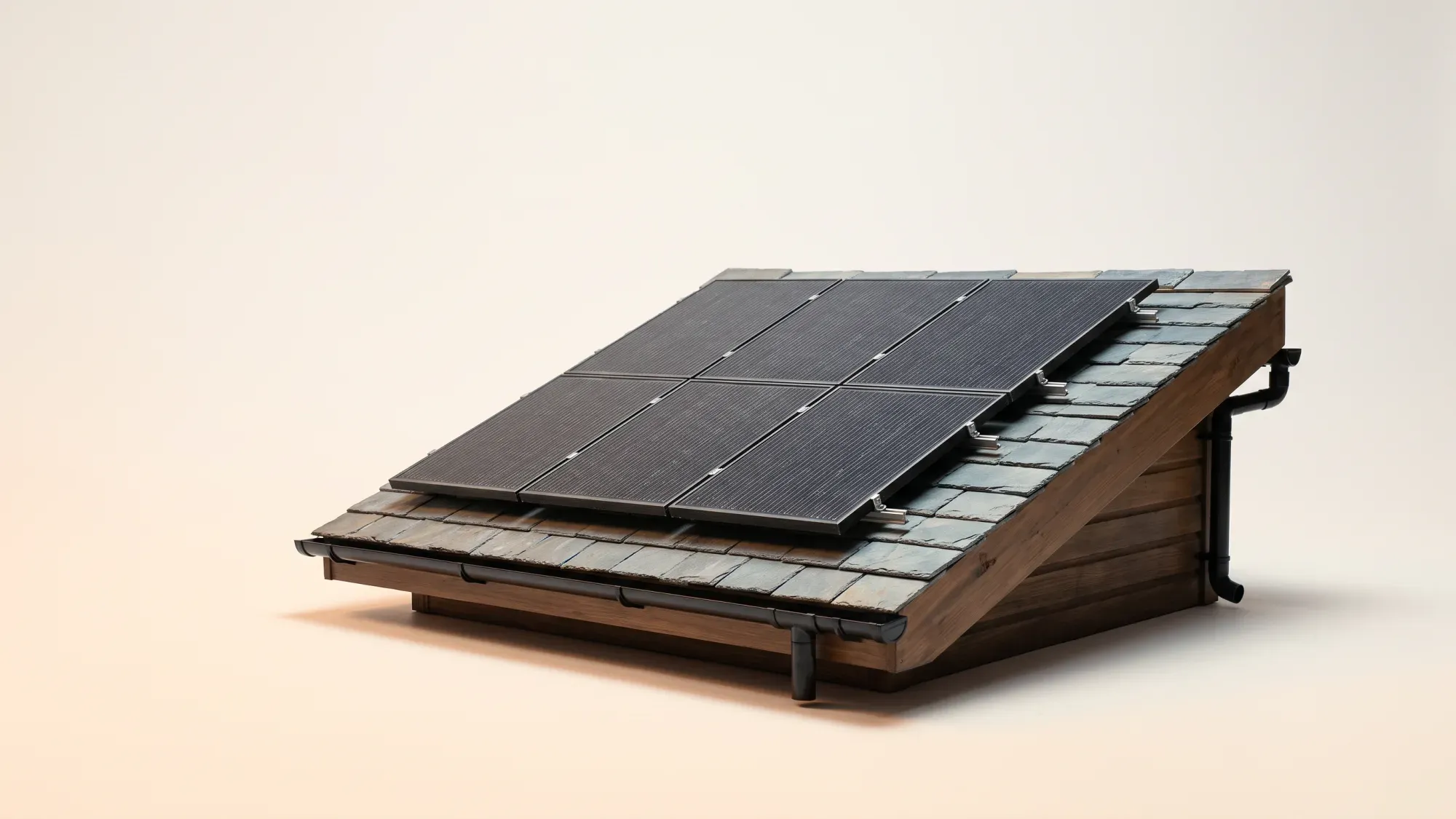
Combining low-carbon technologies with smart energy tariffs could significantly reduce UK household energy bills, with new research indicating potential savings of over 80% for homeowners1. This offers a clear path to lower costs and a more sustainable lifestyle.
Looking to cut your energy bills with low-carbon technology? Fuse Energy offers clear pricing, real-time usage data, and 24/7 human customer support, all part of a modern energy experience designed for you. Signing up is quick and easy, helping you take control of your bills from day one. Click here to switch to Fuse Energy today and start saving.
Enter your address to get a quote and see how much you could save
The promise of low-carbon technology for energy bills
Households are increasingly seeking ways to manage rising energy costs and reduce their carbon footprint. Low-carbon technologies, such as solar panels, heat pumps, and battery storage, offer a powerful solution, particularly when integrated with modern energy tariffs.
Understanding the potential for significant savings
The shift towards renewable energy sources and smarter energy management is not just about environmental responsibility; it presents a tangible opportunity for substantial financial savings. New research from National Energy Action (NEA) highlights this potential, finding that "Households could reduce their energy bills by more than 80% by combining low-carbon technologies with suitable time-of-use tariffs". This significant reduction is achievable when multiple technologies are used together with tariffs designed for flexible electricity use.
The role of low-carbon technology in energy bill reduction
Low-carbon technologies (LCTs) reduce energy bills by generating renewable electricity, improving home energy efficiency, and enabling smarter consumption. Solar panels produce electricity directly from sunlight, reducing reliance on grid power. Heat pumps offer an energy-efficient alternative to traditional boilers for heating and cooling. Battery storage allows homeowners to store excess energy, whether generated by solar panels or drawn from the grid during off-peak hours, for use when electricity prices are higher. When these technologies work in concert, they create a more self-sufficient and cost-effective home energy system.
Key low-carbon technologies for your home
Choosing the right low-carbon technologies for your home depends on various factors, including your property type, energy consumption, and budget. However, some technologies consistently stand out for their potential to reduce household energy bills.
Solar panels: consistent energy savings
Solar panels are a popular choice for homeowners looking to generate their own electricity. They offer consistent energy savings by reducing the amount of electricity purchased from the grid. The financial benefits of solar panels are generally reliable, making them a foundational investment for many seeking to lower their energy bills. Choose an MCS and TrustMark certified installer. They should handle planning approvals, DNO applications, paperwork, installation and final checks.
Battery storage: optimising self-consumption
Battery storage systems complement solar panels by storing excess solar energy generated during the day for use in the evening or at night. This increases self-consumption of renewable energy and reduces dependence on grid electricity during peak pricing periods. The financial attractiveness of battery storage, however, depends on installation costs and the household's specific energy demand.
Heat pumps: efficient heating and cooling
Heat pumps are an efficient, low-carbon alternative to gas boilers for heating your home and hot water. They work by extracting heat from the air, ground, or water and transferring it indoors. While the upfront cost can be higher than a traditional boiler, heat pumps can significantly reduce heating bills due to their high efficiency, especially when paired with appropriate tariffs. The Vaillant aroTHERM plus is a common UK heat pump choice.
Maximising savings with smart tariffs
Installing low-carbon technologies is a crucial first step, but pairing them with the right energy tariff is essential to unlock their full savings potential. Smart tariffs, particularly time-of-use tariffs, are designed to work hand-in-hand with LCTs.
How time-of-use tariffs work
Time-of-use (ToU) tariffs offer different electricity prices at different times of the day, typically with lower rates during off-peak hours (e.g., overnight) and higher rates during peak demand. These tariffs are enabled by smart meters, which record energy consumption in half-hourly intervals. Smart meter deployment is a key government initiative to enable flexible energy use and smart tariffs. The phase-out of the Radio Teleswitch Service (RTS) for legacy meters, which began on 30 June 2025, means these older meters must be replaced with smart meters to access modern tariffs.
Combining smart tariffs with low-carbon technology
When combined with low-carbon technologies, ToU tariffs allow homeowners to maximise savings. For example, a household with solar panels and battery storage can charge their battery during off-peak hours when electricity is cheapest, or with their own solar generation, and then use that stored energy during expensive peak times. This strategic energy management significantly reduces overall electricity costs.
The importance of tariff choice
"Researchers found tariff choice plays a major role in determining whether households save money" with low-carbon technologies. A poorly chosen tariff can negate some of the financial benefits of LCTs, while a well-matched tariff can amplify them. Impartial advice is needed to navigate increasingly complex technology and tariff choices, ensuring homeowners make informed decisions.
Government support and financial incentives
The UK government offers various schemes and grants to encourage the adoption of energy-efficient and low-carbon technologies, making these upgrades more accessible for homeowners.
Grants for energy efficiency upgrades
Several grants are available to help with the upfront costs of installing low-carbon technologies. For example, the BUS provides grants for installing heat pumps and biomass boilers in England and Wales. These grants can significantly reduce the initial investment, making it easier for homeowners to transition to more sustainable heating solutions.
The Smart Export Guarantee
For homeowners generating their own electricity, such as with solar panels, the Smart Export Guarantee (SEG) is a vital incentive. The SEG ensures that small-scale low-carbon generators are paid for the electricity they export to the grid. Fuse Energy pays customers 13p per kWh for electricity exported to the grid. This means you can earn money for any surplus energy your solar panels produce but your home doesn't consume, further enhancing the financial benefits of your investment.
Navigating financial support for low-carbon technology
Understanding and accessing available financial support can be complex. Continued support through grants and low-interest finance is called for to aid low-carbon technology adoption. Homeowners should research thoroughly or seek expert advice to ensure they are taking full advantage of all applicable schemes and incentives.
Achieving significant energy bill reductions
Achieving substantial energy bill reductions requires a strategic and integrated approach to home energy management.
A holistic approach to home energy solutions
The research from NEA clearly demonstrates that the biggest savings occur when multiple technologies like heat pumps, solar panels, and battery storage are used together with tariffs designed for flexible electricity use. This holistic approach, integrating generation, storage, and smart consumption, creates a powerful system that maximises efficiency and minimises costs. By combining these elements, homeowners can move towards a net-zero home, significantly reducing their carbon footprint and achieving greater energy independence.
Empowering homeowners with control and savings
The future of home energy is about more than just reducing bills; it's about empowering homeowners with control over their energy use. Smart meters, combined with intuitive apps, provide real-time data on consumption and generation, allowing for informed decisions. This transparency and control enable homeowners to actively participate in managing their energy, turning potential savings into a tangible reality.
Fuse Energy is committed to helping homeowners achieve significant energy bill reductions and gain greater control over their energy use. We offer easy home energy upgrades, alongside smart tariffs and 24/7 human customer support. Our goal is to empower you to make a strategic move that shifts the balance of power in your favour, moving towards a future with more energy, not less.
Discover how Fuse Energy can transform your home energy experience. Click here to switch to Fuse Energy today, or learn more about our mission to make energy abundant by clicking here.
References
Disclaimer
For the avoidance of doubt, this article is provided for informational purposes only and is not intended to constitute legal or financial advice. The author and/or Fuse Energy shall not be responsible for any losses arising out of any reliance on the information contained herein.