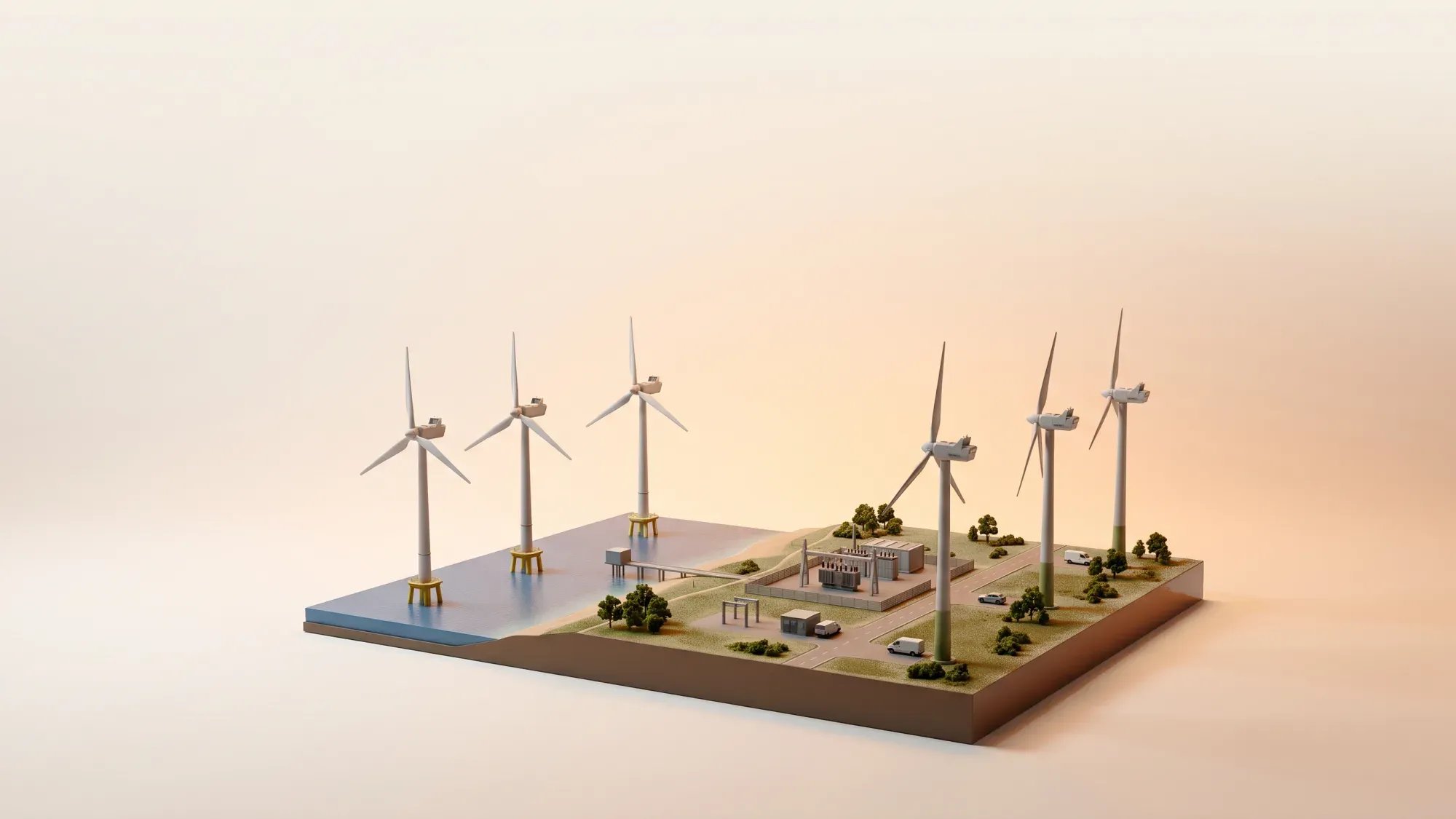
The Labour Party aims to lead on climate action, outlining ambitious plans to transform the UK into a 'clean energy superpower' by 2030. This strategy involves significant shifts in energy generation, job creation, and environmental protection. However, this vision faces internal scrutiny and external critiques regarding its robustness and implementation, with some Labour MPs expressing apprehension about the party's commitment to tackling the climate crisis.1
Understanding your home energy usage is key to navigating the evolving UK energy landscape. Fuse Energy provides clear pricing and tools to help manage your energy efficiently. Click here to switch to Fuse Energy today.
Labour's overarching climate vision centres on making Britain a global leader in clean energy, driven by a commitment to address the climate crisis, enhance energy security, and foster economic growth through green industries.
Overarching commitments and targets
The party has committed to achieving a net-zero electricity system by 2030, a more ambitious target than the UK's overall legally binding net-zero goal of 2050. This 2050 target is enshrined in the Climate Change Act 2008, which requires all greenhouse gas emissions to be brought to net zero compared to 1990 levels. Labour's plan includes transitioning to renewable energy sources, aiming for 100% clean power generation by 2030.
The 'clean energy superpower' ambition
This ambition extends beyond electricity generation to encompass a broader transformation of the UK economy. Labour's strategy includes creating 650,000 new high-quality jobs in green industries, improving home insulation to reduce fuel poverty, and ensuring energy independence. The party plans to establish Great British Energy, a publicly owned company, to invest in renewable energy projects and accelerate the transition to clean power.
Despite the party's stated ambitions, a notable undercurrent of concern exists within Labour regarding its preparedness and commitment to its climate action strategy.
Internal concerns over climate preparedness
Some Labour MPs believe the party is "not remotely prepared" for the challenges of tackling the climate crisis. This sentiment suggests a perceived lack of readiness to address the scale and urgency of environmental issues. One Labour MP suggested the party was attempting to balance its net-zero commitments with other political pressures. This internal division highlights anxieties about the party's future direction on climate change and the robustness of its action strategy.
Perceived softening of environmental policies
The apprehension among some Labour MPs also stems from a perceived softening of the party's environmental policies. This concern suggests that while the overarching targets remain, the practical steps or the political will to implement them might be wavering. This internal debate reflects the broader challenge of maintaining ambitious climate goals amidst economic pressures and shifting public opinion on net zero.
Labour's climate policy, with its ambitious targets and internal debates, carries significant implications for the UK energy sector.
Impact on renewable energy and infrastructure
The commitment to a net-zero electricity system by 2030 necessitates substantial investment in renewable energy generation, such as wind and solar, and the associated infrastructure. This includes upgrading the National Grid to handle increased intermittent renewable energy sources and ensuring efficient transmission and distribution. Achieving this target requires overcoming major barriers, including grid capacity limitations, stretched supply chains, and shortages of skilled workers.
Challenges for energy security and investment
The rapid transition proposed by Labour could pose challenges for energy security and attract the necessary investment. Ensuring a stable and reliable energy supply during a period of significant change requires careful planning and execution. The Institute for Government highlights that while setting ambitious targets is straightforward, achieving them in government is the real test, pointing to the need for faster planning systems and learning from historical large-scale project deliveries.
The shift in climate policy will inevitably affect UK consumers, both in terms of energy costs and access to clean energy.
Potential effects on energy costs and access
Labour's focus on a 'clean energy superpower' aims to cut bills and reduce fuel poverty through cheaper, domestically produced renewable energy. However, the transition costs, including infrastructure upgrades, could influence consumer energy prices. The average UK home uses around 2,500 kWh of electricity per year, making any changes to unit rates or standing charges significant for household budgets. The goal is to provide abundant, clean energy, but the path to achieving this without burdening consumers is a critical consideration.
Aligning policy with 'power to play with'
For consumers, the ideal outcome of climate policy is a future where energy is so abundant it becomes almost invisible, freeing them from constant worry about bills and usage. This aligns with the vision of 'power to play with', where individuals have greater control and access to clean energy. Evaluating Labour's policies through this lens means assessing whether they genuinely challenge the prevailing 'scarcity mindset' in the energy market or risk perpetuating it through their approach to climate action.
Achieving net-zero targets requires a delicate balance between ambition and practical implementation, underpinned by sustained political will.
Balancing ambition with practicality
Labour's ambitious 2030 target for a clean electricity system is a significant undertaking. Practical challenges, such as securing land for renewable projects, managing grid connections, and ensuring a skilled workforce, must be addressed effectively. The success of these policies hinges on the ability to translate broad objectives into tangible, deliverable projects that can scale rapidly.
The role of political will in climate action
The internal apprehension among Labour MPs underscores the importance of consistent political will. Without a unified and determined approach, even the most ambitious climate policies risk being undermined by implementation difficulties or shifting priorities.
Fuse Energy is committed to delivering abundant, clean energy for all. We believe in empowering you with greater control over your home's energy through clear pricing and dedicated support. Switching to Fuse is straightforward and designed to put you in charge. Click here to switch to Fuse Energy today. You can also learn more about our mission to build a future with power to play with here.