UK government expected to approve Jackdaw gas field this month
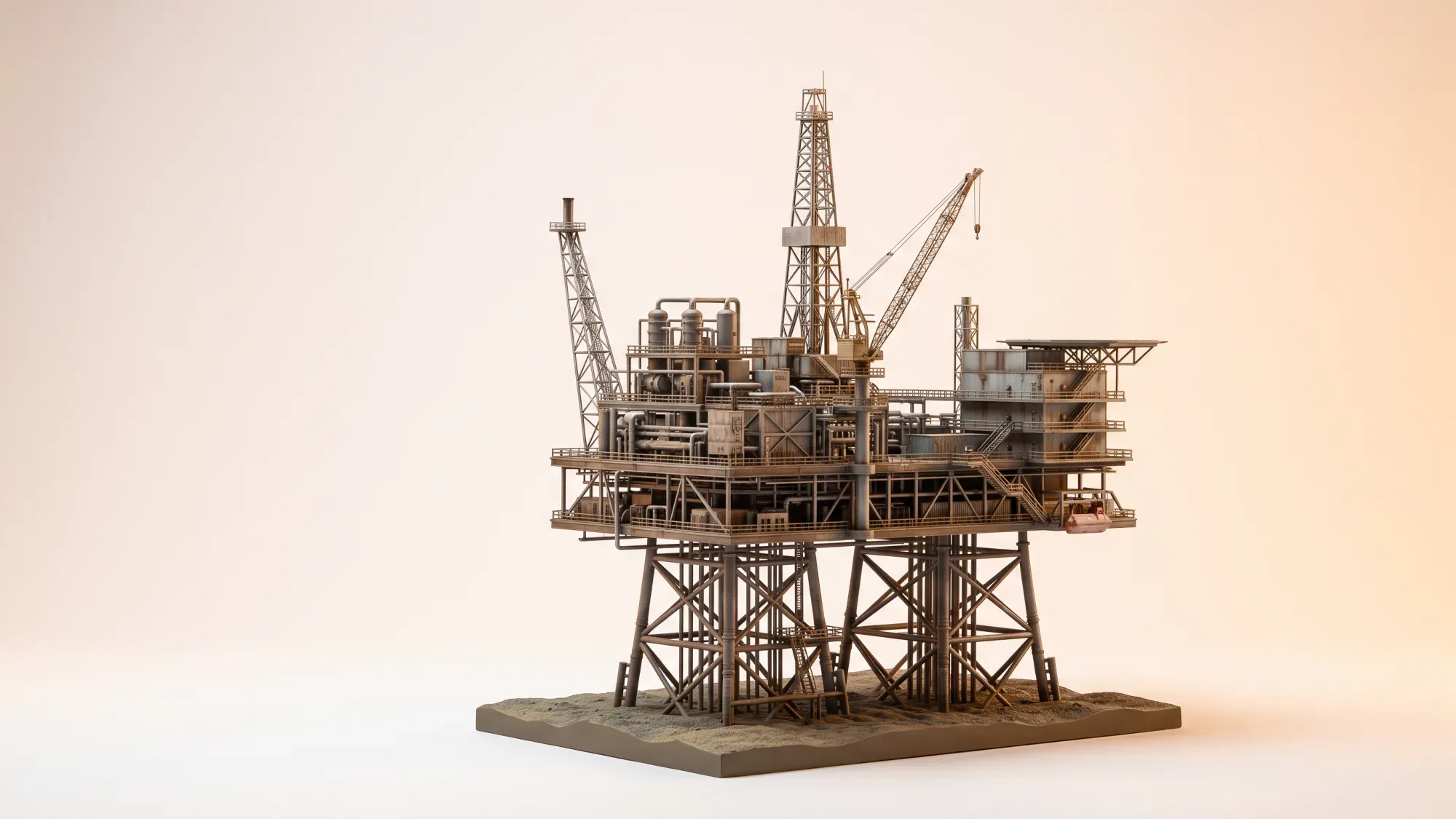
The UK government is widely expected to approve the Jackdaw gas field in the North Sea this month1, a decision that reignites the debate between immediate energy security needs and long-term climate commitments. This anticipated approval follows previous attempts to greenlight both Jackdaw and the Rosebank oil field, which faced significant challenges from environmental campaigners. The Department for Energy Security and Net Zero (DESNZ) has maintained its stance of not commenting on speculation regarding the approval. However, industry figures view the potential approval as a crucial vote of confidence for the North Sea energy sector.
Navigating the complexities of energy policy can be challenging, especially with ongoing developments like the Jackdaw gas field. At Fuse Energy, we believe in a future where energy is abundant and accessible, helping you manage your home's power needs with clarity and ease. Click here to switch to Fuse Energy today.
Enter your address to get a quote and see how much you could save
The Jackdaw gas field: project overview and current status
The Jackdaw project represents a significant development in the UK's energy landscape, poised to contribute to domestic gas supply amidst ongoing discussions about the nation's energy future.
Location, operator, and production potential
The Jackdaw gas field is located in the Central North Sea, off the coast of Aberdeen. Adura, a joint venture between Shell and Equinor, operates the project. Adura states that the Jackdaw field has the potential to deliver around 6.5% of the UK's gas output at its peak. When combined with the Rosebank project, Adura suggests these developments could provide around 10% of the UK's gas production.
The approval process so far
The Jackdaw project has undergone a rigorous regulatory review process, including environmental impact assessments. Previous attempts to approve both Jackdaw and the Rosebank oil field were challenged by environmental campaigners, leading to legal actions that required ministers to reconsider their environmental impact assessments. The DESNZ has consistently stated that it "does not comment on speculation" regarding the timing or certainty of the approval. Despite this, industry leaders, such as Russell Borthwick, chief executive of the Aberdeen and Grampian Chamber of Commerce, consider the expected approval a "hugely important vote of confidence in the North Sea".
Balancing act: energy security versus climate commitments
The potential approval of the Jackdaw gas field highlights the ongoing tension between the UK's immediate energy security needs and its long-term climate change commitments.
Arguments for domestic gas production
Proponents of the Jackdaw project argue that increasing domestic gas production is crucial for enhancing the UK's energy security and reducing reliance on energy imports. Producing gas within the UK can help stabilise supply and potentially mitigate the impact of volatile international energy markets. The North Sea Transition Deal, an agreement between industry and government, acknowledges that oil and gas will remain an important part of the UK's energy mix during the transition to net zero.
Why is domestic gas production considered important for energy security?
Domestic gas production helps the UK reduce its reliance on energy imports, which currently account for a significant portion of the country's gas supply. By producing gas locally, the UK can enhance its energy independence, stabilise supply, and potentially lessen exposure to global market fluctuations and geopolitical risks.
Environmental concerns and opposition
Environmental groups strongly oppose new fossil fuel developments like Jackdaw, citing the urgent need to address climate change. Caroline Rance, head of campaigns for Friends of the Earth Scotland, has warned that "New fossil fuels means deadly new climate disasters". Campaigners argue that such projects are incompatible with the UK's climate commitments and the global effort to limit warming. They also contend that new gas fields will not significantly lower energy bills for UK households, as the gas would be sold at international prices.
Economic and regional impact of Jackdaw
Beyond the energy security and environmental debate, the Jackdaw project carries significant economic and regional implications, particularly for areas like Aberdeen.
Contribution to UK economy and jobs
The development of projects like Jackdaw is expected to contribute substantially to the UK economy. Adura estimates that, combined with Rosebank, these projects could contribute over £28 billion in value to the economy and support more than 3,500 jobs during peak construction. The projects represent a total investment of £10.8 billion, unlocking £1.4 billion in tax revenues by the end of this Parliament, rising to £3.8 billion before the end of the next Parliament in 2034.
Impact on the North Sea industry
The approval of Jackdaw is seen by many in the industry as a vital signal of confidence in the future of the North Sea energy sector. Russell Borthwick of the Aberdeen and Grampian Chamber of Commerce stated that such approval would be a "hugely important vote of confidence". This confidence is crucial for attracting further investment, safeguarding existing jobs, and supporting the supply chain in a region historically dependent on offshore energy.
Regulatory landscape and government strategy
The decision on Jackdaw is set within a complex regulatory framework and reflects the UK government's broader energy strategy.
Role of the department for energy security and net zero
The DESNZ is the key government department responsible for decisions regarding UK energy projects and policy. DESNZ's role involves balancing the country's energy needs with its climate objectives. While the department refrains from commenting on speculation, a DESNZ spokesperson has affirmed that the North Sea remains a "vital national asset" and that oil and gas will continue to play an important role in the energy system for decades to come, alongside the transition to clean power.
Jackdaw in the context of UK energy policy
The UK government's energy strategy aims to balance energy security, affordability, and climate change commitments, including the legally binding net-zero target. All North Sea oil and gas projects are subject to environmental impact assessments and regulatory approvals to ensure compliance with UK and international standards. The government has indicated a more interventionist approach to managing the energy transition, actively scaling up clean energy industries while managing existing oil and gas fields for their lifespan. This approach suggests that projects like Jackdaw are viewed as a transitional element within a broader strategy towards a decarbonised future.
Jackdaw's role in the UK's energy transition
The Jackdaw gas field, while a traditional energy project, is framed by some as a necessary component in the UK's pragmatic transition towards a sustainable energy future.
Bridging the gap to net zero
The approval of Jackdaw can be seen as a pragmatic step to ensure energy stability during the transition to clean energy. By securing domestic gas supply, the UK aims to reduce its reliance on imports, providing a bridge while the infrastructure for truly abundant clean energy is built. This perspective aligns with the idea that existing resources may play a transitional role in maintaining stability, allowing focus and resources to be directed towards accelerating the shift to sustainable sources.
Towards a future of energy abundance
Ensuring a robust domestic energy supply, even from transitional sources, contributes to overall energy security. This approach helps move the UK from a scarcity mindset by securing current supply, thereby giving the nation more "power to play with" in its long-term energy strategy. It allows the UK to pursue its ambitious clean energy goals from a position of strength, rather than being constrained by immediate energy shortages or over-reliance on external markets.
At Fuse Energy, we are committed to building a future with power to play with, where energy is abundant and accessible. We offer transparent pricing and 24/7 human customer support to help you manage your energy needs effectively. Switching to Fuse Energy is quick and easy, allowing you to take control of your home's energy. Click here to switch to Fuse Energy today and be part of the energy transition. You can also learn more about our mission here.
References
- Nation.Cymru. Gas field in North Sea set to be approved, reports suggest.
Disclaimer
For the avoidance of doubt, this article is provided for informational purposes only and is not intended to constitute legal or financial advice. The author and/or Fuse Energy shall not be responsible for any losses arising out of any reliance on the information contained herein.