The energy cost of hospitality
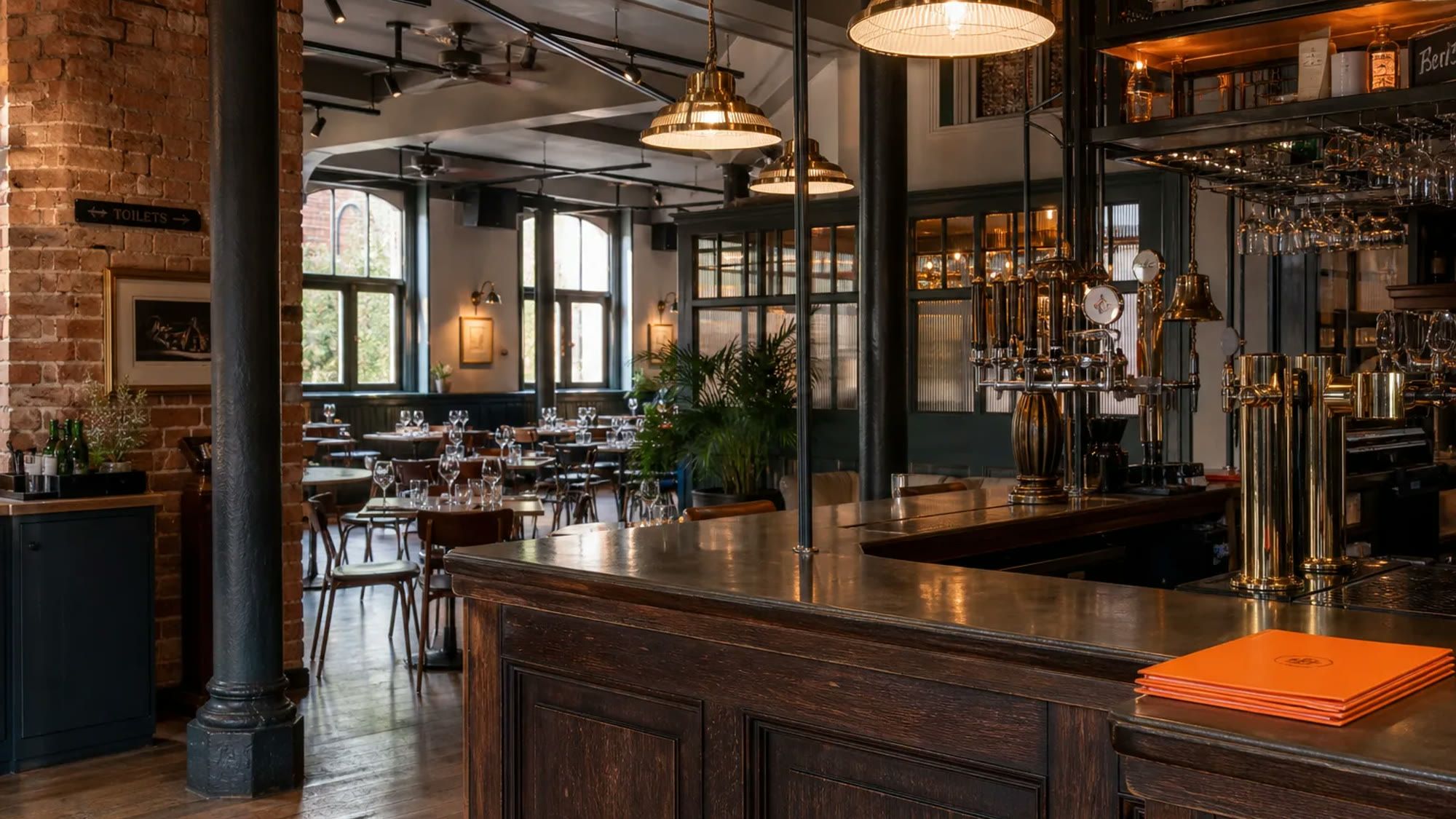
Many UK hospitality business owners are grappling with an uncomfortable truth: energy bills are spiralling, threatening already tight margins. If you are wondering why your business electricity is so expensive, you are not alone. The sector has faced a decade of unprecedented energy price increases, far outstripping other industries. Understanding the problem is the first step towards tackling it.
This guide cuts through the noise, offering practical, data-backed strategies to help you understand, manage, and significantly reduce your energy consumption and costs.
For your home energy, Fuse Energy offers transparent pricing, real-time usage data, and 24/7 human support. Click the button below to join our business energy waitlist today.
The UK hospitality energy crisis: a decade of rising bills
The UK hospitality sector, encompassing everything from bustling pubs to boutique hotels and independent cafes, is the lifeblood of many communities. Yet, it has been hit harder than most by escalating energy costs. This is not just a recent blip; it is a long-term trend that demands attention.
Understanding the impact on your business
For hospitality businesses, energy is not just an overhead; it is a fundamental operational cost. Rising energy prices directly erode profitability, making it harder to invest in growth, retain staff, or even keep doors open. Ignoring these costs until they severely impact your bottom line is a common pitfall. Proactive management is key to navigating this challenging landscape and ensuring your business remains viable and competitive.
Key statistics from the dojo inflation index
New data from Dojo's Inflation Index paints a stark picture of the energy price increases faced by UK hospitality businesses1. Over the past decade, the sector has experienced a "65% increase in energy prices", significantly outpacing the 48% average across all UK industries. This disparity highlights the unique pressures on hotels, restaurants, and bars.
The impact is even more pronounced across specific sub-sectors:
- Catering companies saw the highest rise at 73%.
- Hotels experienced a 64% increase.
- Pubs and bars faced a 57% hike in their energy bills.
These figures underscore the urgent need for effective energy management strategies within the industry.
Immediate steps to reduce your hospitality energy bill
While the broader energy market can seem daunting, there are immediate, low-cost measures hospitality businesses can implement to start reducing their energy consumption and bills.
Optimising lighting for energy efficiency
Lighting is often one of the largest energy drains in a hospitality setting. Les Roberts from Bionic's energy team highlights that lighting can account for up to 40% of electricity. This presents a significant opportunity for savings.
"Lighting can account for up to 40% of electricity" - Les Roberts, Bionic Energy Team
Swapping traditional bulbs for LED alternatives is a straightforward and highly effective first step. LEDs consume significantly less energy and have a much longer lifespan. For low-traffic areas such as storerooms, corridors, or restrooms, installing LED light sensors ensures lights are only on when needed, preventing unnecessary waste.
Improving water management
Water heating is another substantial energy consumer. Simple improvements in water management can lead to noticeable energy savings. This includes:
- Fixing leaks promptly: Even small drips can waste significant amounts of heated water over time.
- Insulating hot water tanks and pipes: Reducing heat loss means your system doesn't have to work as hard to maintain water temperature.
- Installing low-flow taps and showerheads: These reduce hot water demand without compromising guest experience.
- Optimising dishwasher and washing machine use: Only run these appliances when full and consider using eco-settings where available.
Engaging staff in energy awareness
Your staff are on the front lines of your business operations, and their behaviour can have a considerable impact on energy consumption. Research shows that "more than a third (35%) of small business employees waste more energy at work". Encouraging energy awareness among your team can unlock significant savings.
Implement a staff energy awareness programme that includes:
- Training: Educate employees on the importance of energy saving and specific actions they can take, such as turning off lights and equipment when not in use.
- Clear guidelines: Post reminders near light switches, thermostats, and appliances.
- Incentives: Consider rewarding teams or individuals for energy-saving initiatives.
- Empowerment: Encourage staff to report energy waste or suggest new efficiency measures.
Leveraging technology for long-term energy savings
Beyond immediate behavioural changes, investing in technology can provide deeper, more sustainable energy savings and better control over your consumption.
The power of smart meters for data-driven decisions
Smart meters are a crucial tool for any business serious about energy management. They provide accurate, real-time data on your energy consumption, moving beyond estimated bills and offering granular insights into where and when energy is being used. This data empowers you to:
- Identify energy-intensive periods: Pinpoint peak usage times and adjust operations accordingly.
- Monitor the effectiveness of efficiency measures: See the direct impact of changes you implement.
- Spot anomalies: Detect equipment malfunctions or unusual energy drains quickly.
For residential customers, Fuse Energy's app offers transparent, real-time usage data, putting control directly into their hands. This vision of app-driven transparency and control is something Fuse aims to extend to commercial customers in the future, providing the insights needed to manage energy effectively.
Upgrading to energy-efficient equipment
While often requiring a larger upfront investment, upgrading to energy-efficient equipment offers substantial long-term savings. Consider replacing older, inefficient appliances with modern, A-rated alternatives. This includes:
- Kitchen equipment: Energy-efficient ovens, refrigerators, freezers, and dishwashers.
- HVAC systems: Modern heating, ventilation, and air conditioning systems with smart controls.
- Building insulation: Improving insulation reduces the need for heating and cooling.
These upgrades not only reduce energy bills but can also enhance operational efficiency and comfort for both staff and customers.
Strategic energy procurement and management
Managing your energy goes beyond consumption; it also involves smart procurement. How you buy your energy can have as much impact on your bills as how much you use.
Avoiding costly out-of-contract rates
One of the most significant financial pitfalls for businesses is falling onto out-of-contract energy rates. These are typically much higher than negotiated contract rates and can severely inflate your bills. This often happens when a fixed-term contract expires, and the business fails to renew or switch to a new supplier.
To avoid this:
- Monitor contract end dates: Keep track of your energy contract expiry and start looking for new deals well in advance.
- Be proactive: Engage with suppliers or brokers to negotiate new terms before your current contract rolls over.
- Understand your terms: Be aware of notice periods and exit fees.
The role of commercial energy contracts
Commercial energy contracts differ from domestic ones and require careful consideration. Businesses can choose between fixed-term contracts, which offer price certainty, or variable contracts, which fluctuate with the market. The best choice depends on your business's risk appetite and market outlook. Working with an energy broker can help navigate the complexities of the commercial energy market, ensuring you secure the most favourable terms for your business.
Conducting an energy audit for your business
A professional energy audit provides a comprehensive analysis of your business's energy consumption. An auditor will identify areas of waste, recommend specific efficiency improvements, and estimate potential savings. This detailed assessment can be invaluable for developing a tailored energy management strategy and prioritising investments. It helps you understand where your energy is going and how to make the most impactful changes.
Building an abundant energy future for hospitality
The challenges of rising energy costs are real, but the future of energy doesn't have to be one of scarcity and constant conservation. Imagine a future where energy is so abundant, clean, and cheap that it ceases to be a major operational constraint for hospitality businesses. This is the vision Fuse Energy is working towards: rebuilding the energy system from the ground up to deliver very large volumes of cheap, clean kWh.
This shift means moving away from the narrative of "doing with less" to one where businesses can thrive, expand, and innovate without energy costs being a limiting factor. It's about enabling growth, not just mitigating decline.
Fuse Energy's vision for commercial customers
Fuse Energy's mission is to deliver the abundant, clean energy the future requires. While Fuse Energy currently serves residential customers only, our long-term vision includes extending our innovative, transparent, and control-focused approach to commercial entities. We believe that a rebuilt energy system, powered by cheap, clean energy, will ultimately solve the persistent energy cost challenges faced by sectors like hospitality.
We are building the infrastructure for the energy the future requires – the future you imagined. For hospitality businesses eager to be part of this transformation, we offer a waitlist for future commercial services. This is an opportunity to signal your interest in a future where energy abundance supports your business's growth and profitability.
Managing your home energy bills should be clear and easy to understand. Fuse Energy focuses on transparent pricing, so you can see exactly what you're paying without unnecessary complexity. Our app provides real-time usage data, helping you understand how you can lower your bills. Our 24/7 human support team is always on hand whenever you need help. Click the button below to join our business energy waitlist.
References
Disclaimer
For the avoidance of doubt, this article is provided for informational purposes only and is not intended to constitute legal or financial advice. The author and/or Fuse Energy shall not be responsible for any losses arising out of any reliance on the information contained herein.