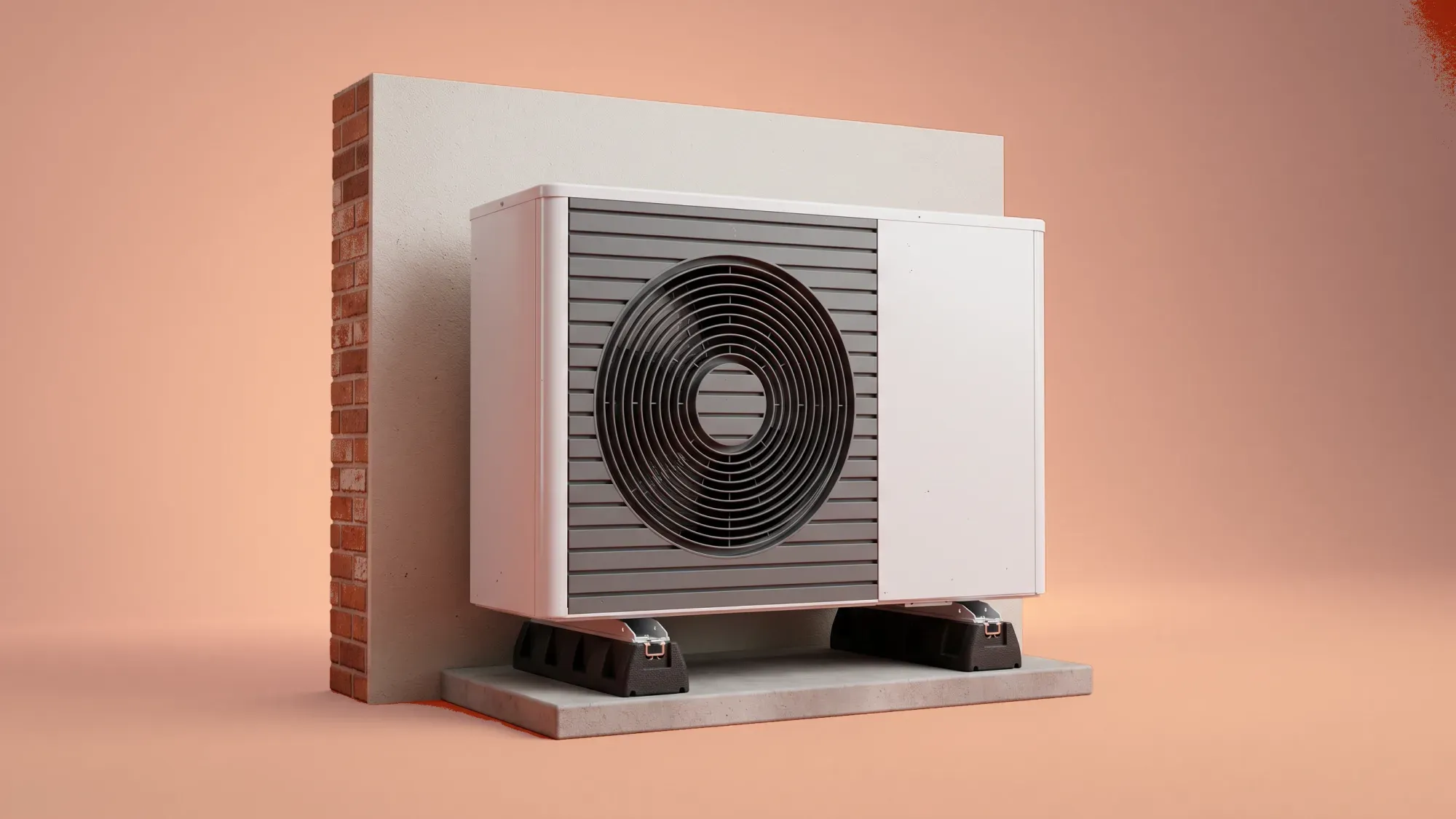
Installing a heat pump can significantly enhance a home's appeal to prospective buyers, though its impact on the direct sale price is nuanced. While these systems offer lower carbon emissions and the potential for reduced heating costs, the financial return on investment is complex. Homeowners considering a heat pump often weigh the upfront costs against long-term savings and increased property desirability in a shifting market.
The UK property market is increasingly valuing energy efficiency, making heat pumps a strategic consideration for homeowners. However, it is crucial to distinguish between a direct pound-for-pound increase in property value and broader market appeal.
Direct value versus market appeal
A heat pump installation may not directly add its full cost to your home's sale price. Paul Broadhead, head of mortgage and housing policy at the Building Societies Association, notes that "A heat pump won't necessarily add its installation cost to your home's value, but it can make the property more appealing and easier to sell"1. This is particularly true in a buyer's market, where properties with desirable features stand out. While energy improvements rarely deliver a pound-for-pound uplift, they can make a home more attractive and facilitate a quicker sale.
The growing importance of energy efficiency
The volatility in energy prices has fundamentally shifted buyer priorities. "What the volatility in energy prices has really focused people on is how much a property is going to cost to run," explains Paul Broadhead. This focus means that homes with lower running costs are becoming increasingly sought after. Energy Performance Certificate (EPC) ratings, a legal requirement when selling or renting a property in the UK, are also gaining importance, with higher ratings enhancing desirability.
Evaluating a heat pump as an investment requires a clear understanding of installation costs, available grants, and the potential for long-term savings.
Installation costs and government grants
Heat pump installation costs in the UK typically range from £8,000 to £15,000 for air source systems. Ground source heat pumps are generally more expensive, potentially costing between £15,000 and £50,000, due to the groundwork involved.
The government's BUS significantly offsets these upfront expenses, offering grants of £7,500 towards the installation of heat pumps in England and Wales. This grant can bring the cost of many air source heat pump installations from £0 to £7,500+ after the £7,500 BUS support. For eligible off-gas grid properties, the grant temporarily increases to £9,000 from 21 July 2026 until 31 March 2027.
Long-term savings and energy price volatility
Heat pumps are designed to be highly energy-efficient, converting ambient heat into usable warmth for your home. This efficiency can lead to reductions in heating bills, especially when replacing older, less efficient fossil fuel systems. The average UK home uses around 9,500 kWh of gas per year. By reducing reliance on volatile fossil fuel prices, a heat pump offers a hedge against future energy cost increases, providing greater financial predictability.
Short-term versus long-term financial viability
The financial return on a heat pump can depend heavily on how long you plan to stay in your property. Elliott Anderson-Evans, an RICS surveyor, advises that "If you're in your forever home, installing a heat pump makes sense. But if you're only expecting to be there for another three or four years, it might not stack up financially". It can take several years for the savings on energy bills to offset the initial investment, making longer-term ownership more financially viable.
Beyond immediate financial returns, a heat pump contributes to a home's overall market appeal and future-readiness.
Improving your Energy Performance Certificate (EPC) rating
EPC ratings are increasingly influential in the UK property market. An improved EPC rating, often a direct result of installing a heat pump and ensuring adequate insulation, makes a property more attractive. Many buyers are now actively seeking homes with higher energy efficiency, recognising the long-term benefits of lower running costs and a reduced environmental footprint. Some homeowners are updating their EPCs after making improvements, even without immediate plans to sell.
Attracting environmentally conscious buyers
There is a growing segment of buyers who prioritise sustainability and lower environmental impact. For these buyers, a home equipped with a heat pump represents a commitment to sustainable living and can be a significant differentiator in a competitive market. This aligns with a broader trend towards green homes and energy-efficient properties.
Future-proofing your home against regulations
As the UK moves towards its net-zero targets, future regulations are likely to favour low-carbon heating solutions. Installing a heat pump now can future-proof your home, potentially avoiding costly upgrades down the line and ensuring compliance with evolving energy standards. This strategic move positions your property favourably in a market increasingly shaped by environmental considerations.
To truly unlock the value of a heat pump, several critical factors must be addressed.
The crucial role of home insulation
A heat pump's efficiency is directly linked to the thermal performance of the home it heats. Proper insulation is not merely beneficial; it is fundamental for a heat pump to operate effectively and economically. Without adequate insulation, such as well-insulated walls, loft, and double-glazed windows, a heat pump will struggle to maintain comfortable temperatures, leading to higher running costs and diminished savings.
Choosing the right system and accredited installer
Selecting the appropriate heat pump system for your property's size and heating demands is vital. Engaging an accredited installer ensures that the system is correctly sized, installed, and commissioned to maximise efficiency and longevity. MCS-certified installers apply for the BUS grant on the homeowner's behalf.
Integrating with smart home energy solutions
Integrating a heat pump with smart home energy solutions can further optimise its performance and your energy usage. Smart controls allow for precise temperature management, scheduling, and even integration with variable electricity tariffs, enabling the system to run when energy is cheapest. This level of control empowers homeowners to manage their energy consumption effectively, maximising the benefits of their heat pump.
Deciding whether to install a heat pump is a significant investment that requires careful consideration of your personal circumstances and property goals.
Assessing your personal circumstances
Consider your expected tenure in the property, your budget, and your long-term energy priorities. If you plan to stay in your home for many years, the long-term savings and enhanced comfort can make a heat pump a sound investment. However, for shorter tenures, the financial payback might be less clear.
Expert advice on property valuation
While heat pumps offer clear benefits, experts caution against expecting a direct pound-for-pound increase in property value. Instead, focus on the enhanced marketability and desirability that an energy-efficient home brings. Consult with property professionals who understand the nuances of green home valuations in your local market.
Embracing a future of energy independence
Installing a heat pump is a strategic move that contributes to energy independence and future-proofs your home against rising energy costs. It is about shifting control into your hands, moving towards a future where energy is readily available and manageable. By investing in modern, efficient heating, you are not just upgrading your home; you are embracing a more sustainable and empowered way of living.
References
- The Independent. Heat pumps: Do they add value to your home?