Heat pump and EV energy security explained
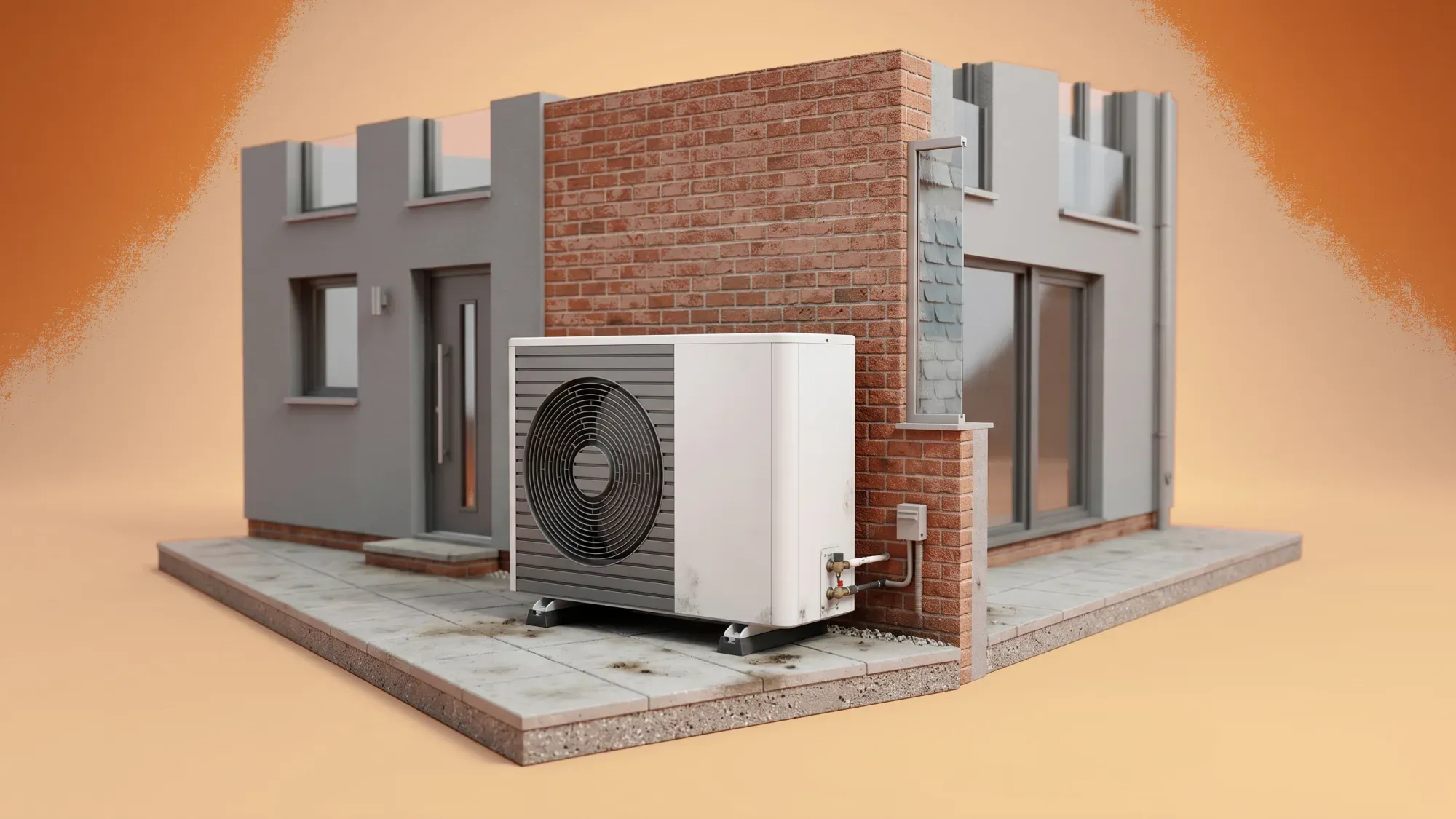
Many UK homeowners are looking for ways to genuinely enhance their home's energy security and reduce costs amidst fluctuating energy prices and climate concerns. The answer lies in integrating clean technologies like heat pumps and electric vehicles (EVs). This isn't just about saving money; it's about building a future where energy is abundant, clean, and seamlessly managed, freeing you from the constant worry of rising bills and fossil fuel market volatility.
Understanding heat pumps and EVs for UK energy security
The journey towards a more secure and sustainable home energy system begins with understanding the current landscape and how clean technologies fit in.
The current energy landscape
The UK's energy market has faced significant challenges, with global events highlighting the volatility of fossil fuel prices. This has led many to seek greater energy independence at a household level. The UK government has also set a legally binding target to achieve net-zero emissions by 2050, driving policy towards widespread clean energy adoption. This commitment means a sustained push towards decarbonising homes and transport.
Public perception: clean tech as a shield
There's a growing public consensus that clean technologies are crucial for energy security. A recent Verian poll revealed that "Almost half of Brits believe clean technologies such as heat pumps and electric vehicles (EVs) will shield them from a long-term energy shock"1. The survey also found that those who have already adopted these technologies feel more secure. "Brits who have already switched to a heat pump or EV believe it is shielding them from oil and gas crisis, Verian polling finds". This indicates a clear shift in consumer confidence towards these solutions as a pathway to greater stability.
"Almost half of Brits believe clean technologies such as heat pumps and electric vehicles (EVs) will shield them from a long-term energy shock." — Verian polling, as reported by BusinessGreen News
How heat pumps enhance home energy resilience
Heat pumps are a cornerstone of home energy resilience. Unlike traditional boilers that burn fossil fuels, heat pumps transfer heat from the air or ground into your home, using electricity to do so. This makes them highly efficient, with some models achieving efficiencies of 300% or more. By reducing reliance on gas for heating, heat pumps directly lessen your exposure to volatile international gas markets. They also contribute to a significant reduction in carbon emissions, aligning with the UK's decarbonisation goals. You can learn more about how these systems work in our guide to what is a heat pump.
The integrated benefits of heat pumps and EVs
When heat pumps and EVs are considered together, their benefits amplify, creating a more robust and sustainable home energy ecosystem.
Reducing reliance on fossil fuels
The most immediate benefit of integrating heat pumps and EVs is a dramatic reduction in your household's dependence on fossil fuels. Your home heating shifts from gas to electricity, and your transport fuel shifts from petrol or diesel to electricity. This transition is a powerful step towards energy independence, shielding you from price shocks in oil and gas markets. As the UK grid continues to decarbonise, the electricity powering your heat pump and EV becomes increasingly clean, further enhancing environmental benefits.
Cost savings and long-term value
While the upfront cost of installing heat pumps and purchasing EVs can be significant, the long-term operational savings are compelling. Heat pumps are more efficient than gas boilers, leading to lower heating bills. Similarly, charging an EV with electricity is typically cheaper per mile than buying petrol or diesel. Furthermore, smart energy management can optimise when your heat pump runs or your EV charges, taking advantage of cheaper off-peak electricity rates. These savings, coupled with government incentives, make these technologies a sound financial investment over their lifespan.
Environmental impact and decarbonisation goals
Adopting heat pumps and EVs plays a crucial role in the UK's ambition to reach net-zero emissions by 2050. Heat pumps significantly reduce carbon emissions from home heating, and EVs eliminate tailpipe emissions from personal transport. This individual action collectively contributes to a cleaner environment and helps the UK meet its national climate targets. It's a tangible way for homeowners to participate in the energy transition and build a more sustainable future.
Smart integration and the future of home energy
The true power of heat pumps and EVs is unlocked through smart integration, transforming them from standalone appliances into components of a dynamic home energy system.
Optimising energy flow with smart technology
Smart home energy management systems allow you to monitor and control your energy usage with unprecedented transparency. These systems can learn your habits and optimise when your heat pump operates or your EV charges, ensuring comfort while minimising costs. For instance, a smart system can pre-heat your home during off-peak hours or charge your EV when electricity is cheapest, reducing strain on the grid and your wallet. This digital-first approach provides homeowners with unparalleled control and transparency over their integrated heat pump and EV energy usage. A smart meter installation is often the first step towards this.
Vehicle-to-grid (v2g) capabilities
Vehicle-to-Grid (V2G) technology is an exciting development that allows your electric vehicle to not only draw power from the grid but also send it back. This transforms your EV into a mobile energy storage unit, capable of supporting your home during peak demand or even selling electricity back to the grid when prices are high. While V2G is still transitioning from trials to commercial availability in the UK, it holds immense potential for enhancing home energy security and providing financial benefits to EV owners. This transition is being fast-tracked by initiatives like those from UK Power Networks.
What is Vehicle-to-Grid (V2G) technology?
V2G technology allows electric vehicles to send stored energy back to the power grid through bidirectional charging. This means your EV battery can act as a distributed energy storage unit, helping to balance electricity demand, integrate renewable energy, and potentially generate income for vehicle owners by discharging power when needed.
Contributing to a stable National Grid
The smart integration of heat pumps and EVs, especially with V2G capabilities, contributes significantly to a more resilient and stable UK energy grid. By allowing these technologies to respond flexibly to grid signals, they can help balance supply and demand, particularly as more intermittent renewable energy sources come online. This collective flexibility reduces the need for fossil fuel power plants to kick in during peak times, supporting the broader goal of rebuilding the energy system.
Navigating adoption: support and incentives
Embracing clean technologies is becoming increasingly accessible, with various support mechanisms in place to help homeowners make the switch.
Government schemes for heat pumps and EVs
The UK government offers several grants and incentives to encourage the adoption of heat pumps and EVs. The Boiler Upgrade Scheme (BUS), for example, provides upfront grants to help reduce the cost of installing heat pumps in homes in England and Wales. For electric vehicles, grants are available for chargepoint installations, such as the EV Chargepoint Grant for renters and flat owners, and for households with on-street parking, which can provide up to £500 towards the cost of installation.
Choosing the right technologies for your home
Selecting the right heat pump and EV models depends on your household's specific needs and budget. For heat pumps, factors like your home's insulation, size, and existing heating system will influence the best choice. For EVs, consider your typical journeys, charging access, and vehicle requirements. Researching suitable models and understanding their efficiency ratings is key to making an informed decision.
Finding reliable installation and support
Choosing certified installers for your heat pump and ensuring your EV charging infrastructure meets regulations are crucial steps. Look for installers accredited under schemes like MCS (Microgeneration Certification Scheme) for heat pumps, as this is often a requirement for accessing government grants. For EV charging, regulations exist to promote smart charging capabilities. Ofgem, the energy regulator for Great Britain, plays a crucial role in ensuring fair competition and consumer protection within the clean energy market.
Building a future of energy abundance
The shift to integrated heat pumps and EVs is more than just an upgrade; it's a pathway to a future of energy abundance, where you have control and freedom.
Empowering homeowners with control
With smart energy management, homeowners gain unprecedented control over their energy usage and costs. The average UK home uses around 2,700 kWh of electricity per year. By actively managing your heat pump and EV charging, you can optimise this consumption, aligning it with cheaper tariffs and periods of high renewable generation. This empowerment means you can enjoy modern comforts and mobility without the constant worry of energy bills or environmental impact.
The vision for a seamless energy system
The ultimate vision is a seamless energy system where your home's heating, transport, and electricity consumption work in harmony, managed digitally for optimal efficiency and cost-effectiveness. This integrated approach allows you to enjoy a warm home and a charged vehicle, knowing that you're contributing to a more resilient and sustainable National Grid. It's about moving beyond scarcity and trade-offs, towards a future where clean energy is plentiful and accessible.
Fuse Energy is committed to delivering the abundant, clean energy the future requires. We believe in empowering you to use more energy, not less, by making it cheap, clean, and seamless. Our app provides clear pricing and real-time usage data, backed by 24/7 human customer support, to help you take control of your energy.
References
- BusinessGreen. Poll: Heat pumps and EVs seen as route to energy security
Disclaimer
For the avoidance of doubt, this article is provided for informational purposes only and is not intended to constitute legal or financial advice. The author and/or Fuse Energy shall not be responsible for any losses arising out of any reliance on the information contained herein.