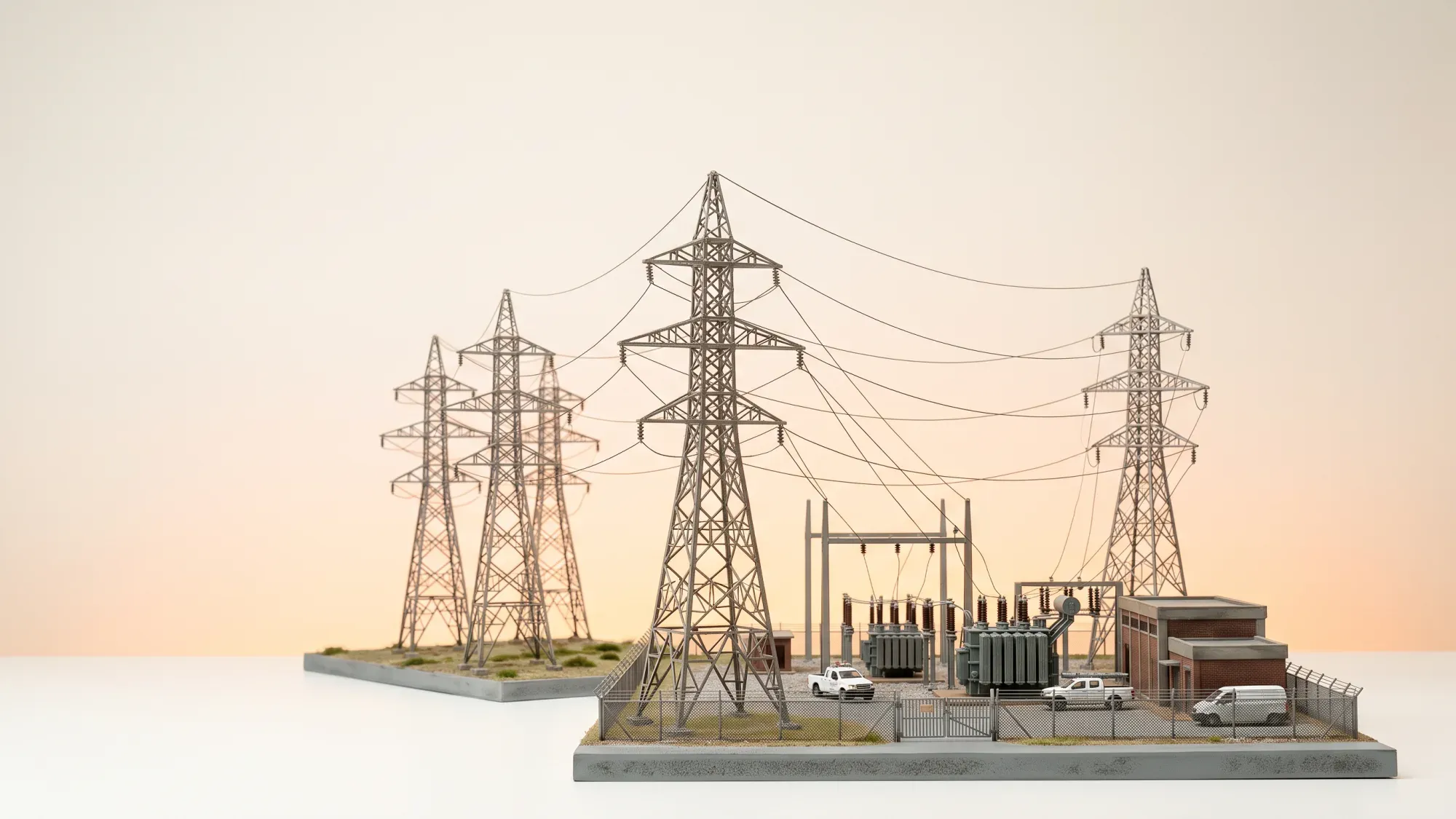
Prime Minister Andy Burnham is set to announce the creation of the Great British grid, a new state-owned electricity network operator operating under Great British Energy1. This initiative aims to accelerate renewable energy connections, lower business and household energy costs, boost competition, and support reindustrialisation across the UK over the next decade. Burnham's plan, to be unveiled during his Labour Party conference speech, includes a target to bring Britain's energy costs in line with those of other European countries within 10 years.
The proposed Great British grid is designed to address the UK's high electricity prices, which were approximately 26% above the EU average in the second half of 2025. It seeks to achieve this by streamlining grid upgrades and reducing inefficiencies such as wind energy curtailment.
Fuse Energy is committed to making energy abundant and affordable for homes across the UK. While the Great British grid focuses on national infrastructure, Fuse provides clear pricing and real-time usage data to help you manage your household energy consumption effectively. You can switch to Fuse Energy today and start taking control of your energy bills here.
The proposal and its purpose
The Great British grid is a proposed state-owned electricity network operator that would function under the umbrella of Great British Energy, a publicly owned body. Its core purpose is to modernise and manage the UK's electricity network, with a strong emphasis on integrating renewable energy sources and driving down energy costs. This initiative represents a significant reform in the UK's energy infrastructure, aiming to create a more efficient and cost-effective system for the future.
Distinguishing from the National Grid
It is important to distinguish the proposed Great British grid from the existing National Grid. The National Grid currently operates the high-voltage electricity transmission network in Great Britain, alongside other functions. The Great British grid, as proposed, would be a new entity, state-owned and operating specifically as an electricity network operator under Great British Energy. This structural change aims to accelerate strategic energy reforms by bringing the network under public ownership within Great British Energy.
Lowering energy costs
A central objective of the Great British grid is to lower energy costs for both businesses and households. The Labour Party's proposal includes a specific target to bring Britain's energy costs in line with those of other European countries within 10 years. This would address the current situation where UK electricity prices were about 26% above the EU average in the second half of 2025. By streamlining grid upgrades and reducing inefficiencies, the initiative hopes to drive down bills.
Accelerating renewable connections
The proposed GB grid aims to significantly accelerate the connection of renewable energy projects to the national electricity network. The initiative is designed to speed up this process, addressing known challenges in renewable energy deployment and facilitating a faster transition to cleaner energy sources.
Boosting competition and reindustrialisation
Beyond cost reduction and renewable integration, the Great British grid is also intended to boost competition within the energy sector and support the reindustrialisation of the UK. By improving grid infrastructure and making connections more efficient, the proposal aims to boost competition and support reindustrialisation across the country.
Understanding future energy bills
For UK households, the most tangible impact of the Great British grid could be on their energy bills. The initiative's stated goal of lowering household energy costs and aligning them with European averages within a decade offers the prospect of more affordable electricity. This is a long-term target, with benefits expected to materialise as grid upgrades are implemented and efficiencies are realised.
Grid upgrades and efficiency
The proposed GB grid's focus on streamlining grid upgrades and reducing inefficiencies like wind energy curtailment is expected to contribute to a more efficient and cost-effective electricity network. This could lead to a more stable energy supply for homes across the country.
Labour Party's vision
The Great British grid is a flagship policy proposal from the Labour Party, unveiled by Prime Minister Andy Burnham during his party conference speech. It reflects a broader vision for energy reform, emphasising state ownership and strategic investment in national infrastructure to achieve affordability and a faster transition to cleaner energy. The proposal is a key part of the party's agenda for the next decade.
Timeline and implementation
It is important to note that the Great British grid is currently a proposed initiative and not yet enacted policy. The timeline for bringing Britain's energy costs in line with European averages is set at 10 years, indicating a long-term commitment rather than a quick fix.
Fuse Energy empowers households today with transparent pricing and control over their energy usage, aligning with a future where energy is abundant and affordable. We offer clear pricing, real-time usage data through our app, and 24/7 human customer support to help you manage your energy effectively. Switching to Fuse is quick and easy, putting you in control of your energy bills from day one. Click here to switch to Fuse Energy today. You can also learn more about our mission to make energy abundant by visiting our mission page.
References
- Global Banking & Finance Review. UK PM Burnham to launch state-owned GB Grid to cut energy costs, speed connections