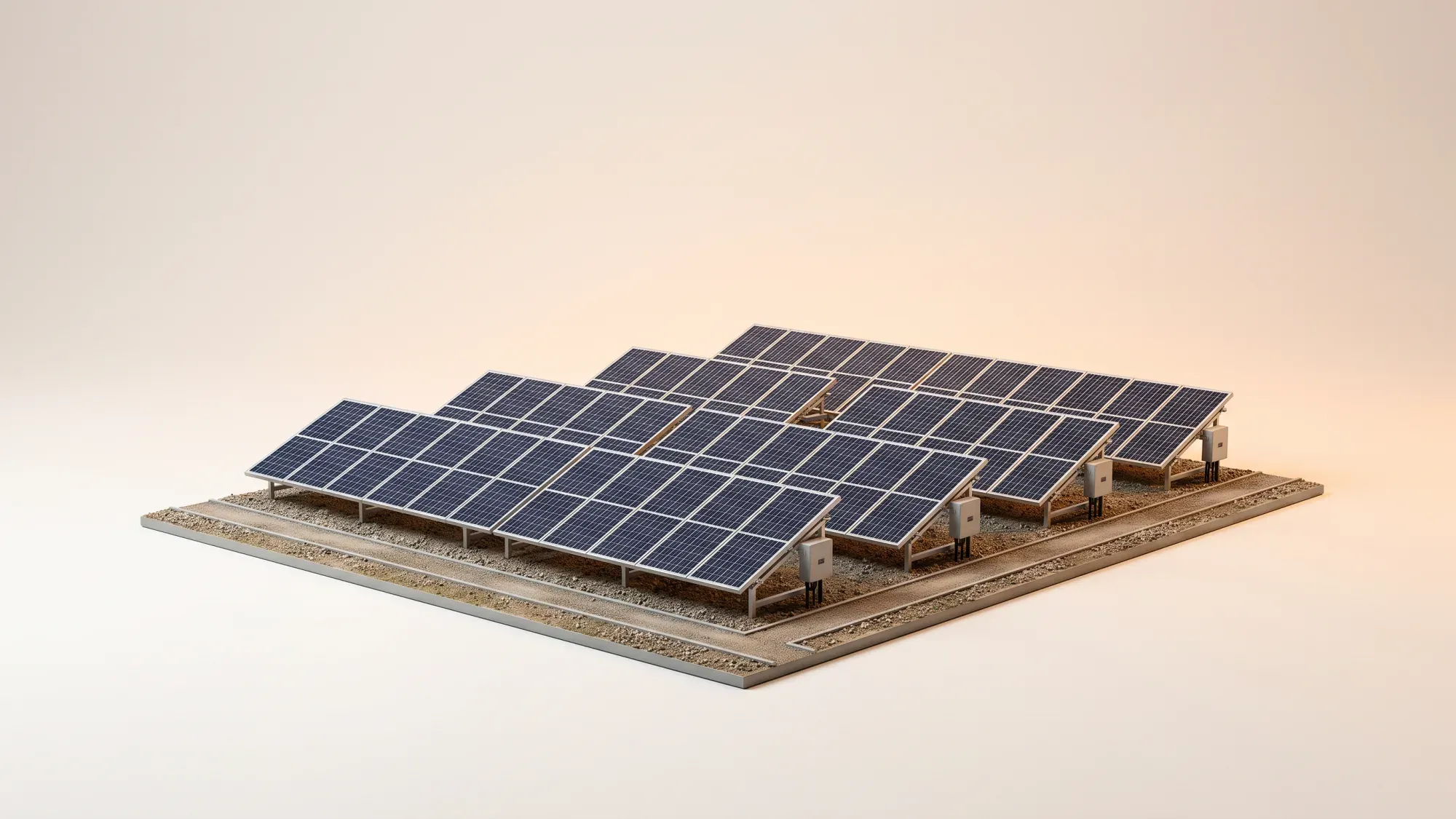
Great Britain's solar power generation reached a record 8.0 terawatt-hours (TWh) in the second quarter of 20261, marking a significant step towards clean energy. Renewables collectively supplied 53% of the total electricity during this period, establishing lower-carbon sources as a dominant force in the UK's energy landscape. This article analyses Great Britain's record solar generation in Q2 2026, highlighting these achievements as tangible signs of progress.
As British solar generation continues to break records, Fuse Energy is working to make clean, abundant energy accessible to every home. We offer clear pricing, real-time usage data, and 24/7 human customer support to help you manage your energy effectively. Click here to switch to Fuse Energy today.
Q2 2026 generation highlights
In Q2 2026, Great Britain generated a record 8.0 TWh of solar power, significantly contributing to the National Grid. This output helped renewable sources supply 53% of Great Britain's total electricity, making it the highest share of any fuel group. Wind power remained the dominant renewable source, generating 18.9 TWh during the quarter, an increase of 7% from Q2 2025.
New instantaneous peak
Beyond quarterly records, instantaneous solar generation also reached a new national peak of 15.42 gigawatts (GW) on 23 April. This record highlights the increasing capacity and efficiency of solar technology within the UK climate, demonstrating its viability as a consistent energy provider.
Renewables as the dominant source
The generation mix in Great Britain continues to shift towards lower-carbon sources. Renewable generation totalled 34.2 TWh during Q2 2026, accounting for 53% of total British electricity generation. This marks renewables as the highest share of any fuel group, a clear indicator of the ongoing energy transition.
Zero-carbon electricity milestone
In Q2 2026, two-thirds of Britain's electricity came from zero-carbon sources. This includes the significant contributions from renewables alongside nuclear power, which accounted for 13% of the mix. Fossil fuels, by contrast, made up 23% of the electricity generation during the same period. This milestone underscores the progress towards a cleaner, more sustainable energy system.
Heatwave impact and grid dynamics
June's record-breaking heatwave highlighted the changing dynamics of Britain's electricity system. Strong solar generation reduced prices during the middle of the day, but lower wind output and decreasing conventional generation due to high temperatures tightened system margins during evening peaks. This increased reliance on batteries, flexible gas generation, and electricity imports to balance the grid.
The need for energy storage and management
The fluctuations in renewable output underscore the critical need for enhanced system flexibility. This includes investments in battery storage solutions, demand-side management, and smart grid technologies that can adapt to varying generation levels. Such measures are vital to ensure grid stability and reliability as the UK continues its transition to a predominantly renewable energy mix.
Challenging the scarcity narrative
Fuse Energy views these record-breaking achievements in British solar generation not just as national successes, but as concrete evidence that the outdated 'scarcity mindset' is being dismantled. We believe in a future with "power to play with," where energy is abundant and accessible, freeing individuals from the constant worry of consumption. This vision directly challenges the narrative that energy is a precious resource requiring constant sacrifice.
Contributing to Britain's renewable capacity
Fuse Energy actively contributes to increasing Britain's renewable generation capacity through direct investments in solar projects, such as Netley North and Bullous Park. These projects are part of our commitment to rebuilding the energy system from scratch, ensuring a steady supply of clean energy for homes across Great Britain. By expanding renewable infrastructure, Fuse helps to create a surplus of energy, empowering customers with greater control and flexibility over their usage.
Future growth and policy implications
The continued growth of British solar generation, alongside other renewables, indicates a clear trajectory towards a low-carbon energy future. Future policy will need to support this expansion, focusing on infrastructure upgrades and market mechanisms that reward flexibility and efficient energy use.
Empowering consumers in the energy transition
The growing abundance of renewable energy creates new opportunities for UK adults to take control of their energy consumption. Technologies like smart meters, home battery storage, and smart tariffs enable individuals to engage with a more flexible, renewable-rich grid. Fuse Energy's app and services are designed to empower customers, providing the tools and transparency needed to make informed energy choices and benefit from the ongoing energy transition.
Fuse Energy is committed to a future where energy is abundant, affordable, and clean. Join us in making a power play for a more sustainable and empowered energy future. Discover how Fuse can help you manage your energy effectively by clicking here to switch to Fuse Energy today. Find out more about our mission by clicking here.