Flexible data centres: boosting AI and UK grid stability
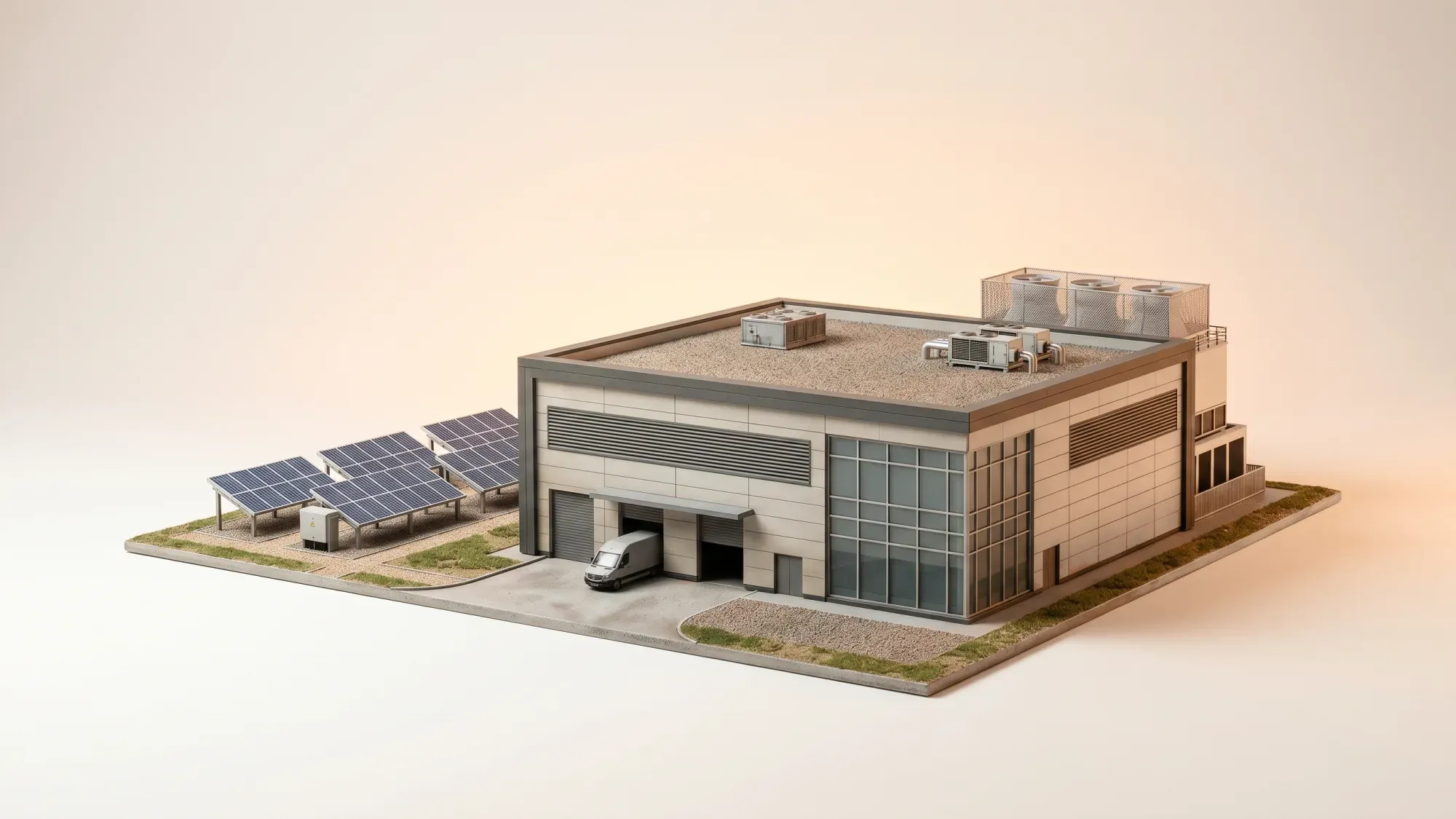
Flexible data centres are emerging as a vital component for both advancing artificial intelligence (AI) and strengthening Britain's electricity system. A new report from the Renewable Energy Association (REA), titled "Data Centre FLEX 101: The Grid's New Best Friend," highlights how these facilities can intelligently adapt their electricity demand to support grid stability and integrate more renewable energy1.
The report argues that the UK does not need to choose between leading the AI revolution and building a clean energy system. Flexible data centres can help achieve both, according to Matt Parry, Head of Power, FLEX & Energy Demand at the REA.
Understanding how innovations like flexible data centres contribute to a more resilient and renewable-powered UK grid aligns with Fuse Energy's vision for a future where energy is so abundant it stops being a concern for your household. Click here to switch to Fuse Energy today.
Enter your address to get a quote and see how much you could save
What is a flexible data centre?
A flexible data centre is an advanced facility capable of intelligently adjusting its electricity demand in real-time, responding to the dynamic conditions of the electricity grid. This capability allows data centres to transition from being passive, fixed-demand consumers to active participants in grid management.
Defining data centre flexibility
Data centre flexibility refers to the ability of these facilities to modulate their power consumption. This means they can absorb surplus renewable power when it is abundant, such as on windy or sunny days, and reduce consumption during periods of peak demand or grid stress. This dynamic response helps balance the grid, which is crucial for integrating more intermittent renewable energy sources.
The role of demand-side flexibility
Demand-side flexibility (DSF) allows large electricity users, like data centres, to temporarily reduce or shift their energy consumption in response to grid signals or market prices. Data centres can offer this flexibility by adjusting operations or shifting workloads. By participating in DSF programmes, data centres can alleviate challenges associated with increased renewable energy adoption, contribute to decarbonisation, and enhance grid reliability.
AI's impact on data centre flexibility
Artificial intelligence is not only driving increased energy demand but also providing the tools to manage it more effectively. AI-driven systems are central to enabling data centres to become flexible grid assets.
Intelligent demand adjustment
AI-enabled data centres can dynamically adjust their electricity demand in real-time without disrupting critical workloads. The REA notes that the technology already exists for AI to manage graphics processing units (GPUs) to cut electricity consumption significantly, all while maintaining uninterrupted computing tasks. This intelligent adjustment helps maintain grid stability and makes better use of existing infrastructure.
Scheduling AI workloads for grid optimisation
Many energy-intensive AI tasks, such as model training and large-scale data processing, do not require continuous, uninterrupted power. These tasks can be scheduled to run when renewable electricity is most abundant, or when grid demand is lower. This smart workload scheduling minimises idle energy consumption and maximises the use of clean energy.
How can AI help data centres optimise energy use?
AI helps data centres dynamically adjust power consumption in real-time by responding to grid signals. This allows them to absorb surplus renewable energy or reduce demand during peak times without interrupting critical operations. AI can also schedule energy-intensive tasks to coincide with periods of abundant renewable electricity.
Benefits for the UK energy system
Flexible data centres offer significant advantages for the UK's electricity grid and its transition to a cleaner energy system. They can help manage the increasing demand from AI while supporting national energy goals.
Integrating renewable power
By absorbing surplus renewable power when it is plentiful, flexible data centres can help prevent renewable energy curtailment, ensuring more clean energy is utilised rather than wasted. This capability is vital for the UK to meet its clean energy targets and accelerate the transition away from fossil fuels.
Enhancing grid stability and resilience
The ability of data centres to quickly adjust their electricity use helps keep the grid stable, reducing the need for expensive network upgrades. In scenarios mimicking grid emergencies, AI-managed data centres have demonstrated the capacity to shed significant load rapidly, contributing to grid resilience. This flexibility can also reduce the risk of power outages and improve overall power quality.
Supporting the energy transition
Flexible data centres play a dual role in the energy transition: they enable the growth of AI, which itself can be used to optimise energy systems, and they act as flexible assets that support a renewable electricity system. This synergy helps Britain lead the AI revolution while building a clean energy system.
Policy and infrastructure for flexible data centres
Unlocking the full potential of flexible data centres requires significant policy and infrastructure reforms. The current system, designed for a different era, struggles to accommodate the rapid growth and dynamic needs of modern digital infrastructure.
Calls for policy reform
The REA is calling on government, Ofgem, and the National Energy System Operator (NESO) to prioritise policy reforms. These include introducing flexibility-first planning requirements for new data centre developments and reforming balancing and ancillary service markets to allow data centres to participate fully.
"Britain doesn't have to choose between leading the AI revolution and building a clean energy system. Flexible data centres can help deliver both." — Matt Parry, Head of Power, FLEX & Energy Demand at the REA
Faster grid connections and planning
The REA highlights that data centres currently face challenges in securing timely grid connections. They advocate for faster, more cost-effective grid connection pathways for facilities that commit to providing demand-side flexibility. The REA also calls on Ofgem to implement reforms for faster grid connections.
The role of the national energy system Operator
The REA is calling on the NESO to prioritise policy reforms that will help manage the impact of data centres on energy demand. NESO, alongside Ofgem and the government, is involved in reforms to streamline grid access and ensure that strategically important projects can connect in a timely manner. Their work helps integrate data centre flexibility into broader grid planning and operation.
Implementing flexible data centre strategies
For UK IT managers and business leaders, implementing flexible data centre strategies involves adopting new technologies, engaging with grid services, and understanding the economic and environmental advantages.
Technology and smart control systems
Modern data centres can enhance their flexibility through on-site battery storage and smart control systems. Battery Energy Storage Systems (BESS) are fast, flexible, and designed to handle the rapid changes in demand created by AI workloads, providing reliable power and aiding grid stability. Smart controls enable these systems to respond to grid conditions automatically, optimising energy use.
Engaging with grid services and ancillary markets
Data centres can generate new revenue streams and enhance sustainability by participating in demand response and ancillary services markets. These services allow data centres to offer their flexibility to the grid, helping to balance supply and demand and address short-term variability. This participation can also improve their own site resilience.
Economic and environmental advantages
By embracing flexibility, data centres can reduce operational costs and contribute to emission reduction by better utilising renewable energy and reducing reliance on carbon-intensive baseload generation. This approach supports economic growth in the UK's digital infrastructure sector while aligning with sustainability goals.
Fuse Energy's mission is to deliver abundant, clean energy, creating the stable, flexible, and cost-effective energy environment that flexible data centres require to operate optimally. While Fuse currently focuses on residential energy supply, our foundational work in vertically integrating and rebuilding the energy system from scratch, powered by AI, indirectly supports the infrastructure that flexible data centres need to thrive in the UK.
Ready to take control of your home energy? Fuse Energy offers clear pricing, real-time usage data through our app, and 24/7 human customer support. Switching is quick and easy, helping you manage your bills effectively. Click here to switch to Fuse Energy today. You can also learn more about our mission to make energy abundant by clicking here.
References
Disclaimer
For the avoidance of doubt, this article is provided for informational purposes only and is not intended to constitute legal or financial advice. The author and/or Fuse Energy shall not be responsible for any losses arising out of any reliance on the information contained herein.