EV drivers avoid public chargers: 52% lack confidence
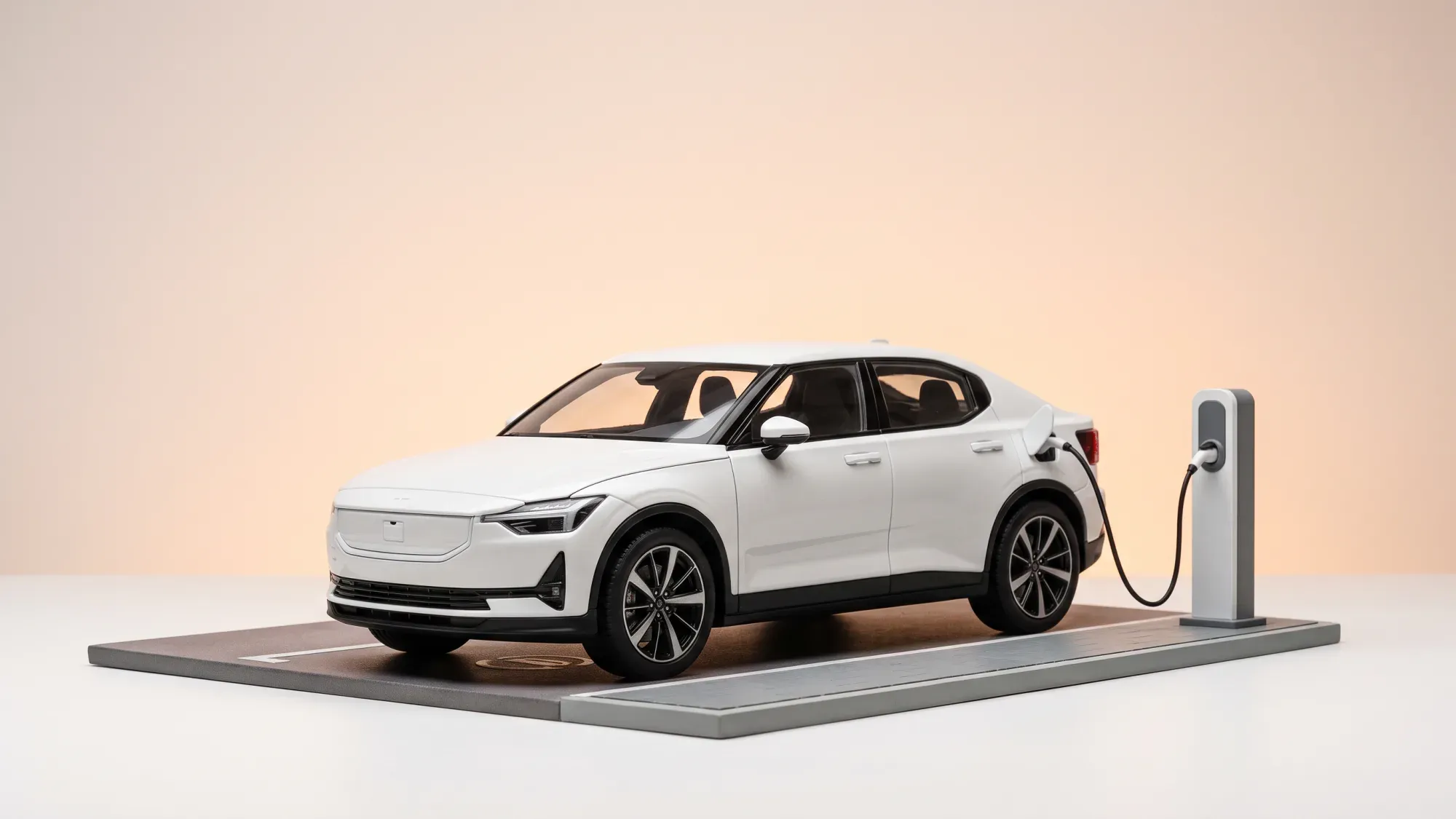
A significant number of electric vehicle (EV) drivers in the UK lack confidence in the public charging infrastructure, with many avoiding its use altogether. This sentiment poses a considerable barrier to the wider adoption of electric vehicles.
For EV owners, managing home energy effectively can reduce reliance on public charging. Fuse Energy helps you master your home energy use, giving you more control. Click here to switch to Fuse Energy today.
Enter your address to get a quote and see how much you could save
Understanding the UK's EV public charging landscape
The journey towards a fully electric future in the UK hinges on a public charging network that inspires trust and ease of use. However, current perceptions reveal a system still finding its footing.
Current challenges: reliability, cost, and availability
A recent investigation by Close Brothers Motor Finance (CBMF) highlighted a substantial lack of confidence among UK EV drivers regarding public charging. The study found that 52% of drivers surveyed never use public charging points, citing concerns about cost, availability, and reliability1. Specifically, 13% of drivers pointed to high costs or unclear pricing, 10% encountered busy or unavailable chargers, and 8% experienced unreliable infrastructure.
What are the main concerns of UK EV drivers regarding public charging?
A study by CBMF revealed that 52% of UK EV drivers avoid public charging due to worries about cost, availability, and reliability. Key issues include high or unclear pricing (13%), chargers being busy or unavailable (10%), and unreliable infrastructure (8%).
The role of local councils and inconsistent oversight
Adding to the complexity is the inconsistent oversight of public charger performance by English county councils. The CBMF research indicated that while some authorities actively monitor charger performance and respond to faults, others delegate data collection to private firms. For instance, Northumberland County Council digitally monitors its public chargers hourly, but councils in Lancashire, West Sussex, Nottinghamshire, and Essex do not hold operational fault or reliability data, as third-party operators manage their networks. This fragmented approach creates a barrier to improving the overall infrastructure.
Why driver confidence is crucial for EV adoption
Building driver confidence is paramount for accelerating EV adoption across the UK. When drivers are uncertain about finding a working, affordable, and available charge point, it naturally leads to range anxiety and reluctance to transition to electric vehicles.
"If the UK is to accelerate EV adoption, improving reliability, transparency and accountability across the public charging network will be just as important as expanding its size." — John Cassidy, Managing Director at CBMF
John Cassidy, Managing Director at CBMF, emphasised this point, stating that "Drivers need confidence that charging will be straightforward wherever they travel". Without this assurance, the UK's ambitious EV targets will be harder to meet.
Navigating public charge points: your practical guide
While the infrastructure evolves, EV drivers can employ several strategies to make public charging more manageable and less stressful.
Types of public chargers and connector compatibility
Public charging points come in various speeds and connector types. Understanding these is the first step to confident charging:
- Rapid chargers: Often found at motorway service stations and dedicated charging hubs, these use CCS (Combined Charging System) or CHAdeMO connectors. They offer the fastest charging, ideal for longer journeys.
- Fast chargers: Common in public car parks, workplaces, and retail locations, these typically use a Type 2 connector. They're suitable for topping up during a few hours' stop.
- Slow chargers: Usually found at residential streets or older installations, these also use a Type 2 connector or a standard 3-pin plug. They are best for overnight charging or when you have extended periods of time.
Most modern EVs are compatible with Type 2 and either CCS or CHAdeMO, but always check your vehicle's specifications.
Essential apps and tools for finding available charge points
Dedicated apps and tools are invaluable for locating and navigating the public charging network. Many apps offer extensive coverage and real-time availability data for thousands of charging devices. They allow users to filter by connector type, charging speed, and network, and sometimes even pay for charging within the app.
Other useful apps include:
- Octopus electroverse: This app aims to provide access to a wide network of chargers.
- CoCharger: A community-based app that allows EV owners to share their home chargers with neighbours.
- Network-specific apps: Major networks often have their own apps that provide real-time information and payment options for their specific chargers.
These tools can help you plan routes, check charger status, and even read user reviews to gauge reliability.
Planning your journey with public charging in mind
For longer trips, planning charging stops is crucial. Use your chosen EV charging app to identify charge points along your route, considering their speed and the time you'll need to charge. It's wise to have backup options in mind, especially in less densely populated areas. Factor in potential queues at popular rapid chargers during peak times.
Managing costs and payment for public EV charging
Public charging costs can vary significantly, making it essential to understand the different pricing models and payment methods available.
Deciphering public charging tariffs and pricing models
Public charging tariffs typically fall into a few categories:
- Per kWh: You pay for the amount of electricity consumed, similar to home electricity bills. This is generally the most transparent method.
- Per minute: You pay for the time your vehicle is connected, regardless of how much energy it draws. This can be more expensive for slower-charging vehicles or if the charger is not delivering its maximum speed.
- Subscription models: Some networks offer monthly subscriptions that provide reduced per-kWh rates or a certain amount of free charging. These can be cost-effective for frequent users of a specific network.
- Connection fees: Some charge points may also levy a flat connection fee in addition to energy or time charges.
Pricing can also vary based on charger speed, location, and time of day. Always check the pricing details on the charger or in the app before you plug in.
Payment methods: apps, RFID cards, and contactless options
Paying for public charging has become more streamlined, but a mix of methods still exists:
- Dedicated apps: Many charging networks require you to use their specific app to start, stop, and pay for a charge.
- RFID cards: Some networks offer RFID (Radio-Frequency Identification) cards that you can tap to activate a charger and pay.
- Contactless payment: A growing number of rapid and ultra-rapid chargers now offer standard contactless credit/debit card payment, eliminating the need for multiple apps or cards.
- Integrated solutions: Some apps aim to offer a single platform to access and pay across multiple networks, simplifying the process.
Strategies for cost-effective public charging
To manage costs effectively, consider these strategies:
- Prioritise home charging: If you have a home charger, use it for daily charging as it's typically the cheapest option.
- Utilise free charging: Some supermarkets, retail parks, or workplaces offer free charging for customers or employees.
- Compare network prices: Use apps to compare per-kWh rates across different networks in your area.
- Consider subscriptions: If you frequently use a particular network, a subscription might offer better value.
- Charge off-peak: Some tariffs offer cheaper rates during off-peak hours, similar to home energy tariffs.
Integrating home and public charging for optimal use
For many EV owners, the most effective strategy involves a smart blend of home and public charging. This integrated approach can significantly reduce reliance on public infrastructure and enhance overall convenience.
The benefits of smart home charging for reducing public reliance
Smart home charging solutions empower UK EV owners to manage their entire energy ecosystem. By optimising home charging, you can significantly reduce your dependence on public charge points, mitigating concerns about their cost, availability, and reliability. Smart chargers can schedule charging during off-peak hours when electricity is cheaper, or even integrate with solar panels and home batteries to use self-generated renewable energy. This not only saves money but also provides a sense of control over your energy consumption.
How to balance home and public charging for efficiency
The ideal balance often means using home charging for your daily needs and relying on public charging primarily for longer journeys or unexpected top-ups. For instance, if your daily commute is within your EV's range, charging overnight at home is usually the most convenient and cost-effective option. Public rapid chargers then become a valuable resource for extending your range on road trips, ensuring you reach your destination without anxiety. This approach leverages the strengths of both charging methods.
Maximising your overall EV energy strategy
A holistic EV energy strategy involves more than just plugging in. It means understanding your driving habits, optimising your home energy setup, and being prepared to navigate the public network when necessary. By integrating smart home energy management with informed public charging choices, you gain greater control over your energy costs and reduce the stress associated with EV ownership. Fuse Energy, while not operating public charging points, empowers you to master your home energy, providing the "power to play with" your entire energy ecosystem and transforming public charging anxiety into a strategic advantage.
The future of UK EV charging infrastructure
The UK's EV charging landscape is dynamic, with ongoing efforts to address current challenges and build a more robust network.
Innovations and improvements on the horizon
The future promises significant improvements in EV charging infrastructure. We can expect to see more rapid and ultra-rapid chargers, increased standardisation of payment methods, and enhanced reliability through better monitoring and maintenance. Innovations in battery technology and charging speeds will also contribute to a more seamless charging experience. The push for contactless payment options and simplified access across different networks aims to reduce the current fragmentation.
Advocating for better reliability and transparency
Continued advocacy for improved reliability, transparency, and accountability across the public charging network is crucial. This includes clearer pricing structures, better real-time information on charger availability and status, and more consistent oversight from local authorities. As the number of EVs on the road grows, so too will the demand for a public charging network that is as dependable and easy to use as traditional petrol stations.
The impact on sustainable mobility and net zero transport
A confident and accessible EV charging infrastructure is fundamental to achieving the UK's sustainable mobility goals and its commitment to net zero transport. By making EV ownership more practical and less daunting, it encourages more drivers to make the switch, reducing reliance on fossil fuels and lowering carbon emissions. The ongoing development of the charging network is not just about convenience; it's a vital component of a greener, more sustainable future.
Managing your home energy effectively is key to reducing reliance on public charging and gaining control over your bills. Fuse Energy offers clear pricing, real-time usage data through its app, and 24/7 human customer support to help you make the most of your home charging. Switching to Fuse is quick and easy, putting the power to play with your energy back in your hands. Click here to switch to Fuse Energy today. You can also learn more about our mission to make energy abundant by clicking here.
References
- Energy Live News. EV drivers unhappy with public chargers
Disclaimer
For the avoidance of doubt, this article is provided for informational purposes only and is not intended to constitute legal or financial advice. The author and/or Fuse Energy shall not be responsible for any losses arising out of any reliance on the information contained herein.