Prime Minister Andy Burnham has announced a temporary scrapping of VAT on domestic electricity bills, a move set to benefit UK households and electric vehicle (EV) drivers who charge at home1. This change, effective from 1 October until 31 March 2027, aims to provide "breathing space" during the cost of living crisis by cutting taxes on energy bills. While welcomed by many, the policy also highlights a persistent disparity in VAT rates between home and public EV charging, sparking renewed calls for fairer taxation across the board.
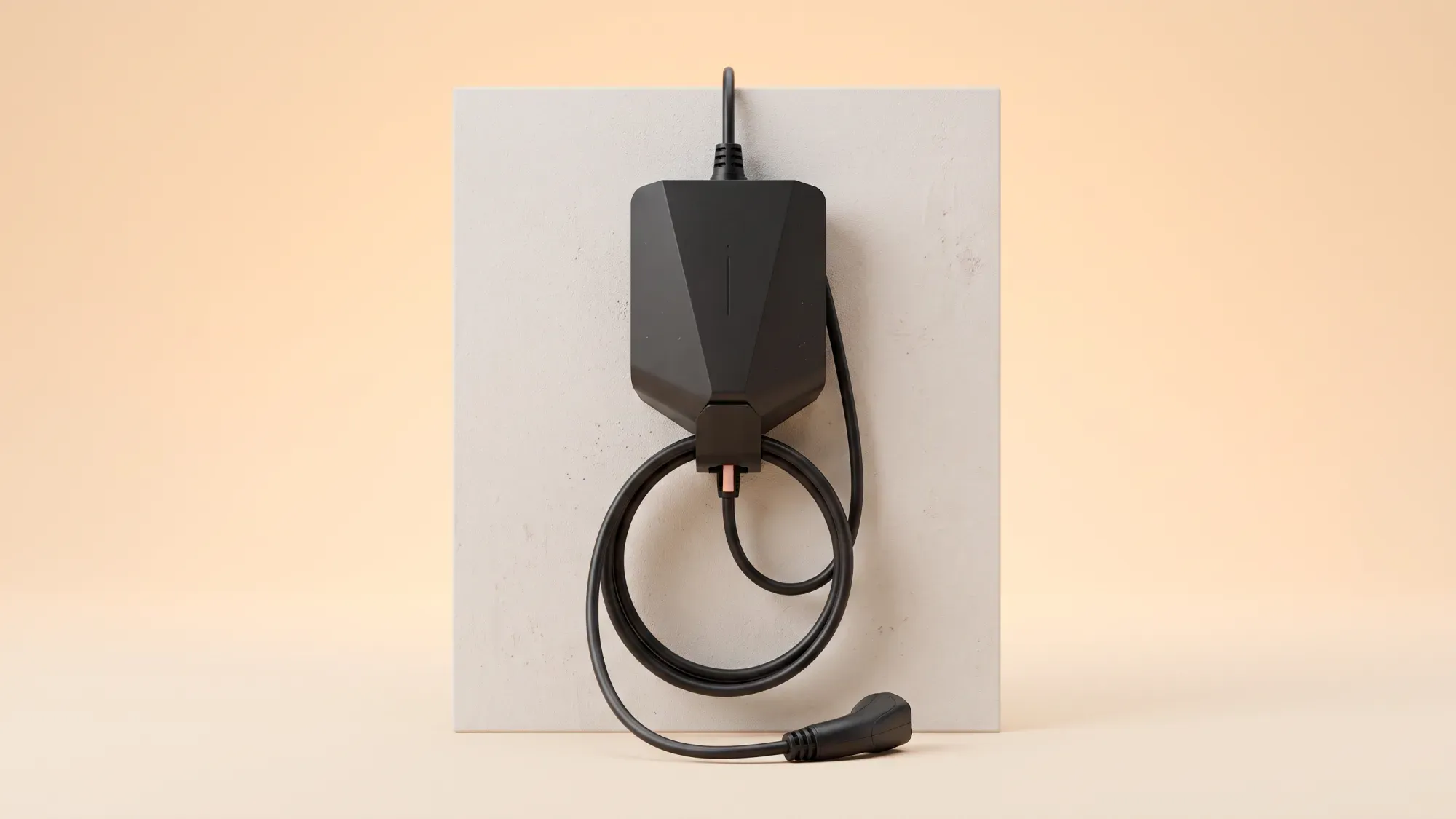
Thinking about PM Burnham's VAT cut? Fuse Energy installs the Easee One smart home EV charger for a flat £899 including full installation, up to 15m of cabling, surge protection, and a 3-year warranty. Tap the quote button below to get started.
The UK's temporary VAT cut on domestic electricity
Andy Burnham's announcement and rationale
New Prime Minister Andy Burnham unveiled plans to remove the 5% VAT on domestic electricity bills, making it one of his first major policy announcements. The measure, which came into effect on 1 October, is designed to offer financial relief to households across the UK. Burnham stated: "I said I wanted to give people breathing space, and that's what I'm announcing on my second day as Prime Minister. We're taking immediate action to cut taxes on energy bills, put more money in people's pockets and bring back hope". The government expects energy suppliers to automatically pass these savings on to customers.
How the VAT reduction works
The temporary policy reduces the VAT rate on domestic electricity bills from 5% to 0%. This cut applies solely to electricity bills, meaning gas bills will continue to incur 5% VAT. The reduction is in place for six months, concluding on 31 March 2027. This means that for every £100 spent on electricity, households will save £5.
Impact on home electric vehicle charging costs
Estimated savings for EV owners
For electric vehicle owners who charge their cars at home, this temporary VAT cut translates into direct savings. An average EV driver could save up to £25 annually. Drivers covering higher mileages might see even greater reductions, with some estimates suggesting annual savings closer to £35-£40. These savings make running an EV even more cost-effective, particularly for those with off-street parking.
How much could I save on home EV charging?
The temporary VAT cut on domestic electricity means home EV drivers could save up to £25 annually. For those with higher mileage, savings could reach closer to £35-£40 per year. These figures depend on your electricity consumption, tariff, and how frequently you charge at home.
Maximising benefits with smart home charging
To make the most of the reduced VAT, home EV owners can leverage smart charging practices and tariffs. Smart meters, for instance, enable access to time-of-use tariffs that offer cheaper electricity rates during off-peak hours. By scheduling EV charging during these periods, combined with the 0% VAT, drivers can significantly reduce their running costs. Fuse Energy, for example, helps customers benefit from such policies by offering competitive home energy tariffs and smart solutions that integrate with smart meters, giving them more control over their energy usage and costs.
The persistent disparity: public vs home charging VAT
Why public charging retains 20% VAT
Despite the temporary cut for domestic electricity, the VAT rate on public EV charging remains at 20%. This creates a significant cost gap, often referred to as a "pavement tax", between those who can charge at home and those who rely on public charging infrastructure. This disparity disproportionately affects drivers without off-street parking, such as those living in flats or terraced houses. The Treasury has previously resisted proposals to reduce VAT on public charging.
Industry calls for fairer taxation
The widening cost gap has intensified calls from industry figures and EV advocates for VAT harmonisation. Vicky Edmonds, CEO of EVA England, welcomed the domestic VAT cut but noted that "millions of drivers without a driveway will not fully benefit because they can't easily access home charging". She emphasised the need for "real structural reform" to tackle taxes and levies faced by chargepoint operators. Guy Bartlett, CEO of public chargepoint operator Believ, urged for an end to this "postcode lottery".
"It's time to end this postcode lottery and align VAT on public charging with home energy to make EVs more affordable for everyone."
— Guy Bartlett, CEO of Believ
Industry bodies argue that aligning VAT on public charging with home energy is crucial for equitable EV adoption and sustainable transport.
Navigating the future of EV charging in the UK
What happens after March 2027
The temporary VAT cut on domestic electricity is set to expire on 31 March 2027. Unless new policy announcements are made, the VAT rate on home electricity bills will revert to 5% after this date. The future of VAT on public EV charging remains uncertain, with ongoing discussions and a government review into public charging costs. Industry pressure for harmonisation is likely to continue.
Thinking about PM Burnham's VAT cut? Fuse Energy installs the Easee One smart home EV charger for a flat £899 including full installation, up to 15m of cabling, surge protection, and a 3-year warranty. Tap the quote button below to get started.
For the avoidance of doubt, this article is provided for informational purposes only and is not intended to constitute legal or financial advice. The author and/or Fuse Energy shall not be responsible for any losses arising out of any reliance on the information contained herein.