Ofgem funds project for domestic EV tariffs on public chargers
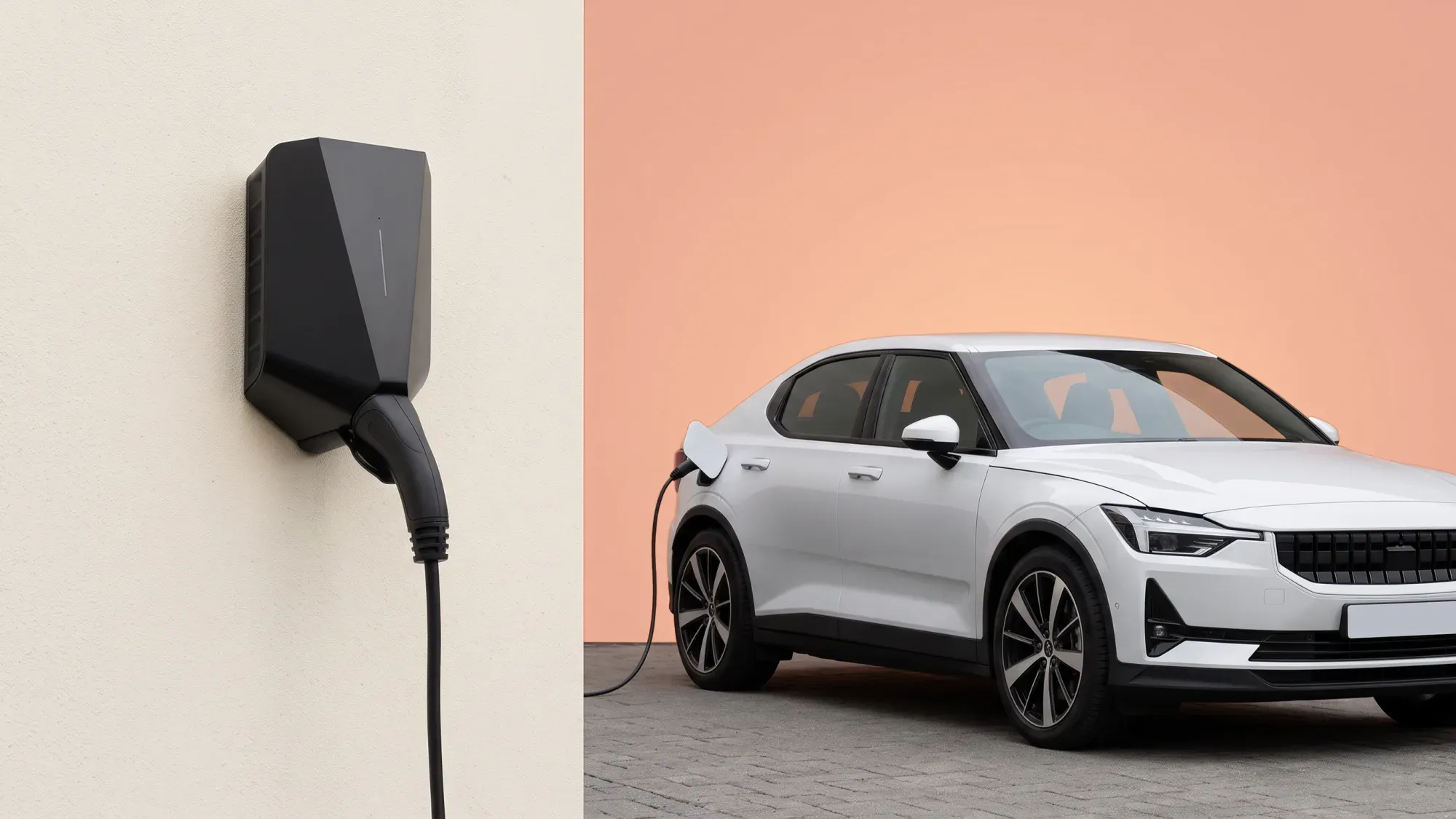
Charging an electric vehicle (EV) at home can be significantly more cost-effective than relying solely on public charging infrastructure. However, a new project funded by Ofgem's Strategic Innovation Fund aims to level the playing field, allowing EV drivers to use their domestic electricity tariff even when charging away from home1. This initiative could eliminate the financial disadvantage faced by drivers unable to install home chargers, who currently incur higher costs and 20% VAT on public charging.
The need for such innovation is clear: sales of EVs in the UK rose by more than 44% in July 2026 compared to the same month last year, highlighting a growing consumer trend that demands more accessible and affordable charging solutions.
Explore smarter energy for your home. Fuse Energy is committed to helping EV owners take control of their charging costs and benefit from a modern energy experience. Click here to switch to Fuse Energy today and start saving.
Enter your address to get a quote and see how much you could save
The future of EV charging: Roaming MPANs explained
The 'Roaming MPANs' project, led by Scottish and Southern Electricity Networks (SSEN) Distribution, received funding from Ofgem's Strategic Innovation Fund to develop a concept that could revolutionise public EV charging. This project seeks to address a significant barrier for many EV owners. The Strategic Innovation Fund (SIF) is a programme delivered in partnership between Innovate UK and Ofgem, designed to drive the transformation of the UK's energy networks towards a low-carbon future.
Addressing the public charging disadvantage
Currently, a major hurdle for EV drivers without home charging is the higher cost and additional VAT applied to public charging. Domestic electricity is charged at 5% VAT, while public EV charging incurs 20% VAT, creating a substantial financial disparity. The 'Roaming MPANs' concept aims to allow drivers to use their domestic electricity tariff, including any cheaper off-peak rates, when charging at public points. This would effectively remove the financial penalty for those unable to install a home charger, such as those living in flats or rented accommodation.
Benefits for EV drivers and the electricity network
The initiative promises multiple benefits. For EV drivers, it means greater equity in charging costs, making electric vehicles a more viable option for a wider range of the population. It also encourages the use of public charging points during off-peak hours, typically overnight, which benefits the electricity network by balancing demand and promoting grid stability.
"Sales of EVs rose by more than 44% in July 2026, compared with the same month last year, so it’s incumbent on network operators like us to respond to this consumer trend, by doing what we can to help make the charging and running of these cars cheaper, and more straightforward." — Frank Clifton, SSEN Distribution’s Innovation Manager
Maximising savings with domestic EV charging tariffs
While 'Roaming MPANs' is a future development, significant savings can already be made by optimising home charging. Understanding domestic electricity tariffs is key to unlocking these benefits.
Understanding dual-rate tariffs
Dual-rate domestic tariffs offer different electricity prices depending on the time of day. These tariffs typically provide cheaper rates during off-peak hours, often overnight, which is ideal for EV charging. By scheduling your EV to charge during these periods, you can significantly reduce your running costs.
The role of smart meters in off-peak charging
While smart meters can simplify managing dual-rate tariffs, they are not always a strict prerequisite for accessing them. Eligibility for off-peak or dual-rate tariffs is determined by your meter's configuration, such as its Metering Point Administration Number (MPAN) and Standard Settlement Configuration (SSC), not solely by whether it is a smart meter. A customer with a dual-rate manual meter can still switch to an off-peak tariff if their supply has a supported dual-rate SSC. Many suppliers offer free smart meter upgrades, which can make it easier to track usage and manage tariffs.
Comparing home vs public charging costs
The cost difference between home and public charging is considerable. As mentioned, public charging includes 20% VAT, compared to 5% for domestic electricity. For an average UK home using around 2,500 kWh of electricity per year, even a small difference in unit rates can lead to substantial annual savings when applied to EV charging. Charging at home during off-peak hours on a dual-rate tariff offers the most economical solution for most EV owners.
Choosing the right domestic tariff for your EV
Selecting the best domestic tariff for your EV involves a few straightforward steps to ensure you maximise your savings.
Assessing your charging habits
Before comparing tariffs, consider your typical charging needs. Do you mostly charge overnight? How many miles do you drive daily? Understanding your usage patterns will help you identify a tariff that aligns with your lifestyle and provides the most benefit from off-peak rates.
Key factors when comparing tariffs
When researching energy suppliers, look beyond just the headline off-peak rate. Compare:
- Off-peak rates: The per-unit cost during designated cheaper hours.
- Peak rates: The cost during standard hours, as you will still use electricity for other household needs.
- Standing charges: A daily fixed fee, regardless of consumption.
- Contract terms: Look for flexibility and any potential exit fees.
- Meter compatibility: Ensure the tariff works with your meter setup.
Making the switch to a smarter tariff
Once you have identified a suitable tariff, switching is usually a simple process. Many energy suppliers facilitate online switches, and your new provider will handle the transfer from your old one. Remember to schedule your EV charging during the cheaper off-peak hours to fully benefit from your new tariff.
Empowering EV owners with Fuse Energy
Fuse Energy is committed to helping EV owners take control of their charging costs and benefit from a modern energy experience.
Fuse's approach to cost-effective charging
Fuse's dual-rate tariffs provide customers with the power to control their charging costs and benefit from cheaper off-peak electricity. By choosing Fuse for home EV charging, customers can make a strategic move to reduce their energy bills and gain control over their energy consumption. This approach aligns with future innovations like 'Roaming MPANs' that aim to modernise the energy infrastructure and make EV charging more accessible and affordable for all.
24/7 support for your energy needs
Fuse offers continuous 24/7 human customer support to help EV owners optimise their charging schedules and understand their energy tariffs. This ensures you always have assistance when you need it, empowering you to make the most of your energy plan.
Managing your energy bills should be clear and easy to understand. Fuse Energy focuses on straightforward pricing, so you can see exactly what you are paying without unnecessary complexity. If you have a smart meter, you can view detailed usage data through the app or website, helping you understand how you can lower your bills. If you do not have a smart meter, Fuse Energy can upgrade your non-smart meter, completely for free. This can make it easier to track spending and make informed decisions about your energy use. Our 24/7 human support team is always on hand with fast response times whenever you need help. Click here to switch to Fuse Energy today. Find out about our mission by clicking here.
References
- Transport and Energy. New project could allow EV drivers to use domestic tariff away from home
Disclaimer
For the avoidance of doubt, this article is provided for informational purposes only and is not intended to constitute legal or financial advice. The author and/or Fuse Energy shall not be responsible for any losses arising out of any reliance on the information contained herein.