Europe's 2026 total solar eclipse: hotel prices soar for 11 August
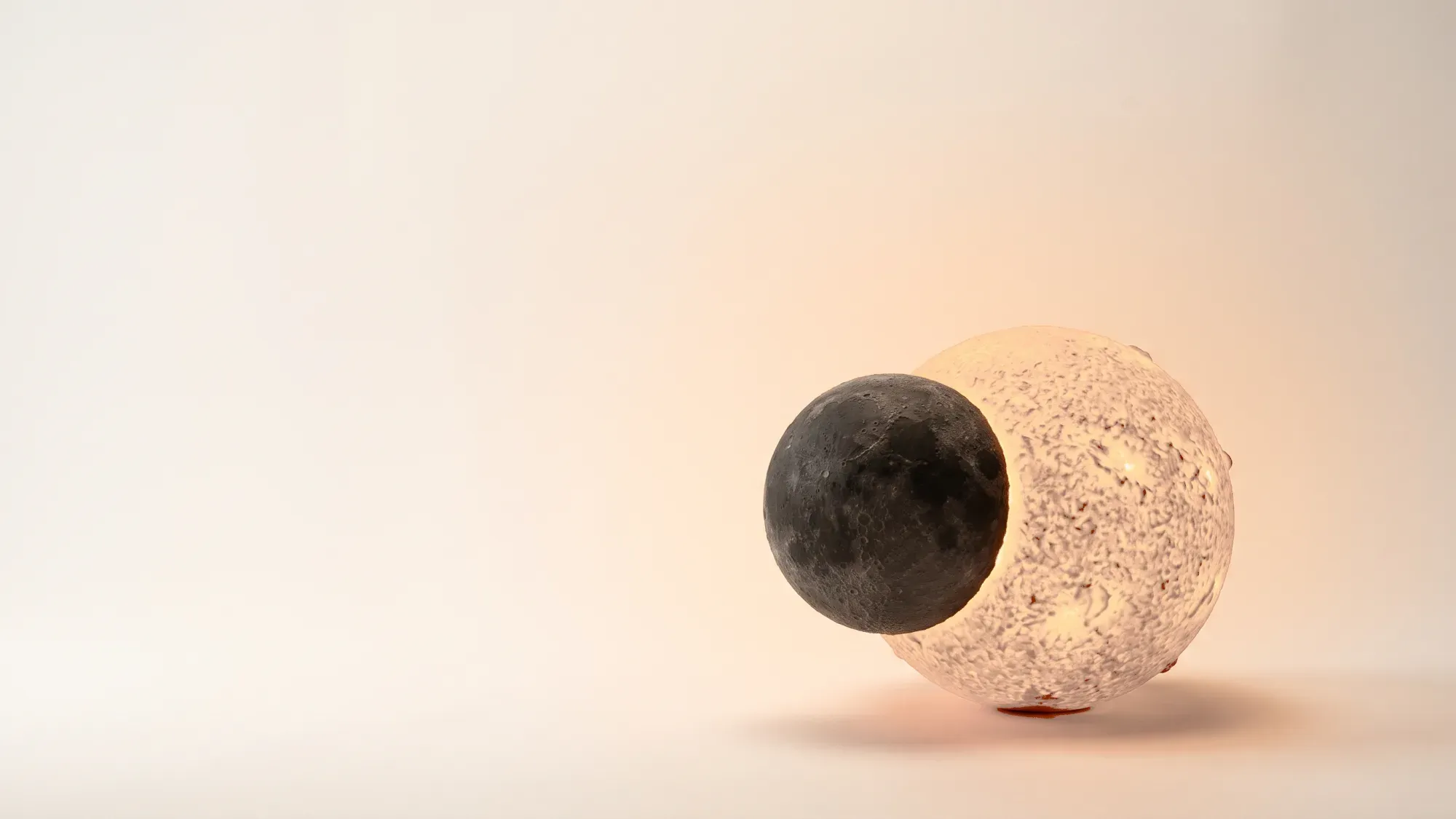
The first total solar eclipse visible from mainland Europe this century is set to occur in August 2026, drawing significant attention and prompting a surge in travel bookings. This celestial event offers a rare spectacle for sky-watchers, but planning is essential, particularly for UK residents considering a trip to the path of totality.
As you plan your trip to witness this incredible celestial event, consider how you manage your energy at home. Fuse Energy is building a future where energy is abundant and easy to manage, so you can focus on experiences like the total solar eclipse without worrying about your bills. Click here to switch to Fuse Energy today.
Enter your address to get a quote and see how much you could save
Understanding the 2026 total solar eclipse in Europe
A total solar eclipse is a breathtaking astronomical event where the Moon passes directly between the Sun and Earth, completely obscuring the Sun's face. This alignment casts a shadow on Earth, plunging areas within the path of totality into temporary darkness. It is a rare and profound experience, distinct from a partial eclipse where only a portion of the Sun is covered.
What is a total solar eclipse?
During a total solar eclipse, the Moon perfectly aligns to block the Sun's bright disk, revealing its ethereal corona - the Sun's outer atmosphere - which is normally hidden by the intense glare. This moment of totality can last for several minutes, transforming the daytime sky into a twilight scene with stars and planets becoming visible.
When and where will it be visible?
The next total solar eclipse visible from Europe will take place on Tuesday, 11 August 2026. The path of totality will sweep across parts of Iceland and Spain, offering prime viewing opportunities in these regions. This event marks the first total solar eclipse to be seen from mainland Europe since 1999, making it a highly anticipated occasion.
The path of totality
The path of totality for the 2026 eclipse begins over the Arctic, then crosses the western and southern parts of Iceland, including its capital, Reykjavík. From there, the shadow will traverse the Atlantic Ocean before making landfall in northern Spain. Key Spanish regions within the path include Galicia, Asturias, Castilla y León, and the Balearic Islands, offering diverse landscapes for observation.
Prime european viewing locations and travel considerations
The anticipation for the 2026 total solar eclipse has already led to a significant impact on travel and accommodation in the prime viewing areas. Planning well in advance is crucial to secure a spot and manage costs.
Iceland: Reykjavík and surrounding areas
Reykjavík, Iceland's capital, is directly in the path of totality, making it a highly sought-after destination. Hotel rates in the city have seen a nearly 100% jump in anticipation of the event. Tourists in Reykjavík have been shelling out £587 on average for a room, according to Lighthouse Intelligence.1 This surge reflects the high demand for accommodation in a relatively small capital city during a peak tourist season.
Spain: a Coruña, Mallorca, and Castilla y León
Spain is also steeling itself for an influx of tourists, with the finance ministry expecting 460,000 overseas tourists to visit specifically for the eclipse. The rate for a room in A Coruña was up 135% compared with last year to $451 on average, while prices in Mallorca were up by 24% at about $448. In Santiago de Compostela and Bilbao, hotel room prices have risen 34% and 67% respectively. The Spanish mainland offers more extensive infrastructure and a wider range of viewing locations compared to Iceland, but demand is still exceptionally high.
Navigating hotel price surges and accommodation
The significant hotel price increases in both Iceland and Spain highlight the importance of booking accommodation and transport as early as possible. Many hotels in prime viewing locations are already fully booked or commanding premium rates. Travellers should consider staying in areas just outside the direct path of totality and travelling in on the day, though this requires careful planning for traffic and logistics. Alternative accommodation, such as self-catering options or campsites (where permitted and safe), might offer more affordable choices.
Essential safe viewing practices
Observing a solar eclipse, whether total or partial, requires strict adherence to safety guidelines to protect your eyes. Looking directly at the Sun without proper protection can cause severe and permanent eye damage.
Why eye protection is crucial
The Sun's intense ultraviolet (UV) and infrared (IR) radiation can burn the retina, leading to a condition known as solar retinopathy. This damage can occur without any immediate pain and may result in permanent vision loss or blind spots. Even a brief glance at the Sun during an eclipse can be harmful.
Certified eclipse glasses and viewers
The only safe way to look directly at the Sun during an eclipse is through specialised solar filters, such as certified eclipse glasses or handheld solar viewers. These must meet the ISO 12312-2 international safety standard. Regular sunglasses, even very dark ones, are not safe for direct solar viewing. Always inspect your eclipse glasses or viewer for scratches or damage before use.
Indirect viewing methods
If you do not have certified eclipse glasses, indirect viewing methods offer a safe alternative. A simple pinhole projector, made from two pieces of card, can project an image of the eclipsed Sun onto a surface. This allows you to observe the event without looking directly at the Sun. Binoculars or telescopes should only be used for solar viewing if they are fitted with approved, professional-grade solar filters on their front lenses.
Navigating local risks and safety measures in Spain
While the eclipse promises a spectacular show, Spanish authorities are implementing extensive measures to manage the large crowds and mitigate potential risks, particularly concerning wildfires.
Wildfire concerns and activity restrictions
Spain has experienced increasingly severe summers, with a heightened risk of forest fires due to dry conditions. The influx of visitors for the eclipse could exacerbate this risk. Virginia Barcones, secretary general for civil protection and emergencies at Spain's interior ministry, stated:
"We've had an extremely tough summer in Spain, with yet another series of major forest fires. That's why we must restrict any kind of activity that could generate a spark."
This means local authorities may impose restrictions on activities like barbecues, campfires, or even certain types of vehicle access in high-risk areas.
Emergency services and crowd management
To ensure public safety and manage the anticipated crowds, a massive police operation involving 35,000 officers is planned across Spain. This extensive deployment will help control traffic, maintain order, and respond to any emergencies. Visitors should expect increased police presence and be prepared for potential road closures or diversions, especially in popular viewing spots.
Responsible travel during the eclipse
Travellers to Spain for the eclipse must adhere to all local safety warnings and regulations. This includes respecting fire bans, disposing of waste properly, and following instructions from emergency services. Being mindful of the environment and local communities will contribute to a safe and enjoyable experience for everyone. For those unable to travel, NASA will livestream the event from Spain, offering a safe and accessible viewing option.
The UK's partial eclipse experience
While the UK will not experience totality, residents will still be treated to a significant partial solar eclipse. This offers a chance to witness a celestial event closer to home, albeit with crucial safety precautions.
What to expect in the UK
On Wednesday, 12 August 2026, a partial solar eclipse will be visible across the UK. This means the Moon will cover a portion of the Sun, creating a noticeable dimming of daylight. The extent of the coverage will vary depending on your location within the UK.
Timing and visibility across the country
The partial solar eclipse will be visible across the UK on Wednesday, 12 August 2026. In London, it will reach its maximum coverage at 7:12pm Viewers in other parts of the UK will experience slightly different timings and magnitudes of coverage, but the late afternoon/early evening will be the prime viewing window.
How to safely view a partial eclipse
Even during a partial eclipse, it is never safe to look directly at the Sun without certified eye protection. The same rules apply as for a total eclipse: use ISO 12312-2 certified eclipse glasses or a pinhole projector. Never use regular sunglasses or improvised filters, as these do not offer adequate protection.
What is solar retinopathy?
Solar retinopathy is damage to the retina caused by direct exposure to the Sun's intense light, particularly during an eclipse. It can lead to permanent vision loss or blind spots and often occurs without immediate pain. Certified eclipse glasses are essential to prevent this irreversible damage.
Harnessing the Sun's power: energy resilience during an eclipse
The temporary obscuring of the Sun during an eclipse offers a powerful, albeit brief, demonstration of our planet's reliance on solar energy. It also highlights the importance of resilient energy systems capable of managing fluctuations in supply.
The Sun's role in our energy future
The Sun is the ultimate source of nearly all energy on Earth, and harnessing its power through solar technology is fundamental to building a sustainable energy future. Solar panels convert sunlight directly into electricity, playing an increasingly vital role in decarbonising our grids and providing clean power. The awe-inspiring power of the Sun, even when momentarily hidden, underscores its constant significance.
How modern grids manage solar fluctuations
Modern energy grids are designed to manage fluctuations from various sources, including intermittent renewables like solar. This involves a combination of advanced forecasting, energy storage solutions (such as large-scale batteries), and flexible generation assets that can quickly ramp up or down. Even during an event like a solar eclipse, grid operators can anticipate the reduction in solar output and compensate using other sources, ensuring a stable and uninterrupted supply of electricity.
Fuse Energy's vision for abundant power
At Fuse Energy, we believe in a future with "power to play with" - energy so abundant it stops being a concern. This vision extends to building an energy system so robust that natural phenomena like eclipses do not create energy anxiety or disruption. As "the good timeline's energy company," we are committed to never settling for scarcity. We are working to build an energy system from the ground up, harnessing solar power and other clean sources, alongside advanced storage and grid management, to ensure a constant and reliable supply. This commitment means that even when the Sun takes a spectacular break, the energy supply remains uninterrupted, allowing everyone to live fully and without compromise.
Managing your energy bills should be clear and easy to understand. Fuse Energy focuses on straightforward pricing, so you can see exactly what you are paying without unnecessary complexity. If you have a smart meter, you can view detailed usage data through the app or website, helping you understand how you can lower your bills. If you do not have a smart meter, Fuse Energy can upgrade your non-smart meter, completely for free. This can make it easier to track spending and make informed decisions about your energy use. Our 24/7 human support team is always on hand with fast response times of under 5 minutes whenever you need help. Click here to switch to Fuse Energy today. Find out about our mission by clicking here.
References
- The Guardian. Hotel prices in Europe jump before total solar eclipse
Disclaimer
For the avoidance of doubt, this article is provided for informational purposes only and is not intended to constitute legal or financial advice. The author and/or Fuse Energy shall not be responsible for any losses arising out of any reliance on the information contained herein.