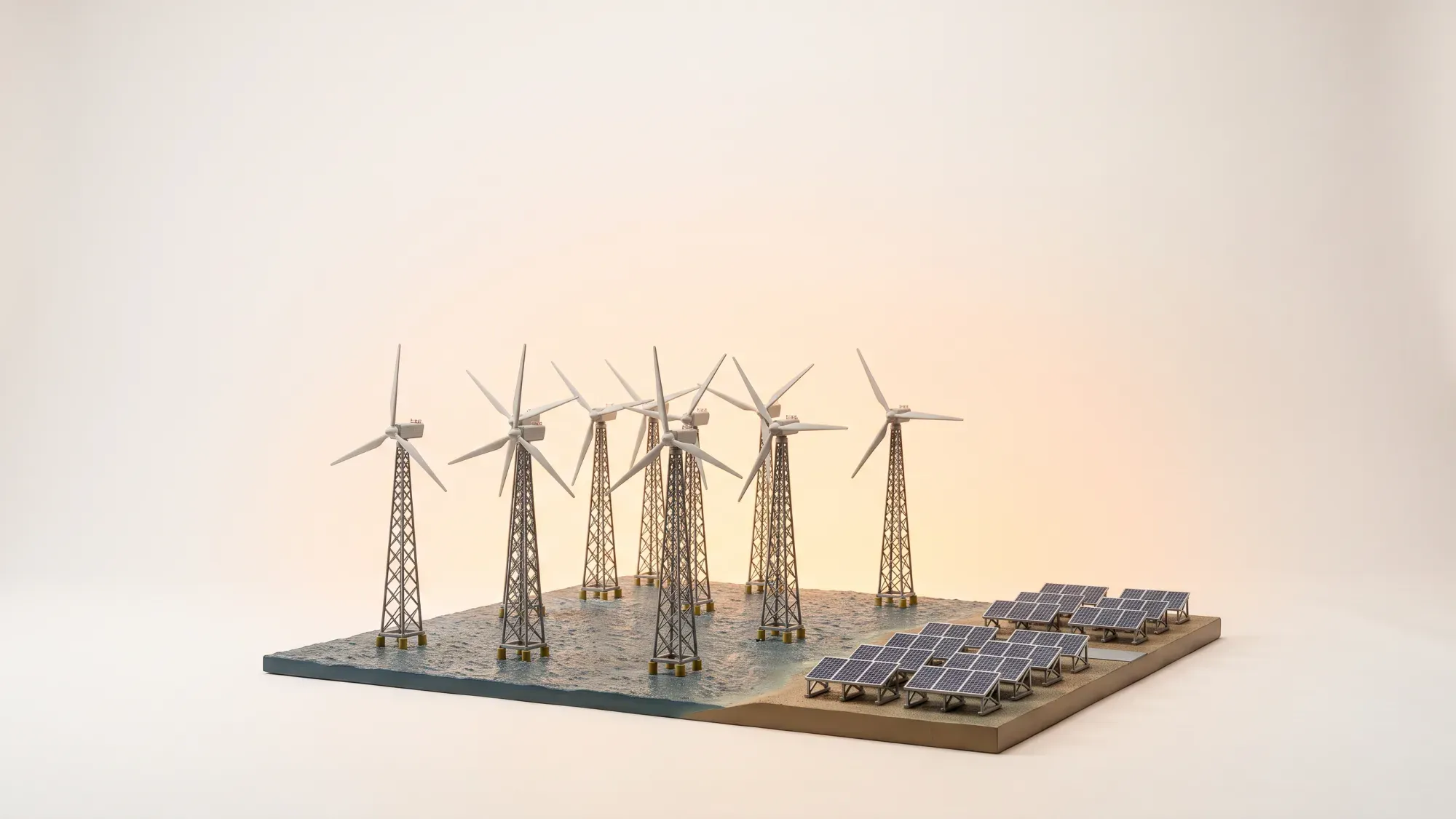
The relationship between the environment and energy is central to the UK's journey towards a sustainable future. Addressing climate change and ensuring energy security requires a fundamental shift in how the nation produces and consumes power, moving towards abundant, clean energy sources.
Thinking about UK's sustainable future? With Fuse Energy, you get clear pricing, real-time usage data, 24/7 human customer support, and a modern energy experience designed around you. Signing up takes just a few minutes, so you can take control of your bills from day one. Click here to switch to Fuse Energy today and start saving.
The UK faces significant environmental challenges, driven by historical energy consumption patterns and the global climate crisis. Understanding these issues is crucial for navigating the transition to a greener economy.
Key environmental challenges facing the UK
The primary environmental challenge for the UK, like many nations, is mitigating climate change. This involves reducing greenhouse gas emissions, which contribute to global warming and its associated impacts, such as extreme weather events and ecological disruption. The UK is legally committed to achieving Net Zero greenhouse gas emissions by 2050, a target enshrined in law to address these pressing concerns.
The evolution of UK energy production and consumption
Historically, the UK's energy landscape was dominated by fossil fuels, particularly coal and later natural gas. This reliance has contributed to past environmental challenges. However, the energy mix is rapidly evolving. Global events, such as the Russia-Ukraine war, have underscored the volatility of fossil fuel markets and their impact on UK energy prices, despite the UK not directly importing significant amounts of Russian gas. This has further accelerated the drive towards energy independence and cleaner domestic sources.
The shift towards renewable energy is central to the UK's strategy for environmental protection and energy security. Innovation in green technology is making clean power more accessible and efficient.
The rise of wind and solar power in the UK
Renewable energy sources, particularly wind and solar, are increasingly central to the UK's energy mix. In 2024, renewables accounted for 50.4% of UK electricity generation, demonstrating a significant transition away from fossil fuels. Wind power is a major contributor, with UK onshore wind farms typically operating at around 27% capacity factor, while offshore wind farms, benefiting from stronger and more consistent winds, average around 41%. This growing capacity is vital for decarbonising the electricity grid.
Advancements in green technology and energy storage
Innovation in green technology is expanding the possibilities for sustainable energy. Beyond large-scale wind and solar farms, advancements include more efficient energy storage solutions and accessible microgeneration technologies. For instance, compliant plug-in solar systems, which allow individuals to generate a small amount of electricity at home, have been legalised in the UK since 27 August 2026, under SI 2026/848. This legislation permits connection via a standard BS 1363 plug, offering a new avenue for households to contribute to clean energy generation.1
Government policies and regulatory frameworks are crucial in shaping the UK's environmental protection efforts and driving the energy transition.
Government strategies for environmental protection and energy security
The Department for Energy Security and Net Zero is the UK government department responsible for energy policy and achieving net zero targets. Alongside this, Ofgem, the UK's energy regulator, oversees gas and electricity markets and protects consumers, ensuring a fair and stable transition. These bodies work to implement strategies that balance environmental goals with the need for a secure and affordable energy supply.
Achieving net zero: UK targets and progress
The UK's commitment to Net Zero by 2050 is a legally binding target, supported by a framework of five-year carbon budgets that act as stepping stones towards the long-term goal. This comprehensive approach aims to reduce greenhouse gas emissions across all sectors of the economy. Progress is continually monitored, with a growing share of electricity generated from renewable sources indicating a positive trajectory towards these ambitious targets.
The choices made regarding energy production and consumption have direct and profound impacts on ecological health, from local air quality to global climate patterns.
Reducing carbon emissions and air pollution
Shifting from fossil fuels to renewable energy sources directly reduces carbon emissions, a primary driver of climate change. This transition also leads to a significant decrease in air pollution, improving public health and reducing environmental damage. The progressively greener UK electricity grid, with its growing share of renewable generation, is a testament to these positive ecological outcomes.
Promoting sustainable development and resource conservation
Sustainable development in the energy sector means not only reducing emissions but also conserving natural resources and minimising ecological footprints. By investing in renewable technologies and energy efficiency, the UK can lessen its reliance on finite resources and reduce the environmental impact associated with extraction, processing, and transportation of traditional fuels. This fosters a more resilient and environmentally sound economy.
The vision for the UK's energy future is one where clean, abundant energy supports both economic prosperity and environmental health, moving beyond narratives of scarcity.
Fuse's contribution to UK renewable energy
Fuse Energy is committed to delivering abundant, clean energy. The company's operational solar and wind projects, such as the 5.2 MW solar site at Netley North, the 12 MW solar site at Bullous Park, and the 0.8 MW wind site at Balnamoon, contribute directly to the UK's renewable energy generation. These projects exemplify how new infrastructure can support a sustainable UK energy mix, helping to meet the nation's growing energy needs with cleaner sources.
Empowering households with sustainable energy choices
Households play a vital role in the energy transition. Understanding energy consumption is a key first step; the average UK home uses around 2,500 kWh of electricity per year. Technologies like compliant plug-in solar, legalised since 27 August 2026, offer a tangible way for individuals to generate their own clean energy and reduce reliance on the grid. By making informed choices and adopting sustainable practices, households can actively contribute to environmental protection and a future with more accessible, cleaner energy.
At Fuse Energy, we believe in a future with power to play with. We're building a modern energy experience designed around you, with clear pricing and real-time usage data. Click here to switch to Fuse Energy today.