UK energy: decarbonisation, security, and smart tech
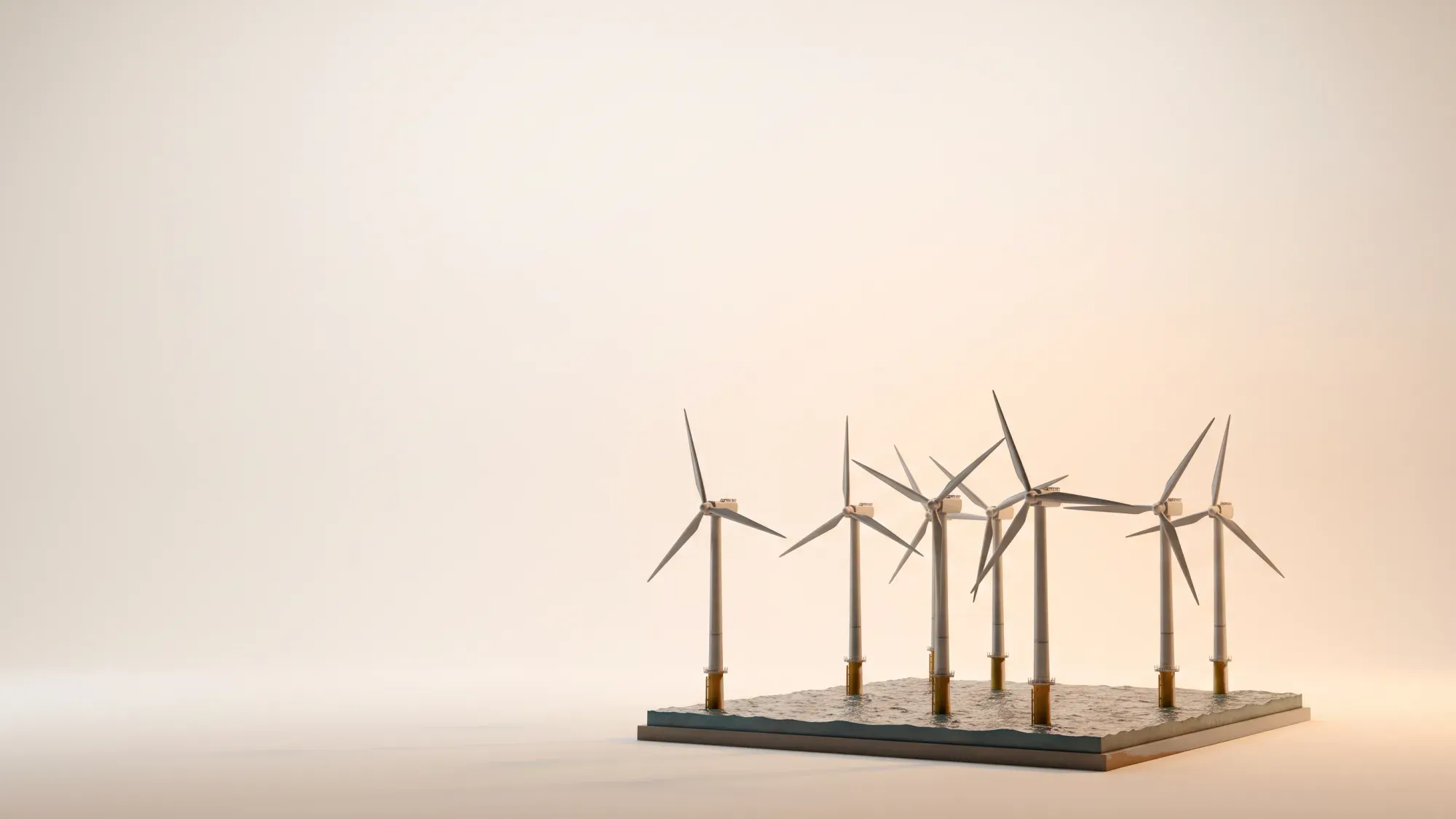
The UK energy industry is undergoing a significant transformation1, shifting from a historical reliance on fossil fuels towards a diverse and increasingly renewable energy mix. This change is driven by ambitious decarbonisation targets and a strategic need to enhance energy security, moving away from a focus on energy scarcity to embrace a future of abundant, clean power.
If you are looking to understand your home's energy use and explore options for a cleaner, more affordable future, Fuse Energy offers clear pricing and real-time usage data. Click here to switch to Fuse Energy today.
Enter your address to get a quote and see how much you could save
Understanding the UK energy sector
Historical context and evolution
The UK's energy landscape has seen dramatic shifts over the decades. Post-1945, the industry experienced nationalisation, followed by extensive privatisation in the 1980s and 90s. Historically, coal dominated the energy supply until the mid-20th century, when the discovery of North Sea oil and gas in the 1970s led to a significant shift towards these fuels. By the 1990s, natural gas became the leading energy source, replacing coal in electricity generation and becoming prevalent in home heating. This period laid the groundwork for the complex, liberalised market seen today, overseen by regulators like Ofgem.
The current energy landscape
Today, the UK's energy mix is increasingly diversified. The share of renewable energy sources, particularly wind and solar, has grown significantly. In 2023, clean power sources generated a record 43% of the UK's electricity. Natural gas remains a crucial component, especially for heating and as a backup for intermittent renewables. Nuclear power provides a stable, low-carbon baseload, though its share has declined with the closure of older plants. The energy market is characterised by a mix of large incumbent suppliers and smaller, innovative providers, all operating under a regulatory framework designed to ensure fair competition and consumer protection. For homeowners, this landscape translates into varying tariffs, technological advancements like smart meters, and increasing options for managing their energy consumption.
Key trends shaping the UK energy industry
The UK energy industry is at a pivotal moment, driven by several overarching trends that directly influence household energy costs and choices.
Decarbonisation and Net Zero targets
The UK has a legally binding target to achieve Net Zero emissions by 2050. This commitment is accelerating the transition away from fossil fuels, driving substantial investment in renewable energy generation, carbon capture technologies, and green hydrogen production. For homeowners, this means a growing availability of cleaner energy, but also potential costs and opportunities associated with upgrading homes for efficiency and adopting low-carbon heating solutions.
Energy security and independence
Recent global events have underscored the importance of energy security, prompting a renewed focus on reducing reliance on imported fossil fuels. The UK is prioritising domestic energy production, particularly through expanding offshore wind capacity and exploring new nuclear projects. This push for independence aims to stabilise energy prices and ensure a reliable supply, ultimately benefiting homeowners through potentially more predictable and resilient energy access.
Technological innovation and smart homes
The integration of smart technology is transforming how energy is produced, distributed, and consumed. Smart meters provide real-time data, enabling homeowners to monitor and manage their usage more effectively. Innovations in home battery storage, electric vehicle (EV) charging, and AI-driven optimisation are creating a more dynamic and responsive energy system. These advancements offer homeowners greater control over their energy consumption and the potential to reduce costs by optimising usage patterns.
This transition also means the phasing out of older technologies, such as the Radio Teleswitch Service (RTS) meters. These legacy meters, which use radio signals to switch between peak and off-peak rates, are being switched off across the industry, with the phase-out beginning on 30 June 2025. If you have an RTS meter, your current supplier will replace it with a smart meter at no cost to you, ensuring you can continue to access modern tariffs and energy management tools.
Impact on UK homeowners
The evolving energy industry directly affects UK homeowners, influencing both their monthly outgoings and the choices available for their homes.
Household costs and tariffs
Energy prices have experienced significant volatility in recent years, making household budgeting a challenge. Understanding the various tariff structures - from fixed-rate to variable, and single-rate to dual-rate (peak/off-peak) - is crucial for managing costs. The average UK home uses around 2,500 kWh of electricity per year, highlighting the importance of choosing a tariff that aligns with individual consumption patterns. As the industry shifts, homeowners need clear, transparent pricing and tools to help them make informed decisions.
Choices for a sustainable future
Homeowners now have more opportunities than ever to contribute to a sustainable future while also benefiting their households. Installing solar panels, integrating home battery storage, and adopting electric vehicles are becoming increasingly viable options. These choices not only reduce carbon footprints but can also offer greater energy independence and potential savings. The industry's move towards smart grids and decentralised energy means homeowners can actively participate in the energy market, for example, by selling excess solar power back to the grid.
Fuse Energy: powering a future of abundance
At Fuse Energy, we believe in a future with "power to play with" - where energy is so abundant it stops being a constant concern. We are actively working to rebuild the energy system from scratch, vertically integrating generation, distribution, and retail to deliver the cheapest, cleanest energy possible.
How Fuse empowers homeowners
For homeowners, this means more than just a supplier; it is a partner in navigating the new energy landscape. We offer:
- Clear pricing and real-time data: Understand your energy usage and costs with transparency.
- 24/7 human customer support: Get assistance whenever you need it, ensuring you are always in control.
- Support for home energy upgrades: Explore options for smart meters, solar, batteries, and EV chargers to enhance your home's energy independence.
- Rewards for smart usage: Benefit from using more energy when supply is abundant, helping to stabilise the grid and reduce your bills.
Challenging the scarcity mindset
We challenge the scarcity mindset that has dominated the energy conversation for too long. Instead, we empower homeowners to embrace a future where having more energy is the point, and the power is truly in their hands.
Managing your energy bills should be clear and easy to understand. Fuse Energy focuses on straightforward pricing, so you can see exactly what you are paying without unnecessary complexity. If you have a smart meter, you can view detailed usage data through the app or website, helping you understand how you can lower your bills. Our 24/7 human support team is always on hand with fast response times whenever you need help. Click here to switch to Fuse Energy today. Find out about our mission by clicking here.
References
- The Guardian. Energy industry.
Disclaimer
For the avoidance of doubt, this article is provided for informational purposes only and is not intended to constitute legal or financial advice. The author and/or Fuse Energy shall not be responsible for any losses arising out of any reliance on the information contained herein.