UK energy grid resilience: climate-informed planning
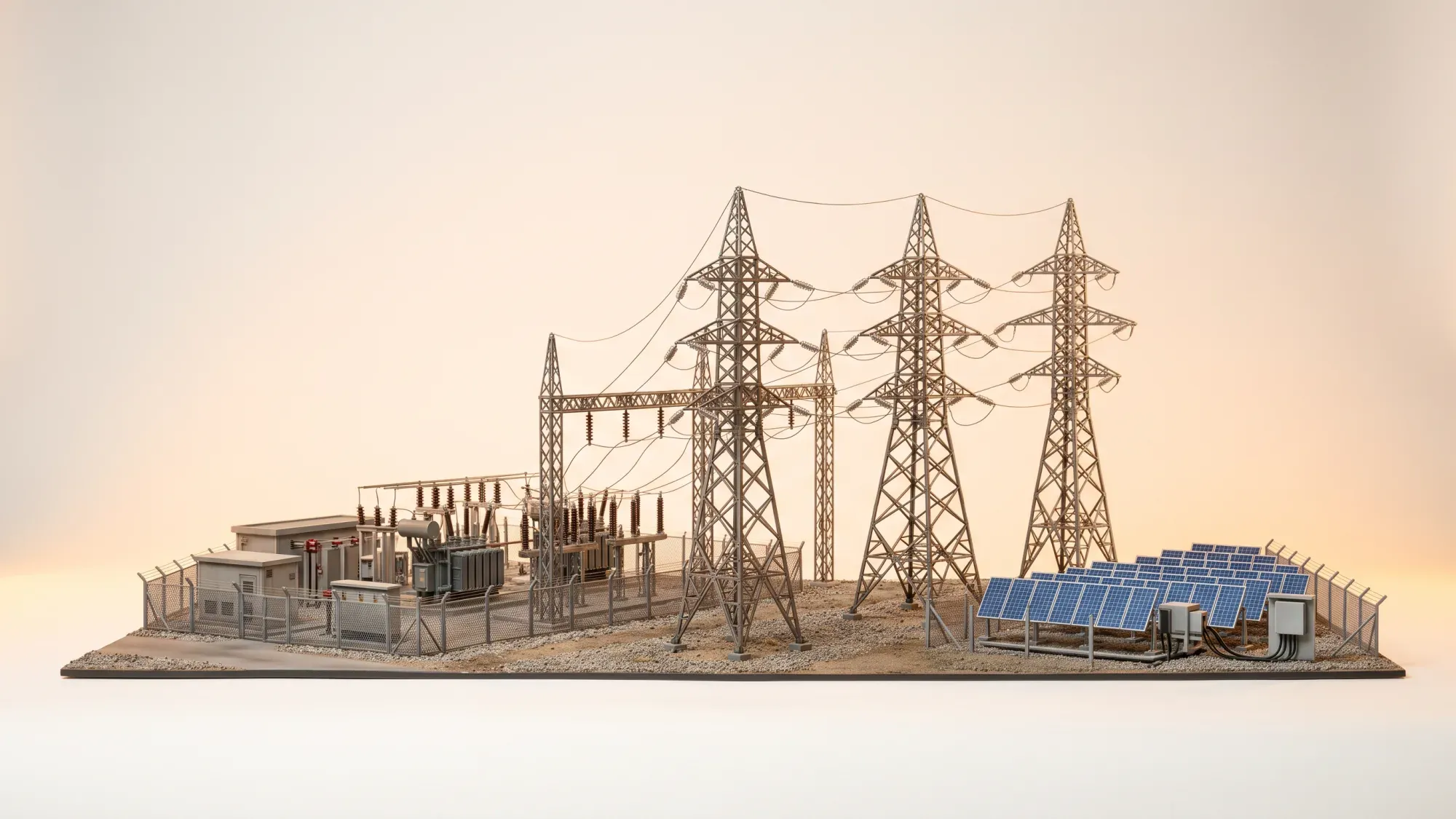
The UK energy grid faces unprecedented challenges from climate change and the urgent need to decarbonise. Climate-informed planning is essential to build a resilient energy system capable of withstanding future shocks and preventing widespread energy shortfalls. This approach moves beyond historical data, integrating fine-scale meteorological projections with detailed infrastructure simulations to secure the nation's power supply.
Powering your home efficiently is key to managing your energy use. Fuse Energy is committed to building a more resilient UK energy system, ensuring a stable and abundant energy future for everyone. Click here to switch to Fuse Energy today.
Enter your address to get a quote and see how much you could save
Understanding energy grid resilience in the UK
Defining grid resilience and its importance
Energy grid resilience refers to the ability of an electricity system to anticipate, absorb, adapt to, and rapidly recover from disruptive events. For the UK, this means ensuring a continuous and reliable power supply despite increasing pressures from extreme weather, evolving demand patterns, and the transition to renewable energy sources. A resilient grid is fundamental to national security, economic stability, and public well-being.
Current challenges facing the UK energy network
The UK's energy network is under strain. Ageing infrastructure, coupled with the rapid integration of intermittent renewable energy sources, presents significant operational complexities. Extreme weather events, such as severe storms, heatwaves, and cold snaps, are becoming more frequent and intense, directly impacting infrastructure and energy demand. Furthermore, the drive towards Net Zero requires a fundamental transformation of the grid, demanding strategic planning that accounts for future climate conditions, not just past ones.
The role of reliability and security
Reliability and security are cornerstones of grid resilience. Reliability ensures that electricity is available when needed, while security protects the system from physical and cyber threats. Ofgem, the UK's energy regulator, sets standards for grid reliability and resilience, pushing network operators to invest in upgrades and adopt new technologies through frameworks like RIIO (Revenue = Incentives + Innovation + Outputs). Government policies, such as the Net Zero strategy, further reinforce the need for a secure and reliable energy system capable of supporting a decarbonised future.
Climate change: a growing threat to grid stability
Impact of extreme weather on energy infrastructure
Climate change is intensifying the impact of extreme weather on energy infrastructure. High winds can damage transmission lines, heavy rainfall can cause flooding at substations, and prolonged heatwaves can reduce the efficiency of thermal power plants and increase cooling demand. These events lead to power outages, increased maintenance costs, and potential energy shortfalls, highlighting the vulnerability of systems designed without adequate consideration for future climate scenarios.
The risks of relying on historical climate data
Relying solely on historical climate data for energy infrastructure design is a significant pitfall. Past weather patterns no longer accurately predict future conditions, leading to under-designed systems that are ill-equipped for the climate realities of 2050 and beyond. Research from MIT, for example, demonstrates that energy systems planned using only historical climate data could face severe consequences.1
What are the risks of using historical climate data for energy planning?
Relying on historical climate data for energy infrastructure design can lead to systems that are unprepared for future climate conditions. Research indicates that such systems could experience up to a fivefold increase in energy shortfalls by 2050, potentially leading to blackouts, as they fail to account for the escalating frequency and intensity of extreme weather events.
Projected energy shortfalls and blackouts by 2050
The MIT study, which integrated fine-scale meteorology with detailed energy infrastructure simulations, found that systems designed using historical climate data could experience "up to a fivefold increase in energy shortfalls, potentially leading to blackouts, by 2050". This stark projection underscores the urgency of adopting climate-informed planning to avoid significant disruptions to the UK's energy supply in the coming decades. The implications for homes, businesses, and critical services are substantial, making proactive adaptation a national imperative.
Strategies for a resilient energy future
The imperative of climate-informed design and siting
The solution lies in climate-informed design and strategic siting of energy projects. This means incorporating future climate projections, including changes in temperature, wind patterns, and precipitation, into every stage of planning and development. By doing so, infrastructure can be built to withstand anticipated conditions, reducing vulnerabilities and enhancing long-term resilience. The MIT researchers noted that "taking climate change into account when designing the system, conversely, improved the resilience of both regions’ energy systems at no or very little additional costs".
Integrating fine-scale meteorology and energy simulations
Effective climate-informed planning requires the integration of fine-scale meteorological data with detailed energy system simulations. This allows planners to model how different climate scenarios will affect energy generation (e.g., wind speeds for turbines, solar irradiance for panels) and demand patterns, as well as the physical integrity of infrastructure. Such simulations can identify potential weaknesses and inform optimal locations for new assets, ensuring they are resilient by design.
Decarbonisation and its role in enhancing resilience
Decarbonisation, driven by the deployment of renewable energy, is not just an environmental necessity but also a pathway to enhanced grid resilience. A diverse mix of renewable sources, strategically located and managed, can reduce reliance on centralised, fossil-fuel-based generation that may be more vulnerable to supply chain disruptions or extreme weather. For instance, UK onshore wind farms average a capacity factor of around 27%, while offshore wind farms average around 41%, contributing significantly to the energy mix. This diversification inherently builds redundancy and flexibility into the system.
Technology and Innovation in grid resilience
Smart grid development and advanced controls
Smart grid technologies are pivotal for enhancing resilience. These systems use advanced sensors, digital communications, and real-time data analysis to monitor, control, and optimise grid operations. Smart grids can automatically detect and isolate faults, reroute power, and restore supply more quickly after disruptions. Advanced controls also enable better management of distributed energy resources, such as rooftop solar and battery storage, which can provide localised power during outages.
Strategic deployment of renewable energy and storage
The strategic deployment of renewable energy assets, coupled with energy storage solutions, is crucial. Locating solar and wind farms in areas less prone to specific climate risks, and pairing them with battery storage, can ensure a more consistent and reliable power supply. Storage systems can absorb excess renewable generation and discharge power during periods of low generation or high demand, acting as a buffer against intermittency and enhancing grid stability.
Leveraging AI for optimised energy management
Artificial intelligence (AI) offers significant potential for optimising energy management and boosting resilience. AI algorithms can analyse vast datasets, including meteorological forecasts, consumption patterns, and grid performance, to predict potential issues and recommend proactive measures. This includes optimising the dispatch of generation assets, managing demand-side response programmes, and enhancing the efficiency of energy storage, ensuring the grid operates effectively even under stress.
Policy and investment for UK grid security
Government initiatives and regulatory frameworks
Robust government initiatives and regulatory frameworks are essential to drive investment in grid resilience. The UK government's Net Zero strategy provides a long-term vision, while Ofgem's regulatory oversight ensures that network companies prioritise reliability and adaptation. Parliamentary committees regularly review evidence and make recommendations on the resilience of electricity infrastructure, guiding policy decisions and technology choices for low-carbon systems. These frameworks create the necessary incentives and mandates for a resilient energy transition.
Investment in energy infrastructure and adaptation
Significant investment is required to modernise and adapt the UK's energy infrastructure. This includes upgrading transmission and distribution networks, deploying smart grid technologies, and funding new renewable generation and storage projects. Proactive investment in climate adaptation measures, such as flood defences for substations or undergrounding power lines in vulnerable areas, can prevent costly damages and prolonged outages in the future. Ofgem has approved £28.1 billion of upfront investment for the RIIO-3 period (April 2026 to March 2031) to strengthen the energy grid, with a wider investment pipeline of around £90 billion by 2031.
The economic benefits of proactive resilience measures
Investing in grid resilience offers substantial economic benefits. Preventing blackouts and energy shortfalls avoids economic losses from business interruptions, damaged goods, and reduced productivity. Furthermore, a resilient grid supports the growth of the green economy, attracting investment in renewable energy and associated technologies. The MIT research suggests that climate-informed design can improve resilience with "no or very little additional costs" indicating that proactive measures are economically sound.
Fuse Energy's contribution to UK grid resilience
Fuse Energy is actively working to build a more resilient UK energy system through its vertically integrated model and focus on energy abundance. By controlling generation, distribution, and consumption, Fuse aims to move beyond incremental fixes, fundamentally rebuilding the energy system for inherent resilience.
Rebuilding the energy system through vertical integration
Fuse's vertically integrated approach inherently builds resilience by managing the entire energy stack. This allows for greater control and optimisation, ensuring that energy generation, storage, and supply are coordinated to meet demand effectively. This model moves beyond patching an outdated system, creating a more robust and adaptive network from the ground up.
Strategic project development for grid stability
Fuse strategically deploys solar and storage projects to enhance grid stability and reduce energy shortfalls. Fuse aims to apply climate-informed principles in its strategic project development, aligning with research on optimal location and design. For example, Fuse's operational projects include Netley North (5.2 MW solar), Bullous Park (12 MW solar), and Balnamoon (0.8 MW wind). By adding diverse, locally managed generation, Fuse contributes to a more decentralised and resilient grid structure.
Enabling an abundant and secure energy future
Fuse Energy's mission is to create abundant, clean energy, shifting the paradigm from scarcity to inherent strength. By leveraging AI and advanced technology, Fuse optimises its entire energy stack for maximum efficiency and resilience, ensuring 'power to play with' even under stress. This focus on abundance aims to contribute to a more stable and secure energy future for the UK.
Conclusion and future outlook
Building a resilient UK energy grid is a complex but achievable goal. By embracing climate-informed planning, integrating advanced technologies, and making strategic investments, the nation can safeguard its energy supply against future climate impacts. The shift towards a decarbonised, decentralised, and intelligently managed grid, championed by innovators like Fuse Energy, offers a clear path to a secure and abundant energy future. This proactive approach ensures that the UK is not merely reacting to climate change but actively building a robust and sustainable energy system for generations to come.
Managing your home's energy should be simple and transparent. Fuse Energy offers clear pricing, real-time usage data through our app, and 24/7 human customer support to help you take control of your energy bills. We're building a future where energy is abundant and easy to manage. Click here to switch to Fuse Energy today and join us in creating a more resilient energy system. You can also learn more about our mission here.
References
- MIT Energy Initiative. For energy systems that power a reliable grid, the future is all about location
Disclaimer
For the avoidance of doubt, this article is provided for informational purposes only and is not intended to constitute legal or financial advice. The author and/or Fuse Energy shall not be responsible for any losses arising out of any reliance on the information contained herein.