Furniture placement: the simple mistake increasing your energy bills
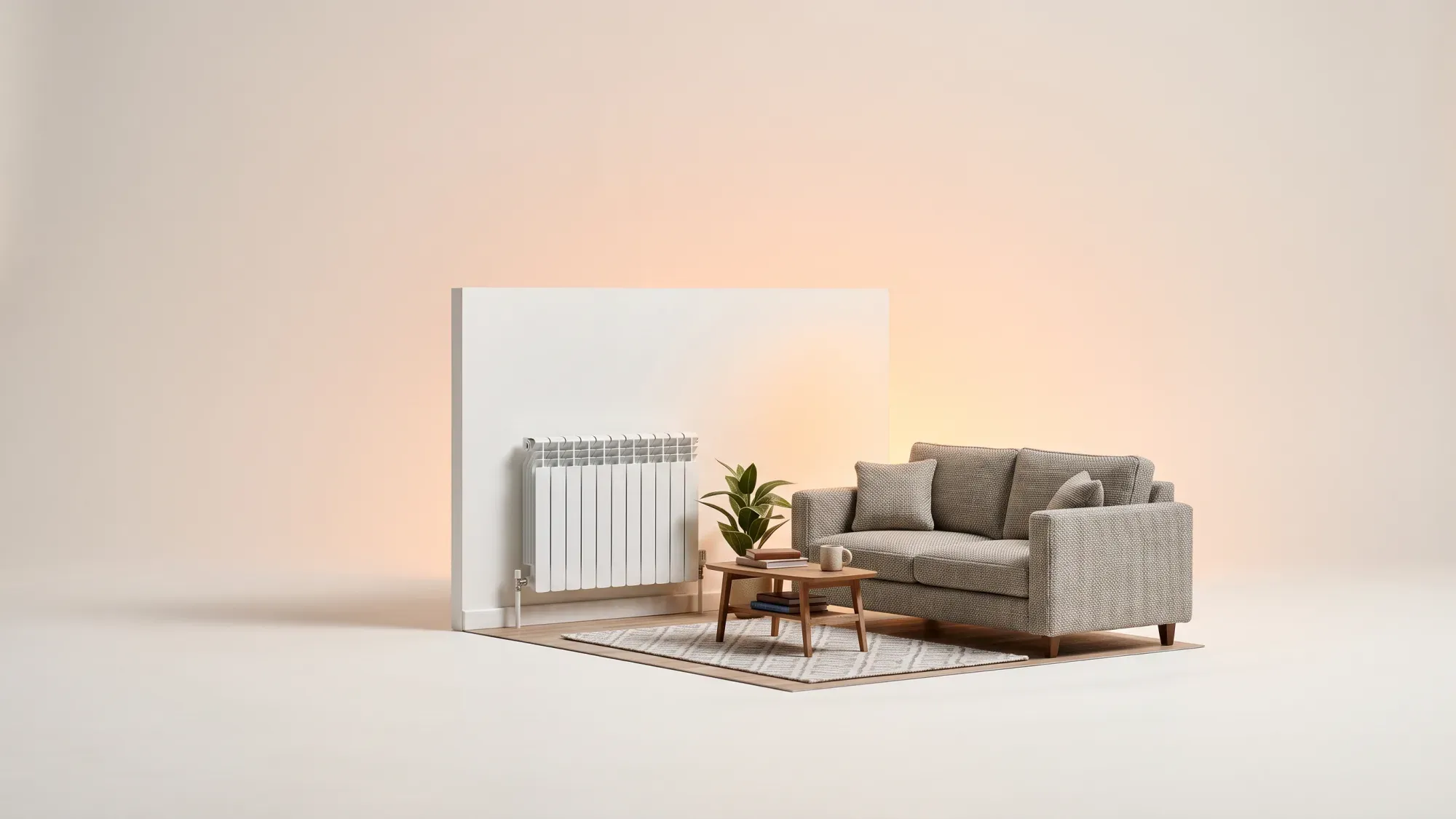
UK households are being urged to adjust their furniture placement to avoid higher energy bills and potential damage. Experts warn that a common mistake, such as placing a sofa directly in front of a radiator, can significantly impede heating efficiency and lead to increased costs1. With the average UK home using around 9,500 kWh of gas annually for heating and hot water, understanding how furniture affects heat distribution is crucial for efficient energy use.
Understanding your home's energy usage is the first step towards greater efficiency. Fuse Energy provides clear insights into your consumption, helping you make informed decisions to save money. Click here to switch to Fuse Energy today and start optimising your home's energy.
Enter your address to get a quote and see how much you could save
The hidden impact of furniture on your heating bills
Your home's layout plays a crucial role in how effectively your heating system operates. Furniture placement, often overlooked, can significantly influence both your energy bills and the longevity of your belongings.
Why radiator obstruction costs you money
Placing large items like sofas directly in front of radiators creates a physical barrier, trapping heat and preventing it from spreading efficiently into the room. This forces your heating system to work harder and for longer to reach the desired temperature, leading to wasted energy and higher bills. Obstructing radiators can significantly reduce their efficiency, meaning a portion of the heat generated never properly warms your living space.
Protecting your furniture and preventing mould
Beyond increased energy costs, placing furniture too close to radiators can have detrimental effects on your belongings and your home's air quality. Excessive heat exposure can damage upholstery, causing it to shrink, sag, fade, or even crack and warp depending on the material. Furthermore, restricted airflow behind furniture can trap moisture and condensation, creating an ideal environment for mould growth.
"Placing a sofa too close to a radiator can also obstruct airflow, reducing the efficiency of your heating system. This not only leads to uneven room temperatures but also causes your heating system to work harder, potentially increasing your energy bills. In spaces with limited ventilation, positioning furniture too near a heat source can trap moisture and cause condensation behind the sofa, which could result in mould growth." — Joana Sadovskaja, Sofa Expert at Lovesofas
Optimal radiator placement: practical tips
Simple adjustments to your furniture layout can dramatically improve your home's heating efficiency.
The 30cm rule
To ensure optimal heat circulation, aim to keep furniture at least 30cm (approximately 12 inches) away from radiators. This gap allows warm air to rise and circulate freely throughout the room, rather than being absorbed by the furniture itself. Even a slight increase in this distance can make a noticeable difference to how quickly and evenly a room heats up.
Consider vertical radiators and other solutions
If space is a significant constraint, alternative solutions can help. Vertical radiators, for example, take up less horizontal wall space, offering more flexibility for furniture placement. They can fit into narrower sections of wall, freeing up prime spots for sofas and other large items. For further protection, you can also attach a reflective sheet to the back of your sofa to direct heat back towards the radiator, or use a sofa cover to protect the upholstery.
Maximising heat circulation
Beyond the 30cm rule, consider the overall flow of air in your room. Avoid using long, heavy curtains that drape over radiators, as these can trap heat behind them, directing it towards the window rather than into the room. If possible, tuck curtains behind the radiator or opt for shorter styles. Regularly bleeding your radiators also ensures they are working efficiently, as trapped air can prevent hot water from circulating properly.
Broader home heating efficiency tips
While furniture placement is a key step, it's part of a wider strategy for an energy-efficient home.
Draught-proofing your home
Preventing heat loss through draughts is one of the most cost-effective ways to improve heating efficiency. Seal gaps around windows and doors, block unused chimneys, and use draught excluders to keep warm air in and cold air out. This simple measure can prevent your heating system from overworking to compensate for lost warmth.
Smart thermostat usage
Investing in a smart thermostat can provide greater control over your heating. These devices learn your habits, allow you to set schedules, and can often be controlled remotely via an app. By only heating your home when and where it's needed, smart thermostats can significantly reduce energy waste.
Regular boiler maintenance
An inefficient boiler can be a major drain on your energy bills. Regular servicing ensures your boiler operates at its best, identifying and fixing minor issues before they become costly problems. A well-maintained boiler uses less fuel to produce the same amount of heat, saving you money in the long run.
Leveraging technology for energy savings
Modern technology offers powerful tools to manage and reduce your energy consumption.
Smart meters and usage insights
Smart meters provide real-time data on your energy usage, allowing you to see exactly how much electricity and gas you're consuming. This insight empowers you to identify energy-hungry habits and understand the impact of changes, such as optimising radiator placement. The average UK home uses around 2,500 kWh of electricity per year, and monitoring this can highlight areas for improvement.
Efficient home upgrades
Beyond behavioural changes, consider efficient home upgrades. Better insulation, double glazing, and modern heating systems like heat pumps can drastically reduce your energy needs. While these require an initial investment, they offer substantial long-term savings and increased home comfort.
Empowering householders with practical tips like furniture placement gives you control over your energy consumption and bills. Fuse Energy encourages customers not to settle for inefficient heating. By optimising your home heating, you can enjoy more comfort without the fear of excessive energy costs. The Fuse app provides insights into energy usage, allowing you to see the direct impact of efficiency changes like improved heat circulation, aligning with a future of energy abundance. Take control of your energy today. Click here to switch to Fuse Energy and experience clear pricing and 24/7 human support. Learn more about our mission to make energy abundant here.
References
- Somerset County Gazette. Expert warns of simple mistake that could be increasing your energy bills
Disclaimer
For the avoidance of doubt, this article is provided for informational purposes only and is not intended to constitute legal or financial advice. The author and/or Fuse Energy shall not be responsible for any losses arising out of any reliance on the information contained herein.