NESO issues electricity margin notice: UK grid seeks back-up power
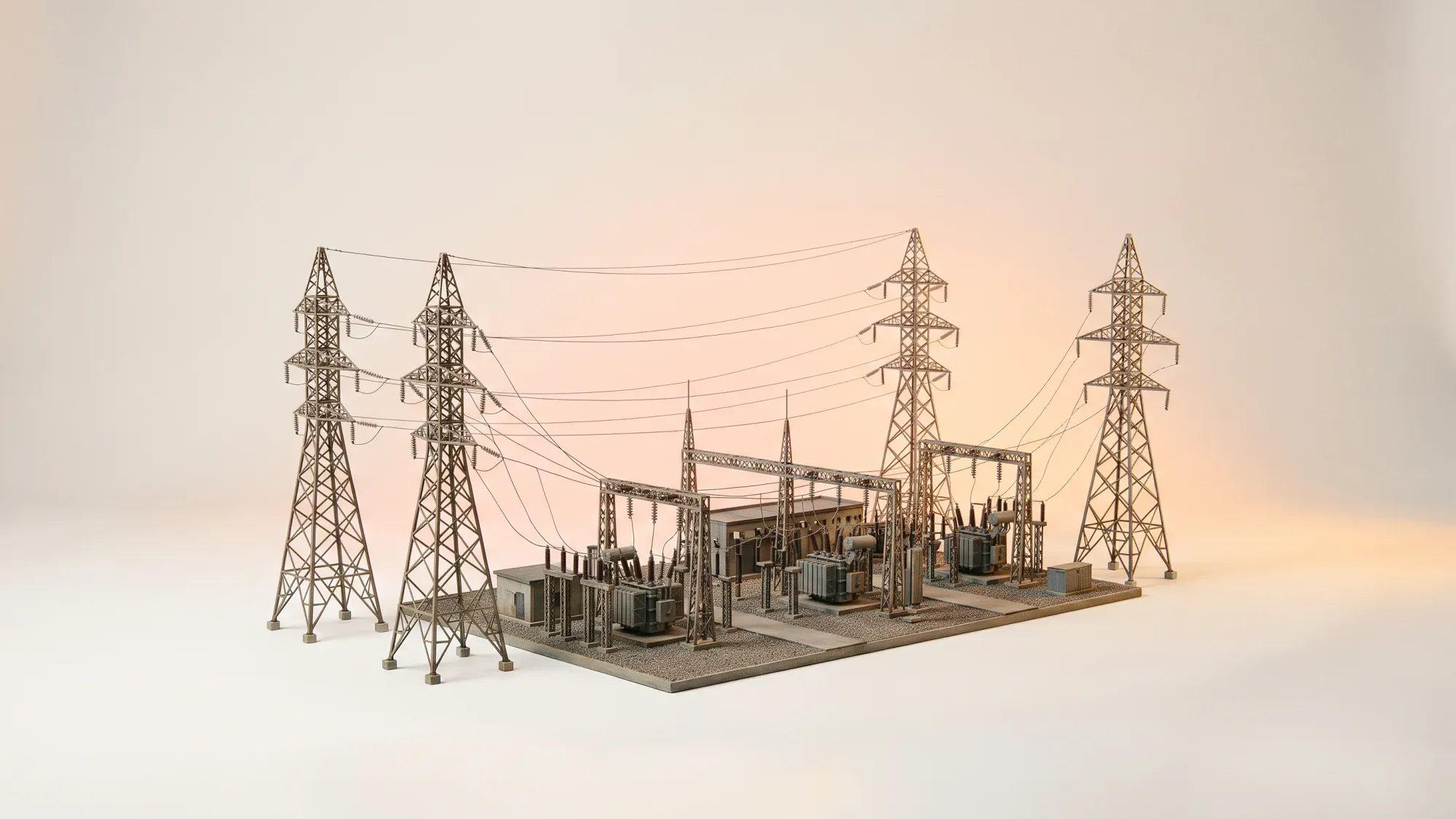
The National Energy System Operator (NESO) recently issued an electricity margin notice, a "precautionary measure" to encourage more back-up power generation for Tuesday evening1. This action was taken to ensure sufficient headroom between electricity demand and supply, as NESO anticipated a system margin shortfall of 1,880 MW between 3pm and 11pm. While this might sound concerning, NESO clarified that the notice does not indicate imminent power cuts or insufficient generation, assuring that "There is no risk to customer electricity supplies, this is not a warning of power cuts, customers do not need to take action and Great Britain’s electricity system remains secure." This guide explores what these notices mean and how modern backup solutions can offer homeowners greater energy resilience.
For homeowners looking to enhance their energy resilience and gain more control over their home's power supply, understanding grid operations and available backup solutions is key. Fuse Energy is committed to providing clear information and innovative solutions to help you manage your energy effectively. Click here to switch to Fuse Energy.
Enter your address to get a quote and see how much you could save
Understanding the UK electricity grid and margin notices
Keeping the lights on across Great Britain is a complex task, managed by dedicated operators who ensure a constant balance between the electricity generated and the electricity consumed.
What is the national energy system Operator (NESO)?
The NESO is the organisation responsible for balancing Britain’s electricity system. Its primary role is to balance electricity supply and demand in real time, ensuring the stability and security of the grid.
The purpose of an electricity margin notice
An electricity margin notice (EMN) is a precautionary measure issued by NESO to encourage additional generation capacity in the electricity market. It signals to market participants that NESO would like a greater safety cushion, or margin, between power demand and supply for a limited period. This allows power producers to increase generation if necessary, enhancing the grid's capacity.
NESO recently issued such a notice, anticipating a system margin shortfall of 1,880 MW between 3pm and 11pm. However, NESO explicitly stated that this notice does not indicate imminent power cuts or insufficient generation. A NESO spokesman confirmed it is "a routine and precautionary measure giving market participants the opportunity to make additional generation capacity available" and assured that "there is no risk to customer electricity supplies, this is not a warning of power cuts, customers do not need to take action and Great Britain’s electricity system remains secure". EMNs are a normal part of how NESO communicates with the market to maintain system security.
Why grid security matters for homeowners
While NESO's notices are not a cause for alarm, they highlight the delicate balance of the electricity grid. For homeowners, grid security translates directly into reliable power for daily life. Concerns about potential outages, whether due to grid fluctuations, severe weather, or other unforeseen events, are leading more people to consider backup power solutions. These solutions offer a way to maintain essential services and comfort, providing a sense of control over their home's energy supply.
Why homeowners consider electricity grid back-up power
The desire for reliable power goes beyond mere convenience; it touches on comfort, safety, and financial prudence. Homeowners are increasingly exploring options to secure their electricity supply.
Peace of mind during outages
Unexpected power cuts can be disruptive and stressful. Having a reliable backup power system provides peace of mind, knowing that essential services will continue to function even if the main grid goes down. This is particularly valuable for families, those with medical needs, or individuals working from home.
Protecting critical home systems
Many modern homes rely on electricity for crucial functions. Refrigerators and freezers keep food fresh, heating systems maintain warmth, and medical equipment often requires an uninterrupted power supply. Backup power ensures these critical systems remain operational, preventing discomfort, potential health risks, and financial losses from spoiled food.
Increasing energy independence
Beyond simply reacting to outages, backup power solutions contribute to greater energy independence. By generating and storing their own electricity, homeowners can reduce their reliance on the grid, potentially lowering their energy bills and shielding themselves from fluctuating prices. This shift empowers individuals to become more active managers of their home's energy consumption.
Traditional vs modern back-up power solutions
The landscape of home backup power has evolved significantly, offering more choices than ever before. From conventional generators to advanced battery and solar systems, each option comes with its own set of advantages and disadvantages.
Generators: pros and cons
Traditional generators typically run on fossil fuels like petrol, diesel, or propane, providing a direct source of electricity during an outage. They are known for their strong output and reliability, capable of powering a significant portion of a home's electrical load. Portable generators are often more affordable upfront and can be moved, making them suitable for temporary needs. Standby generators offer a more robust, automatic solution, connecting directly to the home's electrical system.
However, generators come with several drawbacks. They can be noisy, produce exhaust fumes (requiring careful outdoor placement and ventilation), and need regular maintenance and a steady supply of fuel. The storage of fuel can also be a concern, and their environmental impact is higher compared to renewable alternatives.
Home battery storage systems
Home battery storage systems store electricity for later use, acting like a large power bank for your home. They can charge from the grid during off-peak hours when electricity is cheaper, or from renewable sources like solar panels, then discharge that energy when demand is high or during an outage.
What are the main benefits of home battery storage?
Home battery storage systems offer several benefits, including lower electricity bills by using cheaper off-peak power, increased use of self-generated solar energy, and reduced reliance on the grid during peak times. They also provide backup power during outages, contributing to energy security and a lower carbon footprint.
These systems are quiet, clean, and require minimal maintenance. They integrate seamlessly with smart home technologies and can help homeowners manage their energy costs more effectively by shifting consumption away from expensive peak periods.
Solar panels with battery back-up
Combining solar panels with battery storage offers an integrated solution for maximum energy independence. During the day, solar panels generate electricity, which can power the home directly, with any excess charging the battery. This stored energy can then be used in the evening or during power cuts, significantly increasing self-consumption of renewable energy and reducing reliance on grid electricity. This setup not only provides backup power but also contributes to a lower carbon footprint and long-term savings on electricity bills.
Plug-in solar and battery options
For those seeking more accessible entry points into home energy generation, plug-in solar panels offer a solution. A new statutory instrument, SI 2026/848, has legalised compliant standalone plug-in solar kits in the UK since 27 August 2026. These systems, typically up to an 800W AC export limit, can be plugged into a standard BS 1363 socket, requiring no electrician or permanent installation. This makes them a viable option for renters or those without suitable roof space for traditional solar.
It is important to note that while plug-in solar is now legal under SI 2026/848, this legislation does not cover plug-in batteries or hybrid solar-battery kits. These systems are not permitted to be connected via a standard plug under the current regulations.
Key considerations when choosing a back-up system
Selecting the right backup power solution requires careful thought about your household's specific needs and circumstances.
Assessing your power needs
Before investing in any system, it's crucial to assess what you need to power during an outage. The average UK home uses around 2,500 kWh of electricity per year. However, your critical needs might be much lower. Consider which appliances are essential (e.g., refrigerator, lighting, Wi-Fi, medical devices) and for how long you need them to run. This assessment will help determine the necessary capacity and power output for your backup system.
Installation and maintenance
The complexity and cost of installation vary significantly between systems. Plug-in solar kits are designed for self-installation, while wired battery storage systems and standby generators require professional installation. Maintenance requirements also differ; generators need regular servicing and fuel, whereas battery systems are generally low-maintenance.
Cost and long-term value
The initial investment for backup power solutions can range widely. Generators often have a lower upfront cost but higher running costs due to fuel consumption and maintenance. Battery storage and solar-plus-battery systems typically have a higher initial outlay but offer long-term savings through reduced electricity bills and minimal ongoing costs. Consider the total cost of ownership over the system's lifespan.
Environmental impact
For environmentally conscious homeowners, the choice of backup power is significant. Fossil-fuel generators contribute to emissions, while solar and battery systems offer a cleaner, more sustainable alternative. Opting for renewable-integrated solutions aligns with efforts to reduce your carbon footprint and support the UK's net-zero ambitions.
Navigating regulatory requirements in the UK
Installing any form of electricity generation or storage in your home involves certain regulatory steps to ensure safety and grid stability.
DNO notification (G98) for microgeneration
For microgeneration systems like solar panels and battery storage, homeowners or their suppliers must notify the Distribution Network Operator (DNO) under Engineering Recommendation G98. This notification must be completed within 28 days of installation. The DNO needs to be aware of any generation connected to its network to ensure safety and prevent issues with grid stability.
Safety standards and compliance
All electrical installations in the UK must comply with relevant safety standards. For plug-in solar, the new SI 2026/848 specifically addresses safety requirements, mandating compliance with an Interim Product Specification for connection via a standard BS 1363 plug. For larger, wired systems, professional installation by certified electricians ensures adherence to national electrical regulations.
Plug-in solar legislation (SI 2026/848)
SI 2026/848 has been in effect since 27 August 2026, legalising compliant standalone plug-in solar systems. This legislation permits connection via a standard BS 1363 plug, with an 800W AC export limit per device. It's crucial to remember that this legislation specifically covers standalone plug-in solar. Plug-in batteries and hybrid solar-battery kits are not covered by SI 2026/848 and cannot be legally connected via a standard plug under this regulation.
Enhancing home energy resilience with Fuse Energy
Managing your home's energy, especially with backup solutions, should be straightforward and empowering. Fuse Energy offers clear pricing, real-time usage data through our app, and 24/7 human customer support to help you navigate your energy choices. We believe in building a future where energy is abundant and reliable, giving you the power to play with.
Switching to Fuse Energy is quick and easy, allowing you to take control of your bills and contribute to a more resilient energy future from day one. Click here to switch to Fuse Energy today. You can also learn more about our mission to make energy abundant by clicking here.
References
- Welwyn Hatfield Times. Electricity grid Operator asks market for more back-up power generation
Disclaimer
For the avoidance of doubt, this article is provided for informational purposes only and is not intended to constitute legal or financial advice. The author and/or Fuse Energy shall not be responsible for any losses arising out of any reliance on the information contained herein.