EV charging costs set to rise with new UK taxes
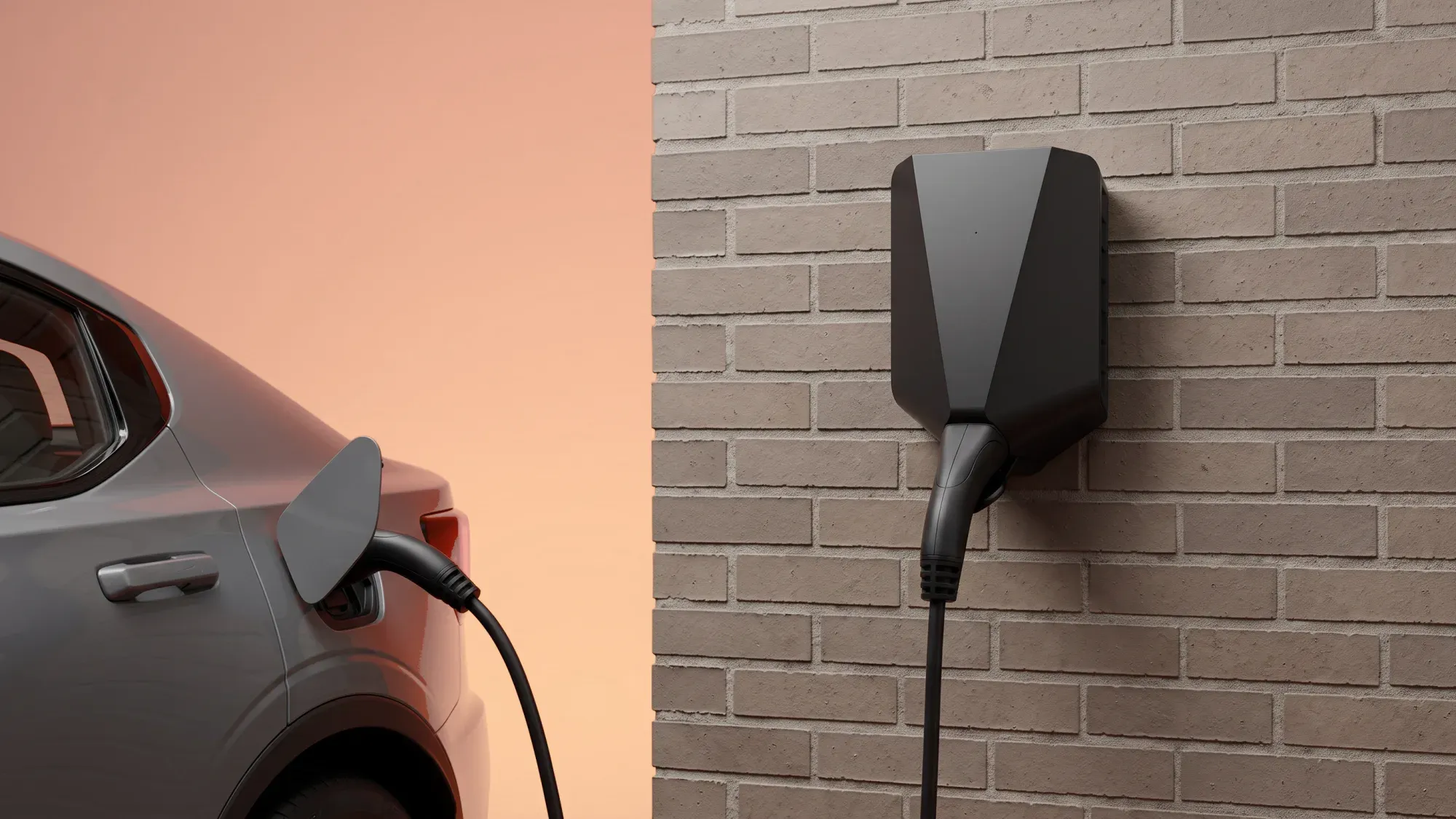
Electric vehicle (EV) charging costs in the UK are set to increase, with new taxes and charges on the horizon. This shift means current and prospective EV owners need to understand and manage their charging expenses more carefully than ever.
Looking to upgrade your home setup? Fuse Energy installs the Easee One smart home EV charger for a flat £899 including full installation, up to 15m of cabling, surge protection, and a 3-year warranty. Tap the quote button below to get started.
Understanding current EV charging costs
The cost of charging an electric car in the UK varies significantly depending on where and how you charge. Home charging remains the most economical option, while public charging networks offer convenience at a higher price.
Home charging: the most economical option
Charging your EV at home is typically the most cost-effective method. For a Direct Debit customer on the Ofgem price-cap default tariff, electricity costs 26.11 pence per kilowatt-hour (kWh) from 1 July to 30 September 2026, inclusive of 5% VAT. The average UK home uses around 2,500 kWh of electricity per year. By utilising off-peak tariffs, often available overnight, EV owners can further reduce their per-kWh cost, making home charging substantially cheaper than public alternatives.
Public charging: speed, convenience, and variable prices
Public charging networks offer essential convenience, especially for longer journeys or for those without home charging access. However, these come at a higher price point. Costs can fluctuate widely based on the network, charging speed (rapid, fast, or slow), and location. Some networks, like Be.EV, have introduced monthly passes to help mitigate these costs for frequent users. Rural areas often face higher connection costs for new charging stations, making them "commercially unviable" and impacting infrastructure development.
The impact of upcoming UK policies and taxes
The UK government is introducing new policies that will increase the running costs for electric vehicles. These changes are part of a broader transition and aim to replace lost fuel duty revenue as more drivers switch to EVs.
Vehicle Excise duty reintroduction
From April 2025, Vehicle Excise Duty (VED), commonly known as road tax, will be reintroduced for electric vehicles. EVs have historically been exempt from VED to encourage adoption, but as the number of electric cars on the road grows, this exemption is being phased out. This will add an annual cost to EV ownership, bringing it in line with petrol and diesel vehicles.
The future of pay-per-mile taxation
Looking further ahead, a new pay-per-mile tax for battery electric and plug-in hybrid vehicles is scheduled for introduction from April 2028. This policy aims to ensure that all motorists contribute to road maintenance and usage, regardless of their vehicle's fuel type. The rates will be 3p per mile for battery electric and hydrogen fuel cell vehicles, and 1.5p per mile for plug-in hybrids, with these rates increasing with inflation from 2029 onwards.
Cumulative cost concerns for EV drivers
Major EV charging networks, such as Be.EV, have voiced concerns that the "cumulative cost of policies" could deter drivers from making the switch to electric cars.1 A spokesperson highlighted that "price plays a huge part" in ordinary motorists' decisions, suggesting that the timing and combined impact of VED reintroduction and a pay-per-mile tax could be critical for the EV transition in the UK. The Be.EV team commented, "We need to be careful about the timing and the cumulative impact on drivers. We're approaching a really important point in the EV transition".
Strategies for reducing your EV charging expenses
Despite rising costs, EV owners have several strategies to manage and reduce their charging expenses. Proactive planning and smart technology can significantly offset the impact of new taxes and variable public charging rates.
Maximising home charging with smart tariffs
Home charging remains the most cost-effective option. Utilising smart dual-rate tariffs that offer cheaper electricity during off-peak hours, typically overnight, can drastically reduce your charging costs. These tariffs allow you to charge your EV when demand on the grid is lower and electricity is cheaper. Fuse Energy's dual-rate variable tariffs, for example, are designed to provide customers with the capability to control and optimise home charging costs, especially during these off-peak periods.
Investing in a home EV charger
Installing a dedicated home EV charger offers convenience and can unlock further savings. While there are initial installation costs, the long-term benefits often outweigh them. Fuse Energy installs the Easee One smart home EV charger for £899, including full installation (up to 15m of cabling), surge protection, and a 3-year warranty. This investment helps build a resilient personal energy system, reducing reliance on more expensive public charging infrastructure.
What are the benefits of a home EV charger?
A home EV charger provides convenience, faster charging speeds than a standard socket, and the ability to utilise cheaper off-peak electricity tariffs. It reduces reliance on public charging networks, which often have higher per-kWh costs, and offers greater control over your charging schedule and expenditure.
Navigating public charging networks
When public charging is necessary, strategic choices can help manage costs. Research different charging networks and their pricing structures. Some networks offer subscription models or monthly passes, which can provide better value for frequent users. For example, Be.EV has launched monthly passes like the Go Pass (£49amonth for 120kWh) and the Go Further Pass (£89amonth for 250kWh). Planning routes to incorporate cheaper charging points or utilising apps that compare prices can also lead to savings.
Building a resilient charging strategy
As the EV landscape evolves, building a resilient charging strategy is key to future-proofing your electric vehicle ownership. This involves embracing smart technology and proactive financial planning.
The role of smart technology
Smart charging technology, both in your vehicle and through your home charger, allows for automated charging during the cheapest periods. This not only saves money but also supports grid stability by shifting demand away from peak times. Investing in smart technology empowers EV owners to maintain control over their energy expenditure, even as external costs rise.
Future-proofing your EV ownership
Future-proofing involves anticipating upcoming policy changes and adapting your charging habits accordingly. By maximising home charging efficiency and exploring smart energy solutions, EV owners can minimise the impact of new taxes like VED and pay-per-mile charges. This proactive approach ensures that the financial benefits of EV ownership remain compelling.
Looking to upgrade your home setup? Fuse Energy installs the Easee One smart home EV charger for a flat £899 including full installation, up to 15m of cabling, surge protection, and a 3-year warranty. Tap the quote button below to get started.
References
Disclaimer
For the avoidance of doubt, this article is provided for informational purposes only and is not intended to constitute legal or financial advice. The author and/or Fuse Energy shall not be responsible for any losses arising out of any reliance on the information contained herein.