Electric hobs: cut costs, cool kitchens, clean air
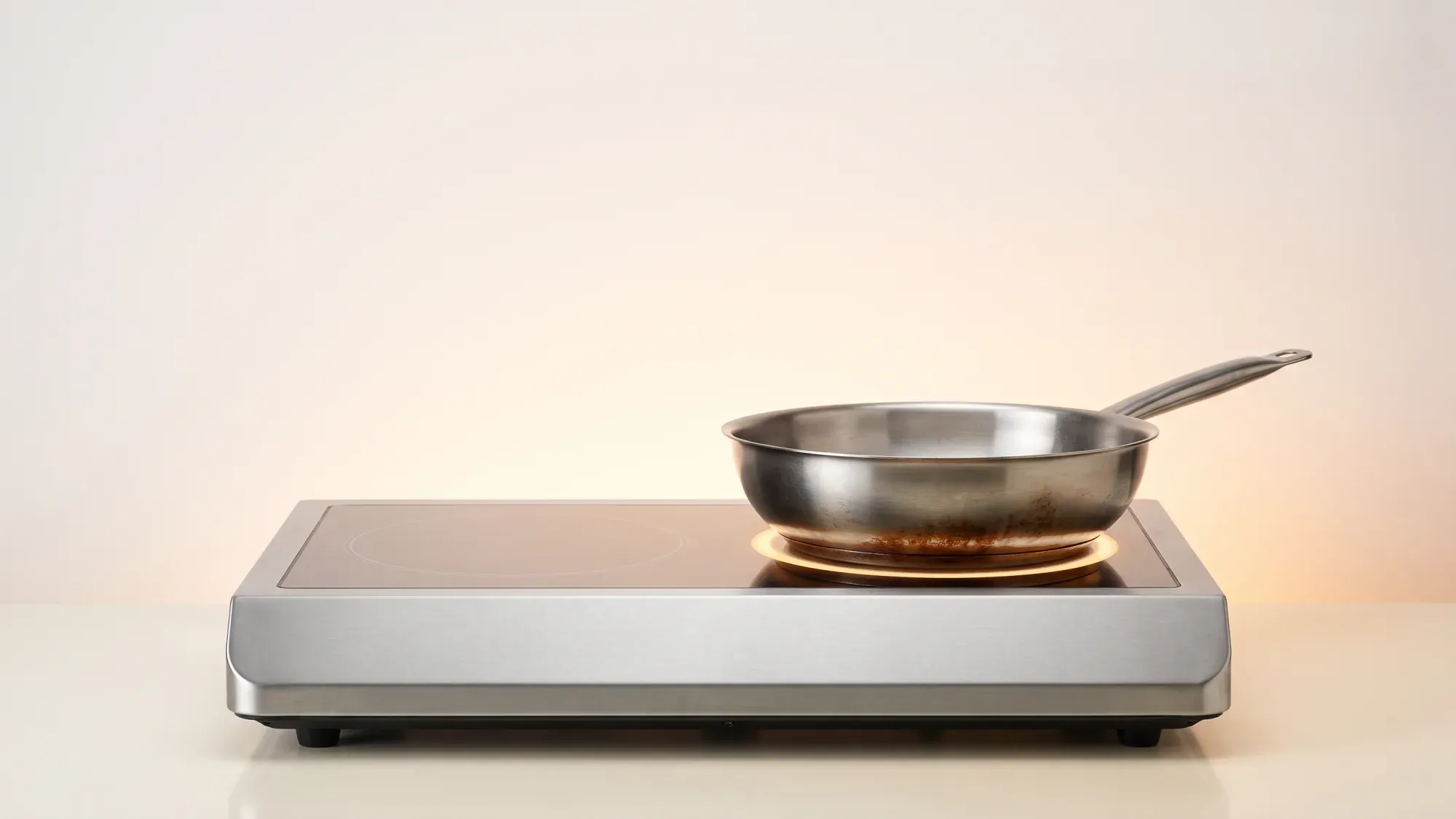
Switching to an electric kitchen hob can significantly change how you cook, offering benefits from improved energy efficiency to a more comfortable kitchen environment. For homeowners, understanding the different types of electric hobs, their running costs, and installation needs is key to making an informed choice.
Embracing electric cooking can lead to a more efficient and comfortable home. Fuse Energy is committed to helping you manage your energy use effectively. Click here to switch to Fuse Energy today and start your journey towards smarter energy.
Enter your address to get a quote and see how much you could save
Types of electric kitchen hobs explained
Electric hobs come in several forms, each with distinct characteristics affecting performance, efficiency, and cost.
Induction hobs: efficiency and speed
Induction hobs are often considered the most advanced electric option, using electromagnetic fields to heat cookware directly. This method means the hob surface itself stays relatively cool, only warming from residual heat transferred from the pan. This direct heating results in rapid cooking times and exceptional energy efficiency, making them significantly faster than gas or traditional electric hobs for tasks like boiling water. However, they require compatible cookware with magnetic bases.
Ceramic hobs: style and functionality
Ceramic hobs feature heating elements beneath a smooth glass surface. These elements heat up and transfer warmth through the glass to your pan. Ceramic hobs offer a sleek, modern look and are easy to wipe clean due to their flat surface. They are compatible with all types of flat-bottomed cookware. While generally more affordable upfront than induction, ceramic hobs are less efficient, as they heat the entire cooking zone and the glass surface, losing more energy to the surrounding air. Most models include residual heat indicators to warn when the surface is still hot after use.
Solid plate hobs: traditional and robust
Solid plate hobs are a more traditional electric option, featuring sealed cast iron or steel plates that heat up when powered. These hobs are valued for their durability and consistent heat distribution. They are typically the most affordable electric hob to purchase. However, solid plate hobs are slower to heat up and cool down compared to ceramic or induction models, and they are generally less energy-efficient as they rely on direct heat conduction. They are compatible with all types of cookware.
The energy efficiency advantage of electric hobs
Electric hobs, particularly induction models, offer significant advantages in energy efficiency, directly impacting running costs and kitchen comfort.
Induction vs gas: a clear winner for efficiency
Induction hobs are remarkably energy-efficient, typically converting 85-90% of energy into heat for cooking. This is a substantial improvement over ceramic hobs, which manage around 65-75% efficiency, and gas hobs, which sit at roughly 40-55%. The direct heating mechanism of induction means very little energy is wasted, leading to quicker cooking and lower overall energy consumption.
Chefs are increasingly adopting electric induction hobs over traditional gas, driven by the need to combat "furnace-like" kitchen conditions during heatwaves and improve operational efficiency1. Jeremy Pang, founder of the School of Wok, noted, "We have found that we can get just as high temperatures, and just as good cooking, with electric."
While the unit price for gas has historically been lower than electricity, the superior efficiency and faster cooking times of induction hobs mean that the annual running cost difference between gas and induction is often minimal for typical UK households. Switching from gas to an electric induction hob can lead to substantial savings on energy bills and reduced carbon emissions over time.
Reducing kitchen heat and improving air quality
One of the most immediate benefits of electric induction hobs is their impact on the kitchen environment. They can reduce kitchen temperatures by up to 10°C compared to traditional gas hobs, as induction cookers only heat the food in the pans, not the surrounding air. This creates a cooler, more comfortable, and safer space for cooking. Ellen Chew of Rasa Sayang highlighted an "unexpected benefit" that "The whole atmosphere and environment is different now, it's super quiet."
Beyond temperature, electric hobs significantly improve indoor air quality. Gas cooking releases harmful pollutants such as nitrogen dioxide (NO2) and carbon monoxide, which can exceed recommended indoor limits, particularly in poorly ventilated kitchens. Research has found that NO2 concentrations were, on average, almost twice as high in homes that cooked with gas compared to those using electric appliances. Induction hobs produce zero direct emissions, making them a healthier choice for indoor air quality and reducing the risk of respiratory issues. The absence of an open flame also removes the risk of gas leaks associated with gas appliances and makes for a quieter cooking experience.
Long-term cost savings and environmental benefits
The shift to electric hobs, especially induction, offers long-term financial and environmental advantages. Their high energy efficiency translates directly into lower running costs over the appliance's lifespan. This is particularly relevant as the UK moves towards electrification and net-zero targets, with incentives increasingly favouring electric infrastructure.
For context, the average UK home uses around 2,500 kilowatt-hours (kWh) of electricity per year. By choosing an energy-efficient electric hob, you can contribute to reducing your overall household energy consumption. This not only helps manage personal energy bills but also supports broader efforts to reduce carbon emissions associated with energy generation.
Installation and electrical considerations for electric hobs
While the benefits of electric hobs are clear, proper installation is crucial for safety and optimal performance.
Understanding power requirements and dedicated circuits
Electric hobs, particularly induction and many ceramic models, are powerful appliances that draw a significant electrical load. Most domestic hobs range from 3.5kW to 7.4kW. To ensure safe operation and comply with UK wiring regulations, these hobs typically require their own dedicated cooker circuit wired directly from the consumer unit. This circuit needs correctly sized cabling (often 6mm² or 10mm²) and a properly rated breaker or RCBO (usually 32A or 40A). A 45A double pole cooker switch, located within two metres of the hob, is also necessary for isolation.
The importance of professional installation for safety
Attempting to plug a high-power electric hob into a standard household socket can overload the circuit, trip the fuse board, or, in the worst case, create a fire hazard. Therefore, it is crucial that electric hobs are installed by a qualified electrician to BS 7671 standards. An electrician can assess your existing electrical supply, determine if your consumer unit needs upgrading, and ensure the hob is safely and correctly connected. This professional approach guarantees compliance with safety regulations and the optimal performance of your new appliance.
Optimising your electric hob with smart energy solutions
For Fuse, embracing electric cooking aligns with our 'power play' philosophy for your kitchen. Smart energy solutions can help you maximise its benefits.
Monitoring usage with the Fuse app
Understanding your energy consumption is the first step to optimising it. The Fuse app can help you monitor your overall electricity usage, which includes the energy consumed by your electric hob. By providing clear insights into your consumption patterns, the app empowers you to identify when and how you use the most energy, allowing for more informed decisions about your cooking habits.
Leveraging off-peak tariffs for cost-effective cooking
Combining an energy-efficient electric hob with smart energy tariffs can lead to further cost savings. Fuse offers dual-rate tariffs that can help you make the most of cheaper, off-peak electricity rates, provided you have a compatible smart meter or multi-register meter. By shifting some of your cooking to these times, you can reduce your energy bills and make your electric hob even more cost-effective. This approach aligns with Fuse's vision of a future with power to play with, where homeowners have greater control over their energy use and costs.
Ready to take control of your home energy? Switching to Fuse Energy is quick and easy, giving you access to clear pricing, real-time usage data, and 24/7 human customer support. Join the energy revolution and discover a future with power to play with. Click here to switch to Fuse Energy today. Find out more about our mission by clicking here.
References
Disclaimer
For the avoidance of doubt, this article is provided for informational purposes only and is not intended to constitute legal or financial advice. The author and/or Fuse Energy shall not be responsible for any losses arising out of any reliance on the information contained herein.