DNO network reinforcement
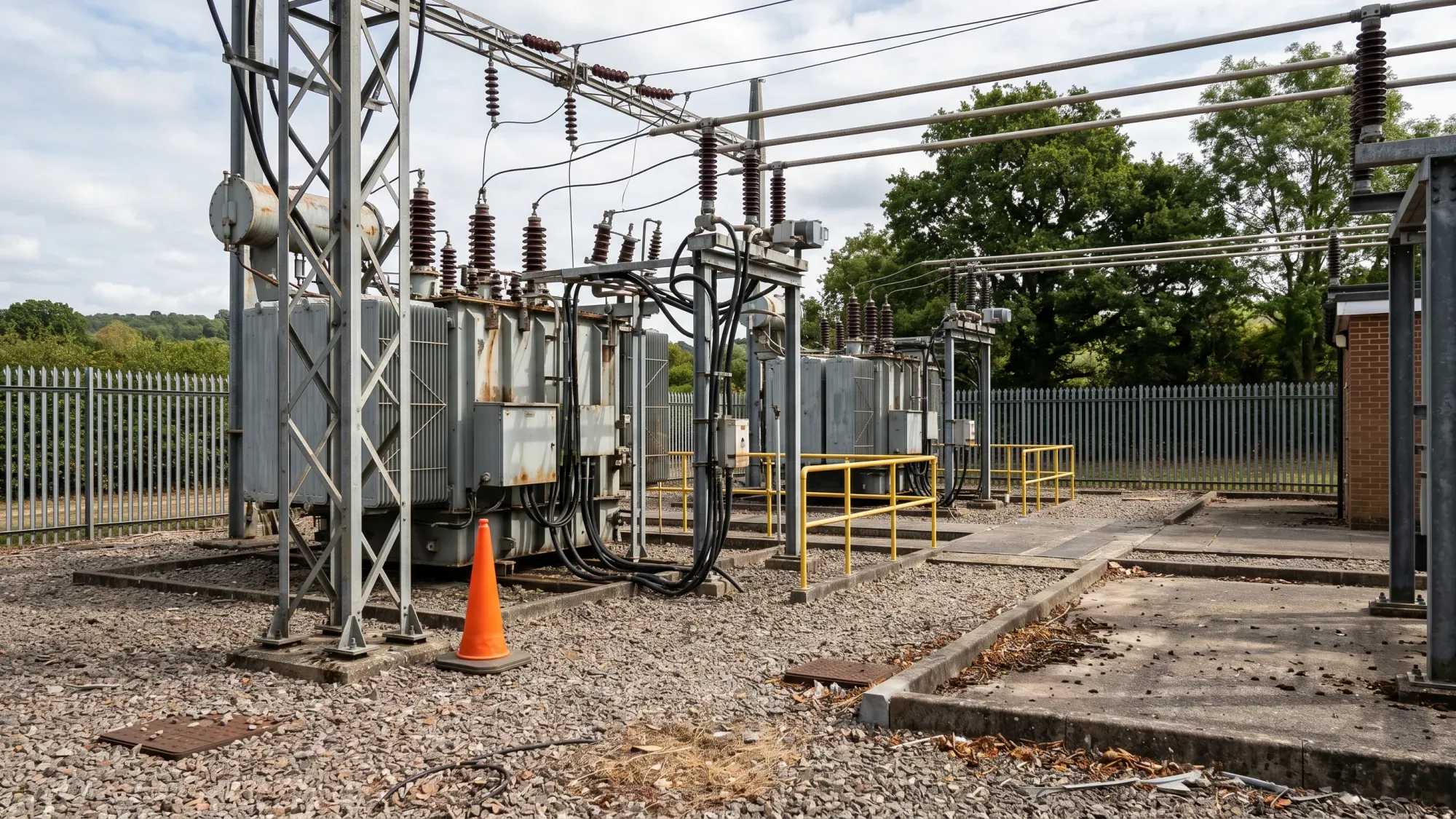
UK Distribution Network Operators (DNOs) are at a pivotal moment, facing unprecedented demands to upgrade and expand the country's electricity grid. This isn't merely about incremental improvements; it's about fundamentally reshaping energy infrastructure to meet the challenges of rapid electrification, climate change, and ambitious net-zero targets. The shift from reactive maintenance to strategic, anticipatory investment is not just a regulatory requirement but an economic and environmental imperative.
Ensuring the UK's energy infrastructure is robust and ready for the future is crucial. At Fuse Energy, we're committed to building a modern energy system that delivers abundant, clean power to your home. Click here to switch to Fuse Energy.
Enter your address to get a quote and see how much you could save
The critical juncture for UK DNOs
Many UK energy sector professionals searching for guidance on Distribution Network Operator (DNO) network reinforcement are grappling with a fundamental question: how do we build a future-ready grid that can handle tomorrow's energy demands today? The answer lies in understanding the urgency and scale of the transformation required.
Why network reinforcement is more urgent than ever
The UK’s electricity distribution networks are entering a decisive period. Decades of incremental upgrades are no longer sufficient to support the accelerating energy transition. The grid, originally designed for a centralised, fossil-fuel-dominated system, must now adapt to distributed renewable generation, fluctuating demand patterns, and the widespread adoption of electric technologies. This demands a proactive approach to network reinforcement, moving beyond simply patching existing infrastructure to strategically building capacity for the future.
The electrification challenge and energy demand growth
The push for electrification across transport and heating is a primary driver for this urgency. Electric vehicles (EVs) and heat pumps are rapidly becoming mainstream, placing significant new loads on local distribution networks. For context, the average UK home uses around 3,800 kWh of electricity per year. As more homes adopt EVs and heat pumps, this necessitates substantial upgrades to local substations, cables, and transformers. Without anticipatory investment, the existing infrastructure risks becoming a bottleneck, hindering the UK's progress towards its net-zero goals and potentially leading to localised grid instability.
Regulatory drivers: Ofgem's RIIO-ED3
Navigating the regulatory landscape is crucial for DNOs, with Ofgem's Revenue = Incentives + Innovation + Outputs (RIIO) framework setting the stage for the next phase of investment.
Understanding the RIIO-ED3 framework
Ofgem's RIIO framework is the regulatory mechanism that determines how much DNOs can spend and what they are expected to deliver. RIIO-ED3, specifically for electricity distribution, is set to begin in April 2028 and will cover the period until March 2033. It aims to incentivise DNOs to deliver value for money for consumers, facilitate the energy transition, and ensure network resilience. This framework moves DNOs away from a pure cost-recovery model towards one that rewards efficiency, innovation, and long-term strategic planning.
Mandates for robust and long-term investment strategies
Under RIIO-ED3, DNOs must demonstrate robust, deliverable and long-term investment strategies that provide value for consumers while enabling the energy transition. This isn't just about meeting current demand; it's about forecasting future needs, integrating new technologies, and planning for a grid that can support a fully decarbonised economy. Compliance with these regulatory requirements is paramount for DNOs to secure the necessary funding and implement their reinforcement programmes effectively.
What is Ofgem's RIIO-ED3 framework?
Ofgem's RIIO-ED3 framework is a regulatory mechanism for UK electricity Distribution Network Operators (DNOs) from April 2028 to March 2033. It sets investment limits and performance incentives, mandating DNOs to deliver value for consumers and enable the energy transition through robust, long-term strategies.
Strategic imperatives for network reinforcement
Beyond regulatory compliance, DNOs must embrace several strategic imperatives to build truly future-ready networks.
Building climate resilience into energy infrastructure
The increasing frequency and intensity of extreme weather events underscore the urgent need for climate resilience in energy infrastructure. John Mullen, Director at Arup, highlights that "Resilience is not just about asset adaptations for weather, it’s about understanding how whole systems, including organisations themselves, behave under stress and investing accordingly."1 Investment in climate resilience is a critical component, contributing to energy supply chain resilience. This means designing networks that can withstand floods, storms, and heatwaves, but also developing operational strategies that ensure rapid recovery and minimise disruption to consumers.
Integrating sustainable design and social value
Modern network reinforcement projects must go beyond purely technical considerations. Integrating sustainable design principles, such as whole life carbon reduction and the use of nature-based solutions, can minimise environmental impact. Furthermore, DNOs are increasingly expected to demonstrate social value in energy projects, ensuring that investments deliver tangible benefits for communities through inclusive and resilient design, local employment and skills development. This holistic approach builds public trust and secures long-term support for essential infrastructure upgrades.
The role of anticipatory network upgrades
Reactive upgrades, which address network constraints only after they occur, are no longer sustainable. Anticipatory network upgrades, driven by sophisticated forecasting and modelling, are essential to stay ahead of demand growth. This involves investing in smart grid development, energy asset management, and upgrading infrastructure before it becomes a limiting factor. Such proactive investment allows for more efficient planning, reduces disruption, and ultimately delivers better value for consumers.
Overcoming implementation challenges
Delivering the scale of DNO network reinforcement required is a complex undertaking, fraught with technical, logistical, and financial challenges.
Delivering complex capital programmes
The sheer scale of investment required means DNOs must manage highly complex capital programmes. This involves coordinating numerous projects, managing diverse stakeholders, and navigating intricate planning and permitting processes. Minimising disruption to communities and businesses during these extensive works is a significant challenge, requiring careful planning and innovative construction techniques. Effective project management and strong supply chain engagement are crucial for successful delivery.
Innovation in supply chain and asset management
Innovation is not limited to technology; it extends to the supply chain and asset management. DNOs need to foster innovative supply chain approaches to ensure the availability of materials and skilled labour, particularly given the global demand for energy infrastructure components. Advanced energy asset management techniques, leveraging data analytics and digital twins, can optimise maintenance schedules, predict failures, and extend the lifespan of existing assets, thereby making reinforcement investments more efficient.
A new paradigm for a future-ready grid
The challenges facing UK DNOs are significant, but they also present an opportunity to build a truly future-ready electricity grid.
Beyond reactive upgrades: a holistic approach
The future of UK power distribution demands a paradigm shift: moving beyond incremental, reactive upgrades to a holistic, strategic approach. This involves a comprehensive understanding of energy demand growth, climate resilience, and the integration of renewable energy. It means viewing the grid not as a static collection of assets, but as a dynamic, evolving system that underpins the UK energy transition and net-zero ambitions.
Enabling the UK's net-zero ambitions
Ultimately, robust DNO network reinforcement is fundamental to enabling the UK's net-zero ambitions. A modernised, resilient, and expanded grid is the backbone for widespread electrification, renewable energy integration, and the deployment of smart technologies. Fuse Energy's strategic vision involves rebuilding the energy system from scratch, including acquiring and modernising grid infrastructure. This long-term approach aims to optimise the entire energy stack, aligning with the broader need for DNO reinforcement to move beyond managing scarcity towards proactively building capacity for massive clean energy integration. Fuse's focus is on enabling an abundant energy future, ultimately benefiting consumers and accelerating the journey to a sustainable energy network.
Managing your home's energy should be straightforward and efficient. Fuse Energy offers clear pricing, real-time usage data through our app, and 24/7 human customer support to help you take control of your energy bills. We're building the infrastructure for an abundant energy future, and you can be a part of it. Click here to switch to Fuse Energy today. Discover more about our mission to deliver abundant, clean energy by clicking here.
References
Disclaimer
For the avoidance of doubt, this article is provided for informational purposes only and is not intended to constitute legal or financial advice. The author and/or Fuse Energy shall not be responsible for any losses arising out of any reliance on the information contained herein.