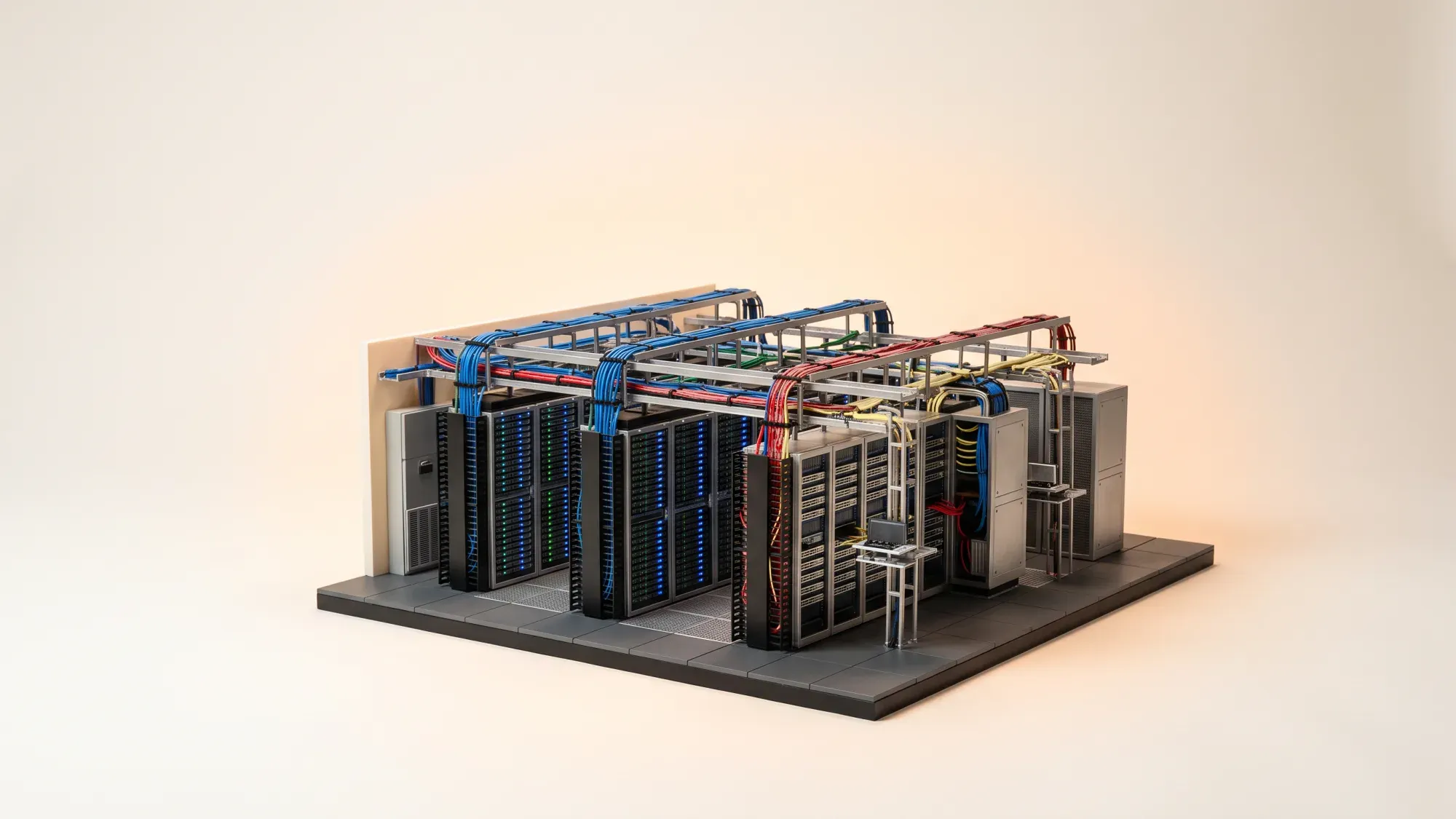
Data centres in the UK and US currently consume 6% of the electricity supply1, according to new research reported by The Guardian. This figure highlights the rapidly escalating energy demands of the technology sector, significantly driven by the burgeoning field of artificial intelligence (AI). While this growth presents challenges for electricity grids and environmental sustainability, it also underscores the need for innovative approaches to energy management and a forward-looking vision for abundant, clean power.
Thinking about your home's energy use? Fuse Energy offers transparent pricing, 24/7 human customer support, and a modern energy experience designed around you. If you have a smart meter, you can view real-time usage data through the app or website. Click here to switch to Fuse Energy today.
The digital infrastructure underpinning our modern lives, from cloud computing to streaming services, relies heavily on data centres. These facilities are now significant consumers of electricity, a trend that is only accelerating.
Current consumption figures in the UK and US
Data centres are the physical backbone of our digital world, housing the servers and infrastructure that power everything we do online. New research indicates that these facilities are consuming a substantial portion of national electricity supplies. Data centres in both the UK and US are currently using 6% of the electricity supply, according to a study reported by The Guardian.
The role of artificial intelligence in driving demand
Artificial intelligence (AI) is a primary driver behind the escalating energy demand from data centres. The computational power required for AI models, from training to inference, necessitates vast arrays of high-performance servers, which in turn consume immense amounts of electricity. The rapid integration of AI into various sectors means this demand is set to grow exponentially.
Future projections for energy use
The trajectory of data centre energy consumption points towards a significant increase in the coming years. This highlights the urgent need for strategic planning and innovation in energy supply and management to accommodate this growth.
The increasing electricity consumption of data centres has profound implications for national infrastructure and environmental sustainability.
Strain on national power supply
The concentrated energy demand from data centres places considerable strain on national electricity grids. The sheer volume of power required can challenge grid stability and capacity, necessitating systemic solutions to ensure a reliable supply for all sectors.
Carbon footprint of digital infrastructure
The environmental impact of data centres is a growing concern. While efforts are being made to power these facilities with renewable energy, the overall increase in electricity demand means a larger carbon footprint if not matched by clean energy generation.
Regulatory and policy considerations
Governments and regulatory bodies are increasingly scrutinising the energy consumption of digital infrastructure. Policy frameworks are evolving to encourage greater transparency, accountability, and sustainable practices within the data centre sector. This includes promoting energy efficiency and exploring options for integrating renewable energy sources to mitigate environmental impacts.
Addressing the energy challenge requires a multi-faceted approach, combining technological advancements with strategic planning.
Energy efficiency and optimisation
Improving energy efficiency within data centres is crucial. This involves optimising hardware, implementing advanced cooling systems, and utilising intelligent energy management software. These measures can reduce the power consumption of existing facilities, making their operations more sustainable.
Integrating renewable energy sources
Transitioning data centres to renewable energy sources is a key strategy for reducing their carbon footprint. This can involve direct procurement of renewable electricity, investing in off-site renewable projects, or even on-site generation. For context, a modern onshore wind turbine, typically 2 MW, can produce approximately 4,700 MWh (4,700,000 kWh) of electricity per year at a 27% capacity factor. This is enough to power around 1,900 average UK homes, which each use about 2,500 kWh annually. This demonstrates the significant potential of renewable energy to meet substantial demand.
Industry initiatives and best practices
The data centre industry is actively pursuing initiatives and best practices to enhance sustainability. These include developing industry standards for energy performance, promoting circular economy principles for hardware, and fostering collaboration to share knowledge and accelerate the adoption of green technologies.
The growing energy demands of data centres highlight a broader national need for a robust and sustainable energy system.
The need for systemic energy solutions
The challenge posed by data centre energy consumption extends beyond individual facilities; it calls for systemic solutions across the entire UK energy grid. This includes upgrading infrastructure, enhancing grid flexibility, and significantly increasing the capacity for clean energy generation. A resilient National Grid benefits all sectors, ensuring that critical digital infrastructure can operate without compromising supply for homes.
How residential energy innovation supports the wider grid
Fuse Energy's vision is to build a future with "power to play with," where energy is so abundant it stops being a concern. While Fuse is a residential energy supplier and does not offer commercial energy supply, its efforts to vertically integrate and rebuild the energy system for homes contribute to a more robust and resilient National Grid. Fuse's efforts to deploy utility-scale solar and storage, and optimise residential energy use, contribute to increasing the UK's clean energy generation capacity. This strengthens overall grid stability and the energy supply available to all users, indirectly supporting the digital economy.
The path forward for data centres involves a blend of policy, innovation, and collaboration to ensure sustainable growth.
Policy, innovation, and collaboration
Effective policy and regulatory frameworks are essential to guide the sustainable development of digital infrastructure. Coupled with continuous innovation in energy technologies and collaborative efforts across industry, government, and research institutions, these elements can drive progress towards a more energy-efficient and environmentally responsible data centre ecosystem.
The path to abundant, clean energy
The escalating energy demands of data centres, particularly those driven by AI, are not merely a challenge but an opportunity. They underscore the imperative to accelerate the transition to abundant, clean energy sources. By embracing this challenge, the UK can foster innovation, strengthen its energy independence, and build a future where digital progress and environmental sustainability go hand in hand.
Managing your home's energy bills should be clear and easy to understand. Fuse Energy focuses on transparent pricing, so you can see exactly what you're paying without unnecessary complexity. Our 24/7 human support team is always on hand with fast response times whenever you need help. Click here to switch to Fuse Energy today. Find out about our mission by clicking here.