EfW private wires cut data centre connection times by eight years
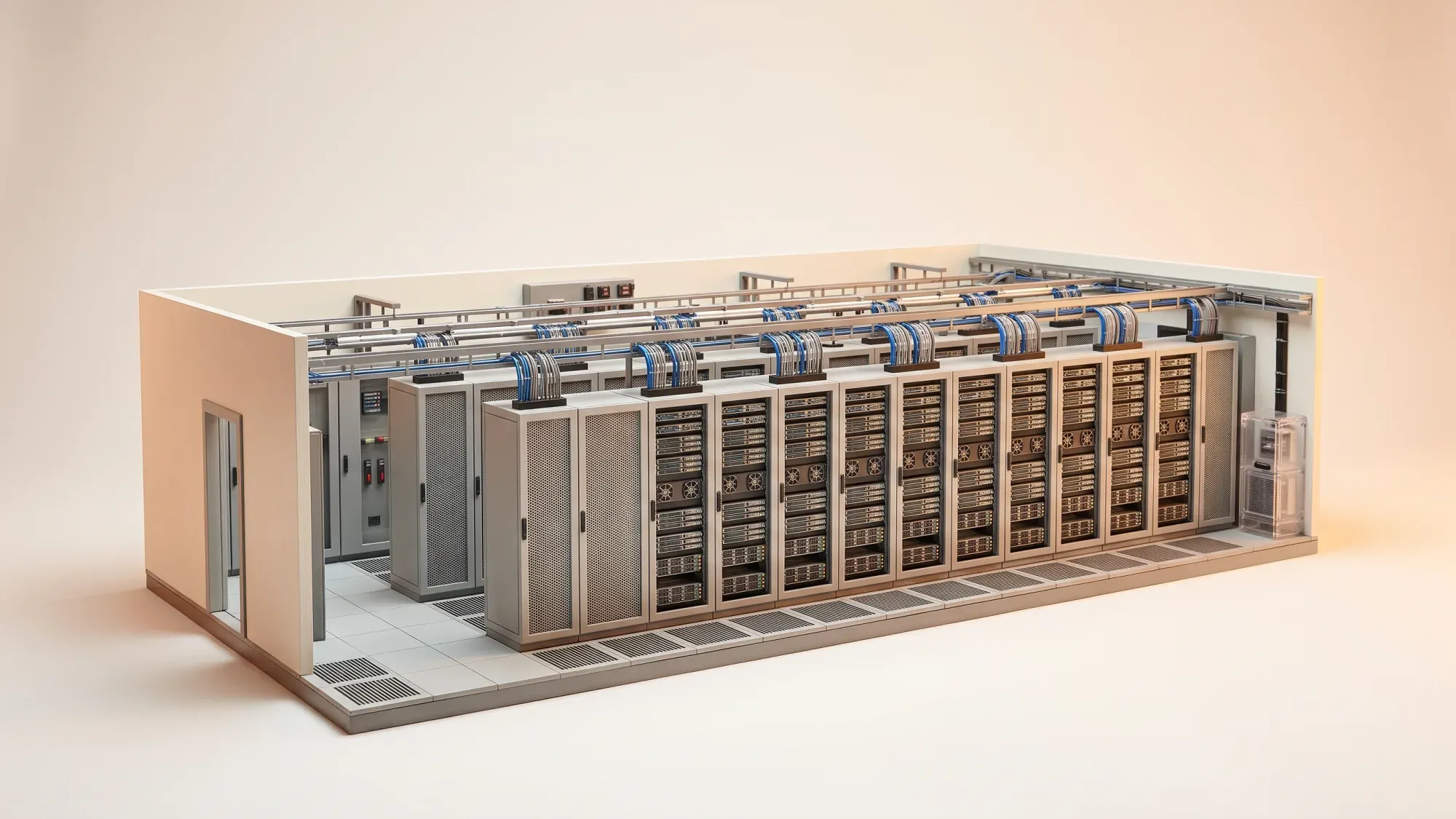
Securing timely, reliable, and cost-effective electricity connections is a significant hurdle for UK data centre operators and developers. Traditional grid connections can take up to a decade, creating bottlenecks for expansion. However, an innovative solution is emerging: private wire connections from Energy-from-Waste (EfW) facilities, which could drastically reduce connection times and offer long-term price certainty for businesses. This approach represents a forward-looking step in powering the UK's critical digital infrastructure.
Understanding how innovative energy solutions like EfW private wire connections can reshape the UK's energy landscape is key to a future with abundant power. While Fuse Energy focuses on providing homes with clear pricing and smart energy management, we believe in exploring all avenues for a more resilient and efficient energy system. Click here to switch to Fuse Energy today.
Enter your address to get a quote and see how much you could save
The UK data centre power challenge
Surging demand and compute capacity expansion
The UK's data centre sector is experiencing rapid growth, driven by the increasing demand for cloud services and artificial intelligence (AI) processing power. Data centre construction is forecast to grow by four times by 2030, underscoring the urgent need for robust power solutions.
Bottlenecks in traditional grid connections
The rapid expansion of data centres places immense strain on existing energy infrastructure. Conventional grid connections for large projects can take anywhere from seven to twelve years, or even up to a decade, creating a significant barrier to meeting the escalating demand for compute capacity. The UK's grid connection queue has surged from 41 gigawatts (GW) to 125 GW in under a year, between November 2024 and June 2025, largely due to speculative applications from data centres, which account for at least 80 GW of this demand.
Energy-from-Waste and private wire connections
How EfW facilities generate reliable power
Energy-from-Waste (EfW) facilities play a crucial role in managing the UK's non-recyclable waste while simultaneously generating reliable electricity. These facilities recover energy through the combustion of residual waste, diverting it from landfill and contributing to the UK's energy mix. EfW's existing UK fleet provides around 1.7 GW of reliable baseload power to the electricity market.
Mike Maudsley, Chair of Resource Recovery UK (RRUK), stated that "Energy-from-Waste already generates reliable energy as a by-product of managing the UK's non-recyclable waste." He added that "Private wire connections present a huge opportunity to go further, responding to the surge in demand for connections from data centres and other industries." Maudsley concluded that "EfW facilities can help local businesses get connected much faster, providing reliable power and long-term price certainty and crucially, making the most of existing infrastructure that’s already in place." — Mike Maudsley, Chair of Resource Recovery UK
The private wire solution for industrial power
Private wire connections offer a direct link between an energy generator, such as an EfW facility, and an industrial consumer like a data centre. This dedicated physical transmission line supplies power directly from the source to the consumer, often bypassing the public grid or reducing reliance on it. This "behind-the-meter" arrangement can significantly reduce the complexities and delays associated with conventional grid connections. Resource Recovery UK research indicates that more than 500 MW of power is needed to support industries in the UK’s most off-grid areas, building on the 350 MW of reliable power currently available.
Benefits for data centres: speed, certainty, sustainability
Drastically reduced connection times
The most compelling advantage of EfW private wire connections for data centres is the potential to drastically cut connection times. While traditional grid connections can take up to a decade, private wire connections could typically be delivered within two to four years, or even as little as two years, significantly accelerating project timelines. This reduction from a decade to just two years1 addresses a critical bottleneck for data centre development in the UK.
Long-term energy price certainty
Beyond speed, private wire connections can offer long-term energy price certainty for data centre operators. By establishing direct power purchase agreements with EfW facilities, businesses can secure stable energy costs, shielding them from the volatility of wholesale energy markets. This price stability is a significant advantage for long-term planning and operational budgeting in an energy-intensive industry.
Contributing to sustainable data centre operations
Utilising EfW power also aligns with sustainability goals. By drawing energy from non-recyclable waste, data centres can use a reliable power source that also aids waste management by diverting waste from landfill. The first such project, a partnership between RRUK member Viridor and Rivington Energy, is planned for Avonmouth, Bristol, delivering 40 MW of compute capacity and could be operational as early as 2027.
Navigating the regulatory landscape
Ofgem's role and new connection charges
Ofgem, the UK's energy regulator, plays a crucial role in managing electricity grid connections. To address the growing backlog of connection requests, particularly from speculative data centre projects, Ofgem launched a consultation on 29 July 2026, proposing new measures. These include a refundable commitment fee for large data centre projects accepting a grid connection offer, ranging from £237,500 to £712,500 per megawatt. This fee aims to deter non-viable applications and streamline the connection pipeline, ensuring that limited grid capacity is allocated to projects most likely to proceed.
What are Ofgem's new grid access fees for data centres?
Ofgem's proposed Data Centre Commitment Fee would be paid by large data centre developments when accepting a connection offer. The fee, ranging from £237,500 to £712,500 per megawatt, would be refunded upon full energisation but forfeited if the project exits the queue early. This measure aims to tackle speculative projects that are currently occupying scarce network capacity.
These developments highlight the dynamic nature of the UK's energy landscape and the ongoing efforts to adapt infrastructure to meet evolving demands. Understanding your energy usage and how it impacts your bills is crucial, especially with changes in the wider energy market. You can learn more about this by reading our guide on understanding your energy bill. For those interested in how the broader market operates, our article on the energy price cap explained offers further insights.
Managing your energy bills should be clear and easy to understand. Fuse Energy focuses on straightforward pricing, so you can see exactly what you're paying without unnecessary complexity. If you have a smart meter, you can view detailed usage data through the app or website, helping you understand how you can lower your bills. Our 24/7 human support team is always on hand with fast response times whenever you need help. Click here to switch to Fuse Energy today. Find out about our mission by clicking here.
References
- Energy Live News. Data centres to see eight year cut to electricity connection times
Disclaimer
For the avoidance of doubt, this article is provided for informational purposes only and is not intended to constitute legal or financial advice. The author and/or Fuse Energy shall not be responsible for any losses arising out of any reliance on the information contained herein.