LiTime's T5.0 platform: driving coordinated energy systems
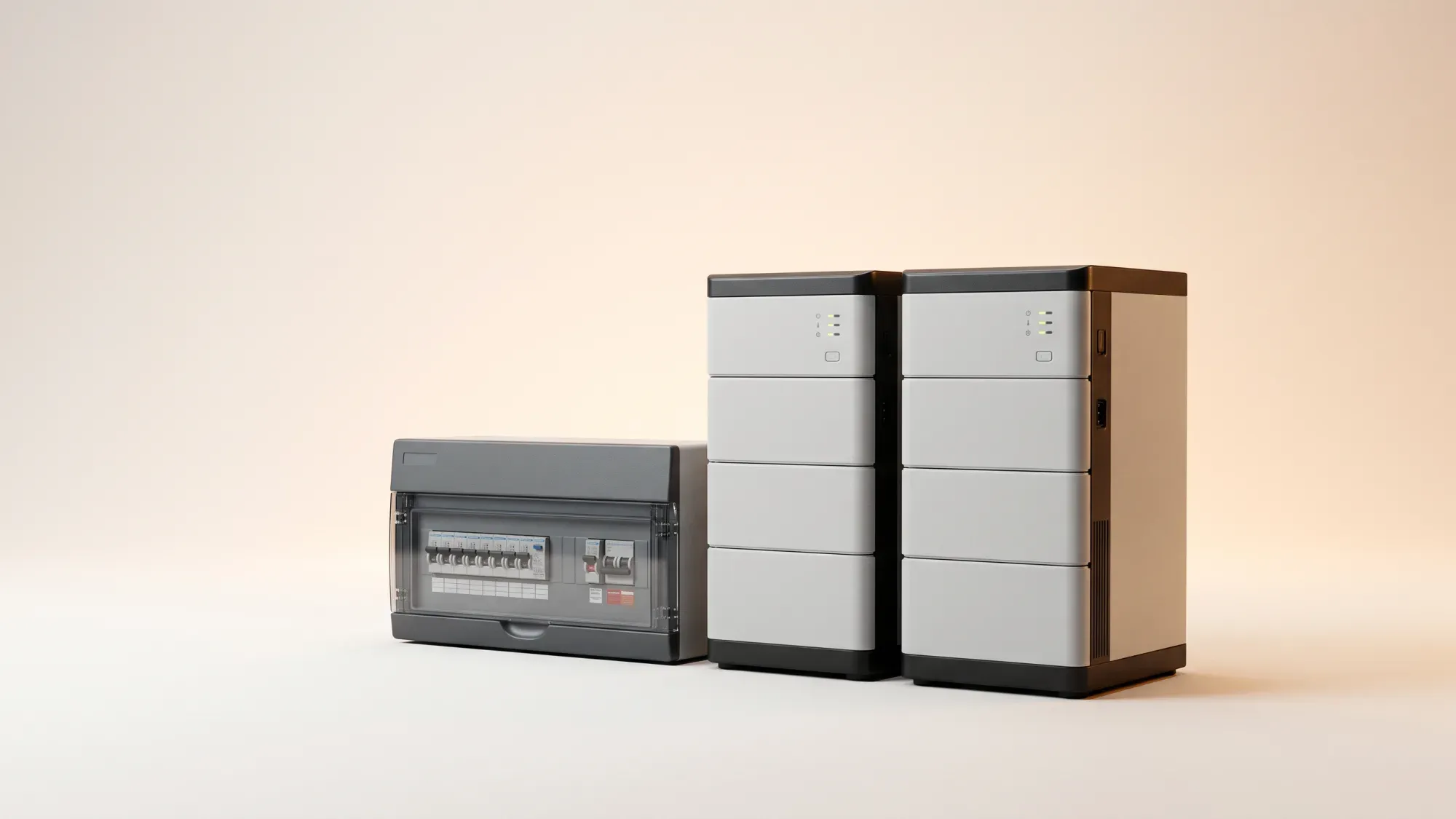
The UK energy system is undergoing a fundamental shift from a centralised model to a more distributed and coordinated network. This transition is essential for integrating renewable energy sources, managing demand fluctuations, and ultimately, ensuring a stable, affordable, and sustainable energy supply for your home. It moves beyond individual devices operating in isolation, connecting them to create a smarter, more responsive grid.
Fuse Energy is committed to empowering UK homeowners within this evolving energy landscape, helping you make the most of a coordinated energy system. Click here to switch to Fuse Energy today.
Enter your address to get a quote and see how much you could save
What is a coordinated energy system?
A coordinated energy system intelligently integrates the actions of all connected users - from large power generators to individual homes with solar panels and batteries - to deliver electricity efficiently and securely. It's about enabling real-time data exchange and proactive management, preventing issues before they lead to disruptions.
Beyond isolated devices
Historically, home energy components like solar panels or batteries operated largely in isolation. While they provided benefits, their full potential was limited because they couldn't "talk" to each other or to the wider grid. For instance, Battery Management Systems (BMS) in LiFePO₄ batteries generate real-time data, but this data is only truly powerful when it can actively inform system control. Communication-enabled batteries change the relationship between the battery, inverter, and charging equipment, allowing inverters and chargers to adjust operations based on real-time battery conditions, preventing issues before hard shutdowns occur. This leads to improved system flexibility and operating efficiency. LiTime's T5.0 platform, for example, supports the transition of LiFePO₄ batteries from standalone storage devices into coordinated components within connected energy systems, integrating CAN and RS485 communication into the BMS and supporting over-the-air (OTA) firmware updates1.
The role of smart technology
Smart technology is the backbone of a coordinated energy system. Smart meters, for example, are crucial devices that monitor energy consumption in real-time, allowing both you and your energy supplier to understand usage patterns. This two-way communication enables flexible tariffs, which can incentivise you to shift energy demand away from peak times, cutting costs and emissions. Beyond meters, smart appliances, home energy storage, and electric vehicles (EVs) all play a part. Open communication architectures, such as those offered by LiTime's Smart ComFlex series, provide greater flexibility in component selection, reduce integration costs, and simplify system expansion through features like CAN and RS485 interfaces. This approach enhances state-of-charge accuracy, fault detection, and overall system efficiency, which ultimately improves battery longevity and performance.
Why is energy coordination crucial for the UK?
The UK's energy landscape is evolving rapidly, driven by the need to decarbonise and secure energy supplies. A coordinated approach is not just beneficial; it's essential for navigating these changes.
Integrating renewables
The UK is committed to increasing its reliance on renewable energy sources like wind and solar. However, these sources are intermittent, meaning their output fluctuates. A coordinated energy system helps balance this variable supply with demand, making the most of renewable generation and reducing waste. This shift is critical for the UK government's goals of achieving clean power and net zero.
Enhancing grid stability
An increasingly complex and decentralised energy system requires robust management to maintain stability. Smart grid technologies provide real-time data monitoring and analytics, allowing for quicker responses to power outages and better balancing of supply and demand. This proactive management helps ensure a secure and reliable energy supply for everyone.
Government initiatives
The UK government and Ofgem are actively working to modernise and coordinate the national energy infrastructure, as outlined in the Energy Digitalisation Framework. The National Energy System Operator (NESO), an independent public body, is at the centre of this transformation. NESO is responsible for managing and planning the UK's electricity and gas networks to facilitate the transition to net zero, while maintaining energy security and minimising costs for consumers. This includes strategic planning for infrastructure, connecting new generation projects, and advising the government and Ofgem on energy policy goals. Ofgem, the energy regulator, also plays a crucial role, setting rules for grid investment and promoting smart, flexible grid technology.
Tangible benefits for UK homeowners
While the concept of a coordinated energy system might seem abstract, its impact on your home's energy supply, costs, and future is very real and positive.
Potential for cost savings
One of the most immediate benefits is the potential for cost savings. Smart meters enable access to flexible tariffs, which can reward you for using electricity during off-peak hours when prices are lower. Smart meters provide an in-home display that helps you keep on top of your energy usage, and 86% of people with a smart meter have said they have changed how they do things around the house to use less energy. This allows you to optimise your energy consumption and potentially save hundreds of pounds annually, especially if you have an electric vehicle or home battery.
Increased energy independence
A coordinated system empowers homeowners to become more active participants in their energy supply. By integrating home energy storage and generation, such as solar panels and batteries, you can reduce your reliance on the National Grid and become more self-sufficient. This not only provides a sense of security but also hedges against future energy price volatility.
Improved reliability
With better coordination and real-time data, the energy grid becomes more resilient. This means fewer power outages and quicker restoration times when issues do occur. The ability of communication-enabled batteries to proactively manage their conditions helps prevent system failures, contributing to overall grid stability.
Your home's role in the coordinated system
Your home is not just a passive consumer of energy; it's an active participant in the evolving coordinated energy system.
Smart meters and data
Smart meters are your gateway to this new energy world. They provide real-time information on your energy usage, displayed on an in-home device or through mobile apps. This data allows you to make informed decisions about when and how you use energy, helping you identify areas to reduce consumption and lower your bills. The average UK home uses around 2,500 kWh of electricity per year.
What is the main benefit of smart meters for homeowners?
Smart meters provide real-time information on energy consumption, enabling accurate billing and allowing homeowners to monitor their usage via in-home displays or mobile apps. This insight helps identify opportunities to reduce consumption and access flexible tariffs, potentially leading to significant cost savings.
Home energy storage and generation
Integrating home energy storage, like LiFePO₄ batteries, and microgeneration, such as solar panels, allows you to generate and store your own clean energy. These systems, especially when equipped with advanced communication protocols like CAN and RS485, can interact intelligently with the grid, optimising charging and discharging cycles based on grid conditions and your household's needs.
Optimising with smart appliances
Smart appliances can further enhance your home's role in a coordinated system. Imagine your washing machine automatically running when electricity is cheapest and most abundant, or your EV charging during off-peak hours. These devices, when integrated, can respond to signals from the grid, contributing to overall system efficiency and reducing your energy costs.
Empowering your energy future with Fuse
Fuse is committed to empowering UK homeowners within this evolving energy landscape, helping you make the most of a coordinated energy system.
The Fuse app offers real-time visibility into your energy usage, allowing you to monitor consumption and make informed decisions. This transparency is key to optimising your energy use within a coordinated system, shifting the balance of power into your hands. Fuse helps you prepare for future energy integrations by providing the tools and insights to manage your energy effectively. By choosing Fuse, you contribute to a smarter, more efficient national energy system. Fuse's approach aligns with the broader goal of moving towards abundant, clean energy, enabling you to participate actively in the energy transition rather than being a passive consumer.
Ready to take control of your home's energy and contribute to a smarter grid? Switch to Fuse Energy today for clear pricing, real-time usage data, and 24/7 human customer support. Our easy online sign-up process takes just minutes. Click here to get started. You can also learn more about our mission to make energy abundant by clicking here.
References
- Energy Storage News. LiTime: From isolated batteries to coordinated energy systems
Disclaimer
For the avoidance of doubt, this article is provided for informational purposes only and is not intended to constitute legal or financial advice. The author and/or Fuse Energy shall not be responsible for any losses arising out of any reliance on the information contained herein.