Community energy: the UK's path to net zero
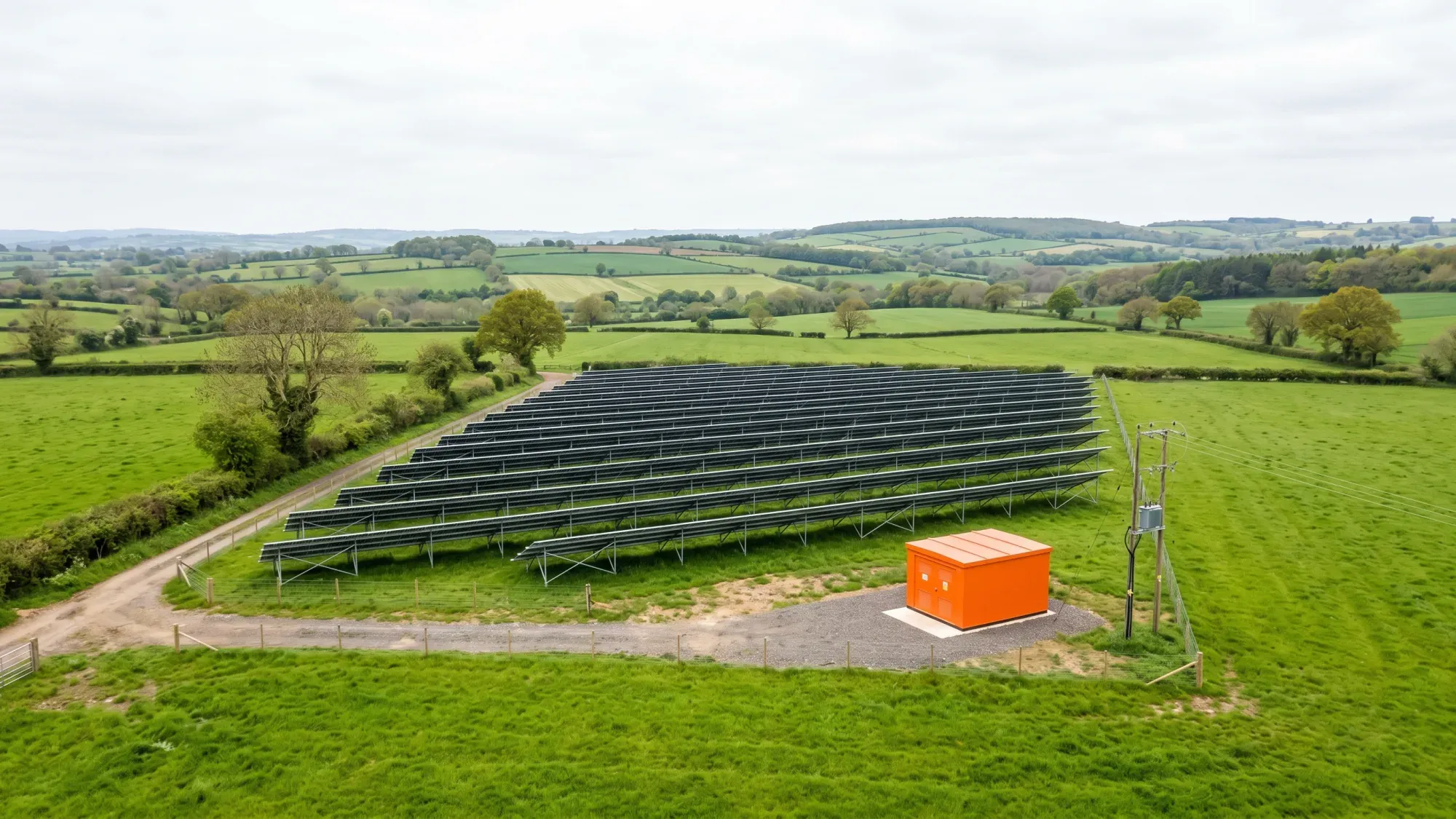
Many UK citizens and community groups want to participate in local renewable energy projects, but the path often seems blocked by complex regulations and significant hurdles. Community energy, however, offers a powerful way to accelerate the UK's net zero target and foster public backing for the energy transition. Fuse Energy champions the vision of abundant, clean energy, recognising community energy as a vital component in rebuilding a resilient and equitable energy system for the future.
While community energy projects face hurdles, understanding your own energy usage is a crucial step towards a more efficient system. Fuse Energy offers clear pricing and real-time usage data to help you manage your home's energy. Click here to switch to Fuse Energy today.
Enter your address to get a quote and see how much you could save
What is community energy?
Community energy refers to local energy projects where communities own, develop, and benefit from renewable energy generation, energy efficiency, or demand-side management schemes. These initiatives are driven by local people, for local people, often with a focus on environmental, social, and economic benefits that extend beyond mere profit.
Defining local power initiatives
Local power initiatives encompass a wide range of projects, from small-scale solar installations on community buildings to larger wind farms or hydro schemes. The defining characteristic is local involvement and control, ensuring that the benefits - whether financial, environmental, or social - remain within the community. These projects often aim to reduce energy bills, create local jobs, and enhance energy security by generating power closer to where it is consumed.
The role of community ownership
Community ownership energy models empower local residents and groups to have a direct stake in their energy future. This can involve direct ownership of assets, such as a solar farm, or through community share offers, where individuals invest in a project and receive a return. This model fosters a sense of collective responsibility and ensures that the financial returns are reinvested locally or used to fund further community initiatives. It moves beyond traditional energy supply, creating a decentralised energy system that is more responsive to local needs.
The UK's ambition and current challenges
The UK has ambitious clean energy goals, but the path to achieving them, especially for community energy, is fraught with challenges. The government's energy strategy includes a significant target for local generation, yet the current reality falls far short.
The 8GW target: a lofty goal?
The UK government aims for 8GW of community energy generation by 20301. This is a substantial increase from the 411MW produced in 2025, representing a nearly twenty-fold expansion in just five years. While this 8GW community energy target signals a clear intent, achieving it requires significant policy and infrastructure changes. Without these reforms, the target risks becoming an aspiration rather than a concrete plan.
Regulatory hurdles and grid access
One of the most significant barriers for local energy projects is the existing energy regulatory framework. Community groups often face disproportionate disadvantages compared to larger developers. Grid connection queues are notoriously long and expensive, making it difficult for small-scale energy generation projects to get off the ground. Furthermore, the prohibitive costs associated with obtaining an energy supply licence can be a major deterrent, effectively blocking community projects from selling electricity directly to local consumers.
What is the main barrier for community energy projects?
The primary barrier for community energy projects in the UK is the current regulatory framework, which disproportionately disadvantages them. This includes lengthy and costly grid connection queues, making it difficult for small-scale generation to connect, and prohibitive costs for obtaining an energy supply licence, hindering local electricity sales.
The energy security and net zero committee's warnings
The Energy Security and Net Zero (ESNZ) Committee has warned that community energy in the UK is at risk of being left behind in the energy transition. This could undermine public backing for net zero goals. The committee is "unconvinced that the government will lift local and community energy generation from the 411MW produced in the UK in 2025 to deliver its target of 8GW by 2030". Committee chair Bill Esterson MP stated, "Communities are an important part of the energy transition if the government is going to hit its targets."
Benefits of community energy
Despite the challenges, the benefits of community energy are clear and compelling, offering a pathway to a more sustainable, secure, and equitable energy future for the UK.
Driving the UK's net zero transition
Community energy projects are crucial for achieving the UK's net zero target. By increasing renewable energy policy deployment at a local level, they contribute directly to reducing carbon emissions and accelerating the shift away from fossil fuels. This decentralised energy system approach complements large-scale national projects, creating a more resilient and diverse energy mix.
Boosting local economies and energy security
Local energy project initiatives can significantly boost local economies. They create jobs in development, installation, and maintenance, and keep energy spending within the community. Furthermore, by generating power locally, communities enhance their energy independence and reduce reliance on volatile international energy markets, contributing to overall energy security. This can also lead to reducing energy bill costs for local residents.
Fostering public engagement and support
When people have a direct stake in their energy supply, public backing for net zero goals naturally increases. Community ownership energy projects foster engagement, education, and a sense of collective achievement. Matthew Vickers, CEO of Community Energy England, highlighted this, stating, "Community energy gives people throughout the country the opportunity to have a stake in Britain’s energy future." This direct involvement makes the energy transition tangible and beneficial for everyday citizens.
How to start a community energy project
Starting a community energy project might seem daunting, but a structured approach can help navigate the complexities. While Fuse Energy does not currently offer direct services for establishing or managing community energy projects, understanding the process is key.
Initial planning and feasibility
The first step involves understanding the concept and benefits of community energy for your local area. Identify potential renewable energy technologies suitable for your community, such as solar, wind, or hydro. Conduct a feasibility study to assess the technical, economic, and environmental viability of your chosen project. This includes evaluating potential sites, energy demand, and grid access for renewable infrastructure.
Navigating funding and finance
Researching available funding streams, grants, and financing models is crucial. Community energy finance can come from various sources, including government grants, community share offers, and ethical investment funds. Developing a robust business plan is essential to attract investment and demonstrate the project's long-term sustainability. This plan should detail projected costs, revenues, and community benefits.
Building partnerships and community engagement
Forming a dedicated community group or partnering with existing organisations is vital. Effective engagement with local stakeholders and authorities is key to gaining support and navigating regulatory requirements. This includes local councils, landowners, and potential energy off-takers. Building strong local relationships can help overcome potential opposition and ensure the project aligns with community needs and aspirations.
Policy recommendations and the future outlook
The future of community energy in the UK hinges on significant policy changes and a commitment to reform the energy regulatory framework.
Strategic priority and local stakes
The Energy Security Committee's report recommends designating community energy as a strategic priority. This would ensure it receives the necessary attention and support within government energy strategy. A key recommendation is to ensure communities get a minimum 20% stake in local renewable projects. This community benefit from renewable energy generation would not only provide financial returns but also strengthen local control and engagement.
Reforming the energy regulatory framework
Reforming the energy regulatory framework is essential to unlock the full potential of community energy. This includes addressing grid access for renewable projects by streamlining connection processes and reducing prohibitive costs. Creating a framework for local electricity sales would empower community projects to sell power directly to local consumers, bypassing the need for expensive supply licences. Such reforms would foster a more equitable and decentralised energy system.
Towards an abundant, decentralised energy future
The vision for community energy aligns perfectly with a future of abundant, clean energy. By advocating for and enabling more clean energy generation, we support an environment where community energy can thrive, making energy abundant and accessible for all. Fuse Energy's mission is to deliver the abundant, clean energy the future requires. Fuse Energy's commitment to rebuilding the energy system from scratch aims to foster a more efficient and resilient energy landscape overall. This commitment contributes to a landscape where clean power generation can become more efficient and impactful.
Managing your home's energy should be clear and easy. Fuse Energy focuses on straightforward pricing, so you can see exactly what you're paying without unnecessary complexity. If you have a smart meter, you can view detailed usage data through the app or website, helping you understand how you can lower your bills. Our 24/7 human support team is always on hand with fast response times whenever you need help. Click here to switch to Fuse Energy today. Find out about our mission by clicking here.
References
Disclaimer
For the avoidance of doubt, this article is provided for informational purposes only and is not intended to constitute legal or financial advice. The author and/or Fuse Energy shall not be responsible for any losses arising out of any reliance on the information contained herein.