Charlie Luxton appointed community energy champion
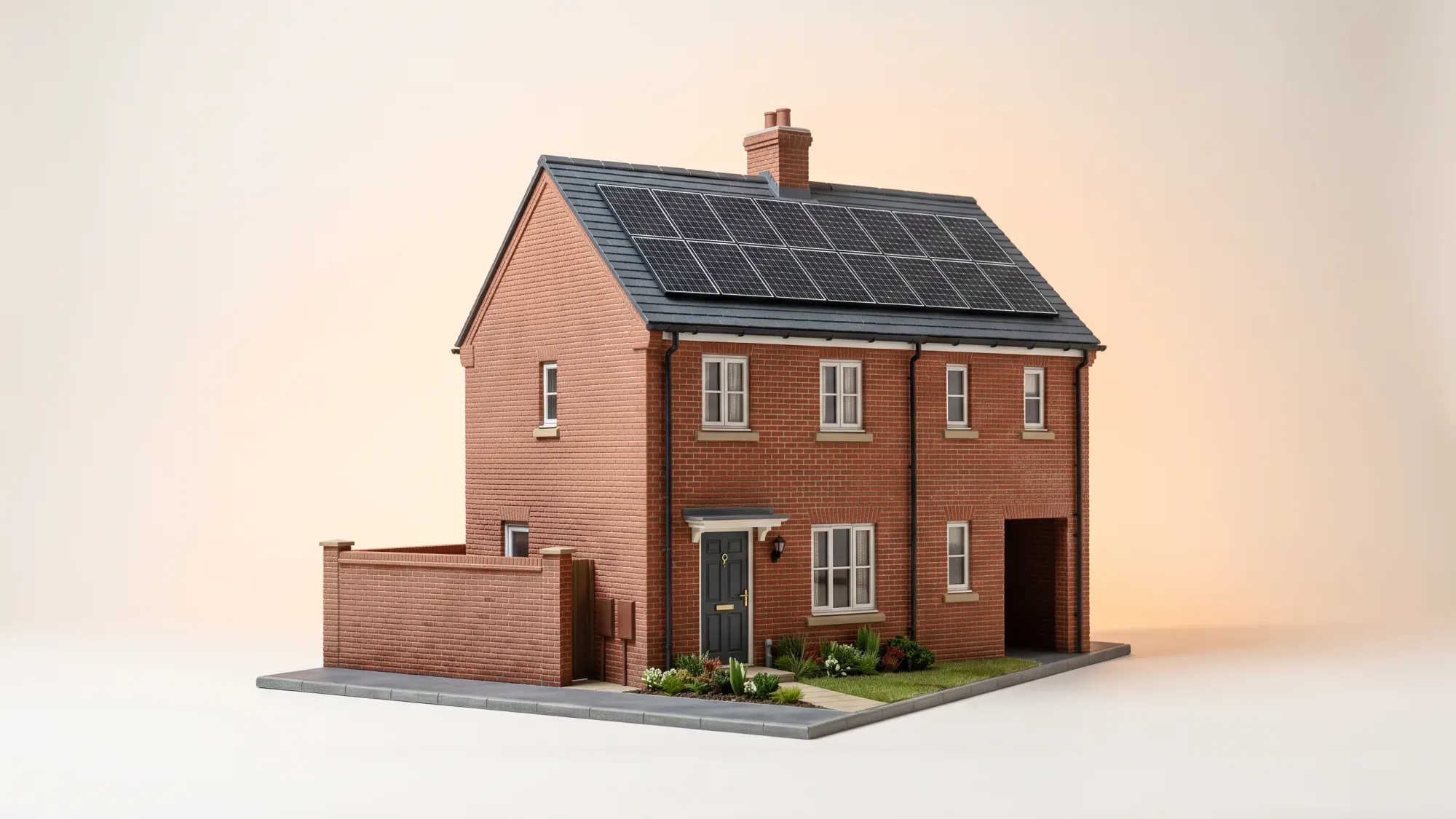
Architectural designer and broadcaster Charlie Luxton has been appointed as SP Energy Networks' inaugural Community Energy Champion, a move set to invigorate local renewable energy initiatives across the UK. Based in Oxford, Mr Luxton will champion community-led energy schemes throughout Scotland, England, and Wales, drawing on his experience as co-founder of the Hooky Energy Club1. His new role involves visiting various community energy projects to highlight their impact and raise awareness of the support available, aiming to empower local areas to generate their own renewable power and reinvest benefits into local services.
Interested in how community energy champions like Charlie Luxton are shaping the future of energy? With Fuse Energy, you get clear pricing, real-time usage data, 24/7 human customer support, and a modern energy experience designed around you. Signing up takes just a few minutes, so you can take control of your bills from day one. Click here to switch to Fuse Energy today.
Enter your address to get a quote and see how much you could save
Introducing the community energy champion role
Community energy champions are pivotal figures in the UK's energy transition, acting as catalysts for local change. Their role extends beyond advocacy to practical support, helping communities navigate the complexities of developing their own renewable power sources.
What is a community energy champion?
A Community Energy Champion is an individual dedicated to fostering and promoting community-led renewable energy projects. They serve as a bridge between local groups, network operators, and funding bodies, providing guidance and inspiration. Their work is crucial in empowering communities to take control of their energy future, ensuring that the benefits of local generation are reinvested back into the area.
Charlie Luxton's background and mission
Charlie Luxton, an architectural designer and broadcaster based in Oxford, brings a wealth of experience to his new role. As co-founder of the Hooky Energy Club, he has first-hand knowledge of the challenges and rewards of community energy initiatives. His mission as SP Energy Networks' first Community Energy Champion is to promote community-led energy schemes across Scotland, England, and Wales. He will visit various projects, raising awareness of their impact and the support available, with the ultimate goal of empowering communities to generate their own renewable power. The tour commenced in Ayr, Scotland, with a visit to community-owned solar installations developed by the Fort, Seafield and Wallacetown Community Association, supported by a significant grant from SP Energy Networks. Aileen Rourke, district general manager at SP Energy Networks, affirmed, "There are lots of ways we can help community groups make their energy ambitions a reality."
The power of community energy
Community energy projects are more than just local power schemes; they are powerful drivers of social and environmental change, offering tangible benefits that resonate far beyond electricity generation.
Tackling fuel poverty and environmental impact
Community energy projects offer a direct way to tackle significant societal challenges. By generating local, affordable renewable power, communities can reduce energy costs for residents, directly addressing fuel poverty. Charlie Luxton noted, "Community energy projects tackle big challenges like fuel poverty and have a huge collective impact for our environment." These initiatives also contribute significantly to environmental sustainability by reducing reliance on fossil fuels and lowering carbon emissions.
Local reinvestment and economic benefits
One of the most compelling aspects of community energy is its ability to foster local economic growth. Profits generated from these schemes are often reinvested directly into local services, creating a virtuous cycle of community development. This can include funding for local schools, healthcare, or other essential services, ensuring that the economic benefits of energy generation remain within the community.
Driving the UK's energy transition
Community energy schemes are vital for the UK's broader energy transition and its commitment to Net Zero targets. By decentralising energy generation and increasing the proportion of renewable sources, these projects contribute to a more resilient and sustainable National Grid. Support from network operators like SP Energy Networks is crucial for facilitating this transition, making community-powered energy projects a reality across the country.
Steps to becoming a community energy champion
Becoming a Community Energy Champion involves a structured approach, moving from initial idea to sustainable project implementation.
Identifying local needs and opportunities
The first step is to identify a specific energy need or opportunity within your community. This could involve assessing local energy consumption, identifying suitable sites for renewable generation, or addressing issues like high energy bills or a desire for greater energy independence. Understanding your community's unique context is paramount.
Building a core team and organisation
Once a need is identified, form a core group of committed individuals. This team will be instrumental in establishing a formal community energy organisation, which provides the necessary structure and legitimacy for your initiatives. A strong, dedicated team is the backbone of any successful project.
Navigating funding and regulatory landscapes
Securing initial funding and navigating the complex regulatory landscape are critical hurdles. This involves conducting a feasibility study to assess the technical, financial, and social viability of potential projects. Community energy projects must comply with UK energy regulations, including those set by Ofgem, for generation, supply, and grid connection. Accessing government grants and funds, such as the SP Energy Networks’ Transmission Net Zero Fund, often requires adherence to specific eligibility criteria and reporting standards. Distribution Network Operators (DNOs) also play a crucial role in facilitating grid connections for local energy generation.
What is the average UK household electricity consumption?
The average UK home uses around 2,500 kWh of electricity per year. This figure, provided by Ofgem, serves as a common baseline for understanding household energy usage and for calculating the potential impact of local renewable energy projects on domestic consumption.
Engaging your community
Building broad community support and participation is essential for long-term success. Engage local residents and stakeholders early and continuously to ensure the project meets their needs and has their backing. This helps to secure long-term commitment and prevents common pitfalls such as a lack of engagement.
Key considerations for project success
Successful community energy projects require careful planning, robust partnerships, and a clear vision for long-term impact.
Technical feasibility and renewable technologies
Assessing technical feasibility is crucial. This includes evaluating suitable renewable technologies, such as solar installations, wind turbines, or hydro schemes, based on local resources and environmental conditions. Access to technical expertise and appropriate resources is vital to avoid pitfalls like underestimating project complexity. For example, the Fort, Seafield and Wallacetown Community Association successfully developed community-owned solar installations in Ayr, Scotland, demonstrating what is possible with the right technical approach.
Partnerships and support Networks
Forging strong partnerships with network operators, local authorities, and other community groups can provide invaluable support. SP Energy Networks, for instance, actively supports community energy schemes across Scotland, England, and Wales, offering expertise and resources to help groups realise their ambitions. These collaborations can help navigate the process of connecting local generation to the wider electricity network and overcome regulatory challenges.
Long-term sustainability and impact measurement
Ensuring the long-term sustainability of your project involves not only sound financial management but also a commitment to reinvesting benefits and continuously measuring impact. This ensures that the project continues to serve the community's needs and contributes to its ongoing development, aligning with the core principle of empowering local areas.
The future of community energy in the UK
The landscape for community energy in the UK is evolving, with increasing recognition of its potential to drive a sustainable and equitable energy future.
Scaling up local initiatives
The success of individual community projects lays the groundwork for scaling up initiatives across the country. As more communities embrace local generation, the collective impact on the UK's energy mix and carbon reduction targets will grow significantly. This scaling up is essential for achieving national Net Zero goals.
Policy support and innovation
Continued policy support and innovation are critical to accelerate the growth of community energy. This includes streamlined regulatory processes, accessible funding mechanisms, and initiatives that promote energy awareness and support for local energy projects. The UK's energy strategy increasingly recognises the role of community power in achieving a resilient and sustainable energy system.
Creating a future with abundant local energy
The vision for community energy aligns with a future where energy is abundant and accessible. By empowering local areas to generate their own renewable power, communities can move beyond a scarcity mindset, creating a future with abundant, accessible energy. This approach fosters local abundance and empowerment, contributing to a more sustainable and equitable energy transition for all.
Community energy initiatives, championed by figures like Charlie Luxton, highlight the importance of local control and sustainable practices. At Fuse Energy, we believe in empowering you with clear pricing, real-time usage data, and 24/7 human support to manage your home's energy effectively. Our mission is to build a future where energy is abundant and accessible for everyone. Click here to switch to Fuse Energy today and experience a modern approach to energy. You can also learn more about our vision for a sustainable energy future by visiting our mission page here.
References
Disclaimer
For the avoidance of doubt, this article is provided for informational purposes only and is not intended to constitute legal or financial advice. The author and/or Fuse Energy shall not be responsible for any losses arising out of any reliance on the information contained herein.