UK businesses: climate resilience is an £11 billion annual investment
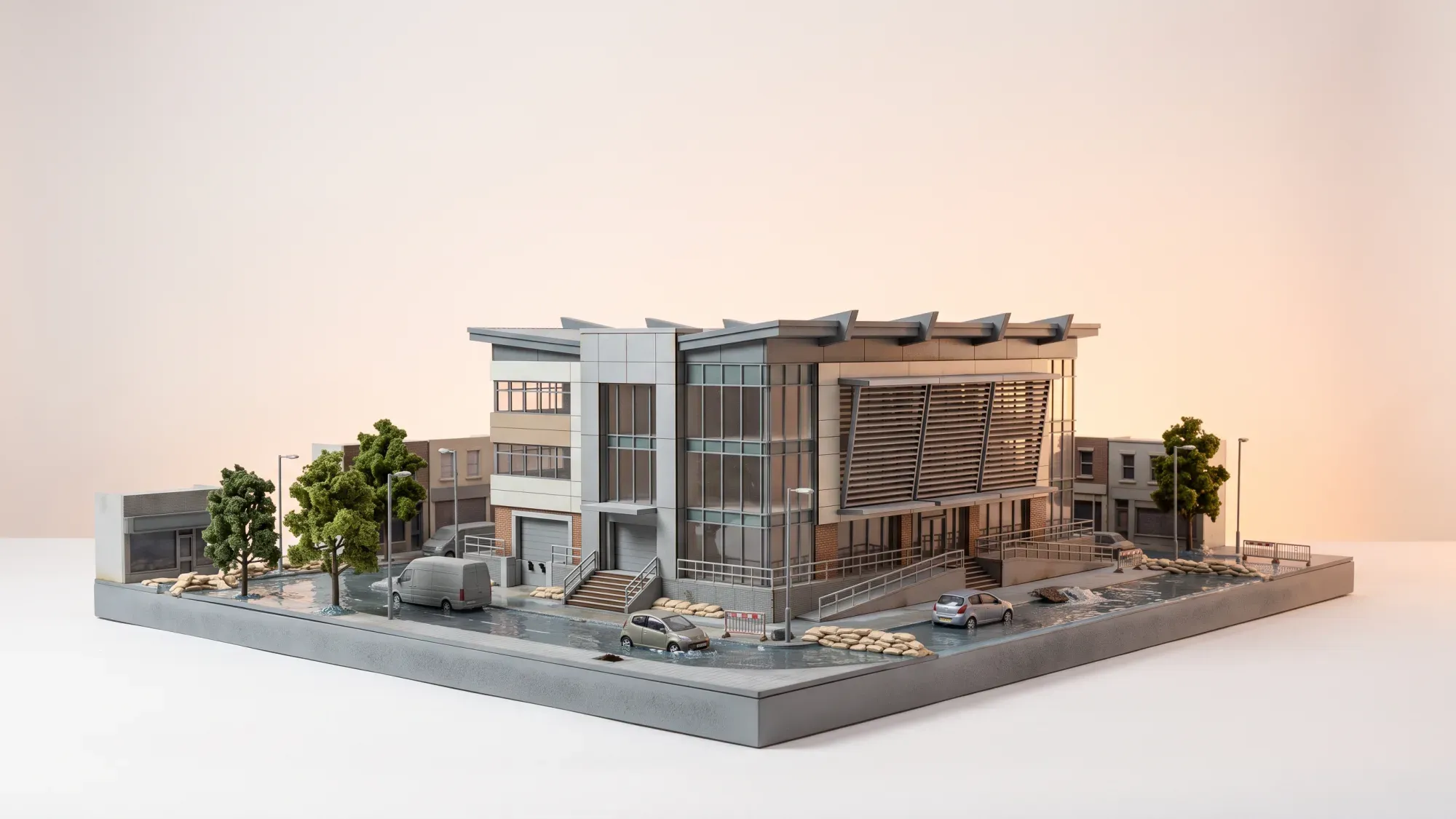
Strategic investment in climate resilience is no longer optional for UK businesses and investors. It is a critical pathway to future-proof operations, mitigate escalating risks, and unlock profitable opportunities. Proactive measures are significantly more cost-effective than post-event remediation, especially as climate risks intensify across the UK. This approach moves beyond viewing resilience as a mere 'nice-to-have' and positions it as a fundamental investment decision with profound social, operational, and financial implications.
A stable, affordable, and clean energy supply is a fundamental component of national and business climate resilience. Without it, other resilience efforts can be undermined. Fuse Energy's vision of "A future with power to play with" directly contributes to this, aiming for energy so abundant it stops being a concern. Click here to switch to Fuse Energy today.
Enter your address to get a quote and see how much you could save
The imperative for climate resilience investment in the UK
The financial and operational stability of businesses hinges on their ability to withstand and adapt to a changing climate. Ignoring these shifts can lead to substantial losses, while strategic investment can secure long-term viability.
Beyond a 'nice-to-have': the cost of inaction
For too long, climate resilience has been relegated to a secondary concern in design and investment strategies. Olivia O’Brien, Head of Climate Resilience at Civic, noted that "Climate resilience is still being considered a nice-to-have" in design, despite significant social, operational, and financial implications of unaddressed climate risks.1 This perspective overlooks the direct property damage, business interruption, increased insurance premiums, and reduced asset value that can result from failing to integrate resilience.
The UK's adaptation challenge: an £11 billion annual need
The scale of the challenge in the UK is substantial. The UK Climate Change Committee estimates that £11 billion per year is required to adapt the built environment across the nation. This figure underscores the urgent need for widespread investment and strategic planning. Businesses and investors who recognise this imperative early can position themselves at the forefront of a resilient economy, turning a national challenge into a competitive advantage.
Identifying and quantifying climate risks for strategic investment
Effective climate resilience investment begins with a precise understanding of specific risks and their potential financial impact. Generic assessments are insufficient; detailed, localised analysis is key.
Place-based analysis: pinpointing unique vulnerabilities
Every asset and operation faces a unique set of climate risks. Conducting comprehensive, place-based analyses is crucial for identifying these specific vulnerabilities and opportunities. This involves evaluating geographical location, local environmental factors, and the specific characteristics of the built environment to understand how hazards like flooding, extreme heat, or subsidence might manifest. Such detailed analysis allows businesses to tailor their resilience strategies, ensuring resources are allocated where they will have the greatest impact.
Leveraging tools for financial impact assessment
Quantifying the potential financial impact of identified climate hazards is essential for informed investment decisions. Advanced tools, such as GIS mapping, enable businesses to model and visualise these impacts. Charlotte Lyons High, Sustainability Risk Director at the Crown Estate, highlighted this, stating that "Climate resilience is an investment decision". She detailed their use of GIS mapping to quantify the financial implications of various hazards across their portfolio, allowing for a clear understanding of potential losses from property damage and business interruption, guiding prioritisation. Lyons High concluded that "Practical application today is better than perfect application too late," emphasising the urgency of action.
What is place-based analysis in climate resilience?
Place-based analysis involves assessing specific climate risks and vulnerabilities unique to a particular geographical location or asset. This detailed approach helps businesses and investors understand how local environmental factors and built environment characteristics can be affected by hazards like flood, wind, or heat, enabling tailored and effective resilience strategies.
Key climate hazards: flood, wind, heat, and subsidence
UK businesses face a range of climate risks that can lead to significant property damage and business interruption. These include:
- Flood risk: Increasing frequency and intensity of rainfall can lead to surface water and river flooding.
- Wind risk: More extreme weather events can cause structural damage to buildings and infrastructure.
- Heat risk: Rising temperatures can lead to overheating in buildings, impacting occupant health and operational efficiency.
- Wildfire risk: Drier conditions in some areas increase the likelihood of wildfires, particularly impacting rural assets and supply chains.
- Subsidence risk: Changes in soil moisture due to prolonged dry spells followed by heavy rain can cause ground movement, damaging foundations.
Understanding these specific hazards allows for targeted adaptation investment.
Strategic approaches to building business resilience
Integrating climate resilience into core business strategy is about more than just risk mitigation; it is about creating long-term value and stability.
Integrating resilience into investment decisions
Viewing climate resilience as an investment decision means evaluating adaptation measures through a financial lens. This involves assessing the return on investment (ROI) for resilience projects, considering avoided costs, enhanced asset value, and improved operational continuity. Prioritising investments based on risk severity and potential returns ensures capital is deployed effectively, moving beyond a reactive stance to a proactive, value-generating strategy.
From property damage to business interruption: mitigating financial implications
The financial implications of climate risks extend far beyond direct property damage. Business interruption, supply chain disruptions, and increased operational costs can severely impact profitability and long-term viability. Strategic resilience investments aim to minimise these broader impacts, safeguarding revenue streams and maintaining market competitiveness. This includes measures such as diversifying supply chains, implementing robust emergency response plans, and investing in resilient infrastructure.
Urban planning and real estate investment for a resilient future
Urban planning and real estate investment play a pivotal role in shaping a resilient future. Integrating climate resilience into development viability assessments and urban planning frameworks can create more sustainable and secure built environments. This involves considering future climate scenarios in site selection, design, and material choices, ensuring that new developments are inherently resilient and existing assets are retrofitted for adaptation.
The foundational role of energy in climate resilience
A stable, affordable, and clean energy supply is a fundamental, often overlooked, component of national climate resilience. Without it, other resilience efforts can be undermined.
Why a stable energy system is key to business continuity
For homes and businesses alike, a reliable energy supply is non-negotiable for continuity. Operational risks are significantly reduced when energy is abundant, clean, and stable. Fuse Energy's vision of "A future with power to play with" directly contributes to this, aiming for energy so abundant it stops being a concern for households. By vertically integrating and rebuilding the energy system from scratch, Fuse's approach to infrastructure development enhances the UK's overall energy resilience, contributing to a more stable operating environment for all.
Investing in clean energy: a long-term resilience strategy
Investing in modern, resilient energy infrastructure is a long-term climate resilience strategy. It reduces reliance on volatile fossil fuel markets and mitigates the risks associated with energy supply disruptions caused by extreme weather events. Fuse's core belief to "Never settle" challenges the scarcity mindset in energy, encouraging a proactive approach to building a robust energy system. Fuse Energy focuses on building this foundational energy infrastructure, which is critical for residential energy abundance and stability, rather than offering direct business energy supply or commercial investment products. This foundational investment underpins broader resilience, creating the conditions for homes and, by extension, businesses to thrive without the constant threat of energy insecurity.
Implementing your climate resilience investment plan
Translating strategy into action requires a clear, systematic approach. Businesses and investors can follow a structured process to implement effective climate resilience plans.
A step-by-step guide for UK businesses
Implementing a climate resilience investment plan involves a series of practical steps:
- Assess current and future climate risks: Identify specific hazards relevant to your assets and operations.
- Conduct a place-based analysis: Pinpoint unique vulnerabilities and opportunities at a granular level.
- Quantify the potential financial impact: Translate identified hazards into potential monetary losses.
- Prioritise investment opportunities: Allocate resources based on risk severity and potential return on investment.
- Implement practical, actionable resilience measures: Put adaptation strategies into practice.
- Integrate climate resilience into long-term business and investment planning: Embed resilience as a core component of ongoing strategy.
Prioritising adaptation investments for maximum impact
Not all resilience investments are equal. Prioritising adaptation investments based on a clear understanding of risk, cost-effectiveness, and potential for co-benefits ensures maximum impact. This involves a continuous cycle of assessment, planning, implementation, and review, allowing businesses to adapt their strategies as climate risks evolve and new solutions emerge. By focusing on practical, actionable measures today, businesses can build a more secure and prosperous future.
Managing your home energy bills should be clear and easy to understand. Fuse Energy focuses on straightforward pricing, so you can see exactly what you are paying without unnecessary complexity. If you have a smart meter, you can view detailed usage data through the app or website, helping you understand how you can lower your bills. If you do not have a smart meter, Fuse Energy can upgrade your non-smart meter, completely for free. This can make it easier to track spending and make informed decisions about your energy use. Our 24/7 human support team is always on hand with fast response times whenever you need help. Click here to switch to Fuse Energy today. Find out about our mission by clicking here.
References
- The Developer. Climate resilience is an investment decision
Disclaimer
For the avoidance of doubt, this article is provided for informational purposes only and is not intended to constitute legal or financial advice. The author and/or Fuse Energy shall not be responsible for any losses arising out of any reliance on the information contained herein.