French wine harvests reshaped by 2026 extreme weather
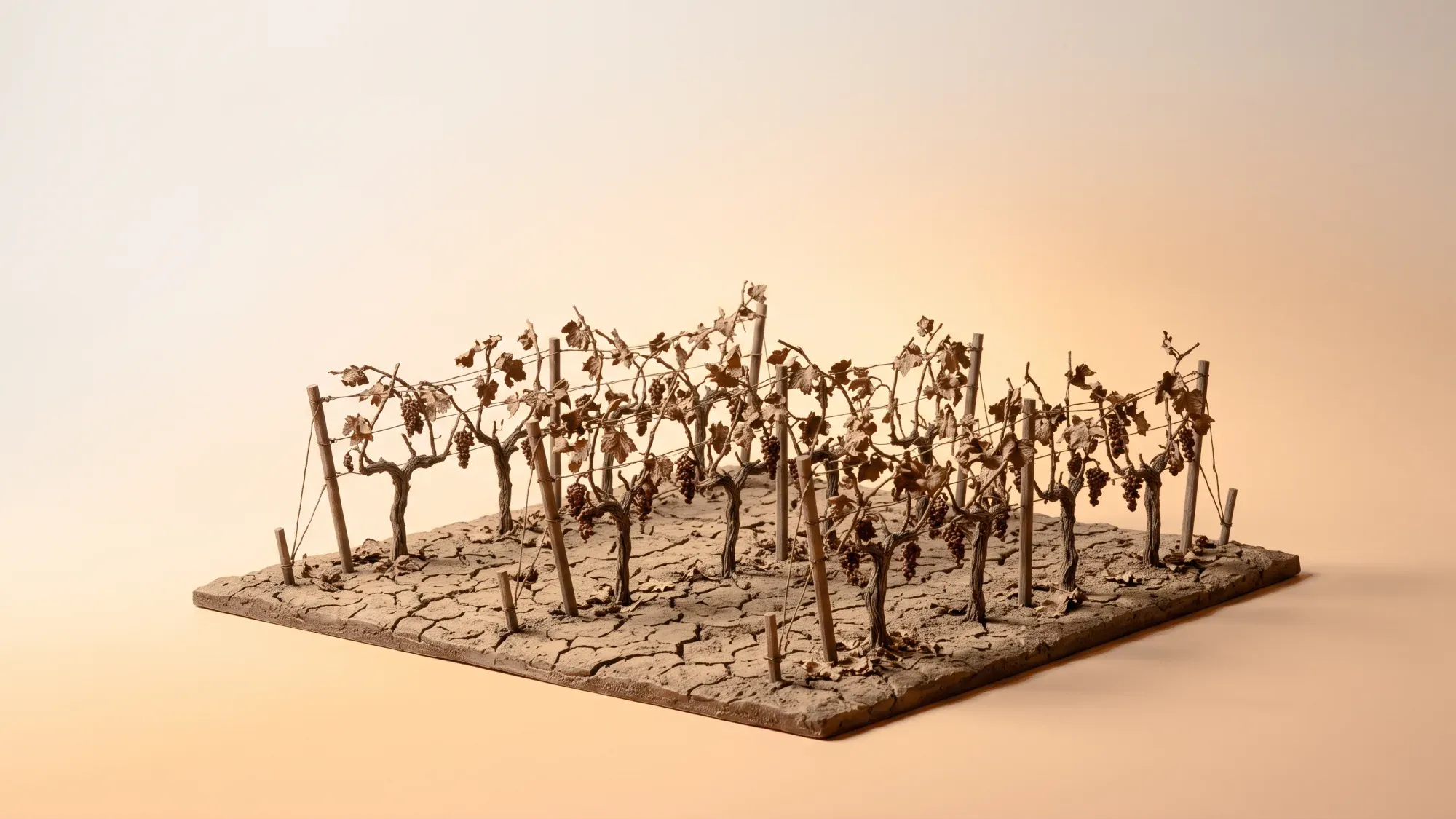
Climate change is profoundly impacting French wine production, with 2026 seeing heatwaves, drought, hail, and wildfire smoke reshaping wine across the country1. These extreme weather events are affecting grape quality, harvest dates, yields, and ultimately, the flavour of French wines. For UK adults interested in wine and sustainability, these changes present a tangible example of how global climate shifts impact cherished industries.
The challenges facing French wine producers - from heatwaves and drought to early harvests and smoke taint - are a vivid illustration of climate change's profound and far-reaching effects on global industries. For UK adults interested in both wine and sustainability, this presents a tangible example of why a fundamental shift in our energy landscape is critical. Switch to Fuse Energy today and join the movement towards a future powered by abundant, clean energy. Click here to get started.
Enter your address to get a quote and see how much you could save
The unfolding crisis in French viticulture
The traditional rhythm of French viticulture is under severe pressure. The delicate balance between temperature, sunlight, and the length of the growing season, which historically defined the character of French wines, is being disrupted. This disruption is not uniform but is manifesting across various regions, forcing winemakers to confront unprecedented challenges.
Extreme weather events and their frequency
France has experienced a significant increase in extreme weather events. In 2026, daytime temperatures reached 40°C, with heatwaves not falling below 24°C during the night. These prolonged heatwaves, combined with severe drought conditions, are causing significant stress to vines, leading to issues like sun scald, wilting, and reduced harvest volumes. Wildfires, particularly near Bordeaux, have also become a recurring threat, adding the complex problem of smoke taint to the challenges faced by vignerons.
Shifting harvest dates and ripening challenges
One of the most striking indicators of climate change's impact is the dramatic shift in harvest dates. Traditionally, French grape harvests occurred in September and October. However, extreme weather conditions in 2026 led almost every wine region to start its harvest earlier than ever, with some beginning as early as July. This acceleration is a direct consequence of warmer growing seasons, which cause grapes to ripen faster.
Direct impacts on grape quality and wine flavour
The accelerated ripening process has profound implications for the quality and flavour of French wines. The delicate balance of sugar, acidity, and phenolic compounds, crucial for a wine's character, is being thrown off.
Sugar accumulation versus phenolic ripeness
Grapes ripen through three overlapping processes: sugar accumulation, a drop in acidity, and the phenolic maturation of skin compounds. Warmer temperatures accelerate sugar accumulation, leading to higher potential alcohol levels. However, phenolic maturation - the development of tannins and colour compounds that define a wine's structure and mouthfeel - does not accelerate at the same rate. This creates a dilemma for winemakers: harvesting at optimal sugar levels can result in wines with green, unripe tannins, while waiting for phenolic ripeness leads to excessively high alcohol content and a lack of acidity. The result can be wines that taste flat, lack freshness, and have a heavier, flabbier structure.
The threat of smoke taint and its irreversibility
Wildfires, particularly those near Bordeaux, introduce the risk of smoke taint, a complex problem for which there is currently no known solution once it has affected the wine. Phenolic chemicals from wood smoke can be absorbed by grape skins and leaves, then metabolised into odourless compounds. During fermentation, these compounds can transform, developing aromas of smoke, ash, or burnt wood many months later.
"there are no methods of removing smoke taint from wine once it is present." — Jonathan Hesford
Winemakers can test grapes for these chemicals to assess the risk, allowing them to eliminate affected grapes or keep wines from doubtful vineyards separate. However, this analysis is costly and time-consuming, posing a significant challenge for producers.
Altered acidity and alcohol levels
The rapid ripening driven by heatwaves leads to grapes gaining sugar before developing full flavour and phenolic ripeness. This results in wines with higher alcohol and less acidity. Low acidity affects a wine's freshness, ageing potential, and stability, making it more vulnerable to spoilage.
Adaptation strategies for French winemakers
French winemakers are exploring various strategies to mitigate the effects of climate change, but these often come with trade-offs and significant investment.
Innovations in vineyard management
Vignerons are adapting their practices to protect their vines from rising temperatures, employing various tools and making difficult choices to mitigate the effects of extreme weather.
Exploring new grape varieties and terroirs
Some regions are looking to new grape varieties that are better suited to warmer climates. Bordeaux, for example, has authorised new grape varieties for AOC wines to diversify blends and cope with climate shifts. These new varieties have different ripening periods, allowing growers to spread out the harvest and reduce the impact of rapid heat spikes. There is also a potential geographical shift in wine production, with some regions previously considered too cold now becoming viable for viticulture, such as England's booming sparkling wine industry.
Financial pressures and producer choices
Adapting to climate change requires substantial financial investment, from new technologies and vineyard management techniques to potentially replanting vineyards with different varieties. Only quality-focused producers with sufficient financial resources to make these sacrifices will be able to avoid the negative impacts of climate change. Smaller or less affluent producers may face difficult choices, potentially compromising quality or even facing closure.
Future implications for French wine and UK consumers
The ongoing changes in French viticulture will inevitably lead to shifts in wine styles, regional identities, and consumer choices.
Geographical shifts in wine production
As temperatures continue to rise, the suitability of traditional wine-growing regions may change. Some areas may become too hot and dry, while others further north or at higher altitudes could become new centres of viticulture. This could lead to a redefinition of classic wine regions and the emergence of new ones, impacting the established notion of "terroir" - the unique environmental factors that influence a wine's character.
Evolving wine styles and regional identity
The changes in grape composition, particularly higher alcohol and lower acidity, will likely lead to evolving wine styles. While winemakers are employing various techniques to maintain balance, consumers may notice differences in the flavour profiles of wines from affected regions. This could challenge long-held perceptions of regional identity, as wines from areas like Bordeaux or Burgundy might develop characteristics distinct from their historical benchmarks.
Navigating reputation and purchasing decisions
For UK consumers, understanding these changes is crucial. When buying from affected regions, it is advisable to be more conscious of a producer's reputation. Reputable producers with the resources to adapt are more likely to maintain quality, even if the vintage characteristics differ from the norm. Lower-priced wines from impacted regions might not meet their usual standards, and consumers should not write off an entire vintage from a well-regarded producer without considering their adaptive efforts.
The challenges facing French wine producers are a clear reminder of the urgent need for abundant, clean energy. At Fuse Energy, we believe in a future where energy is no longer a constraint, allowing industries and individuals to thrive without the constant threat of climate-induced scarcity. We're building that future by providing clear pricing, real-time usage data, and 24/7 human support to help you take control of your home energy. Discover how Fuse Energy is making a difference and switch to a smarter energy experience today. Click here to get started, or learn more about our mission here.
References
- The Connexion. How does climate change affect French wines?
Disclaimer
For the avoidance of doubt, this article is provided for informational purposes only and is not intended to constitute legal or financial advice. The author and/or Fuse Energy shall not be responsible for any losses arising out of any reliance on the information contained herein.