Climate crisis: record greenhouse gases and melting glaciers
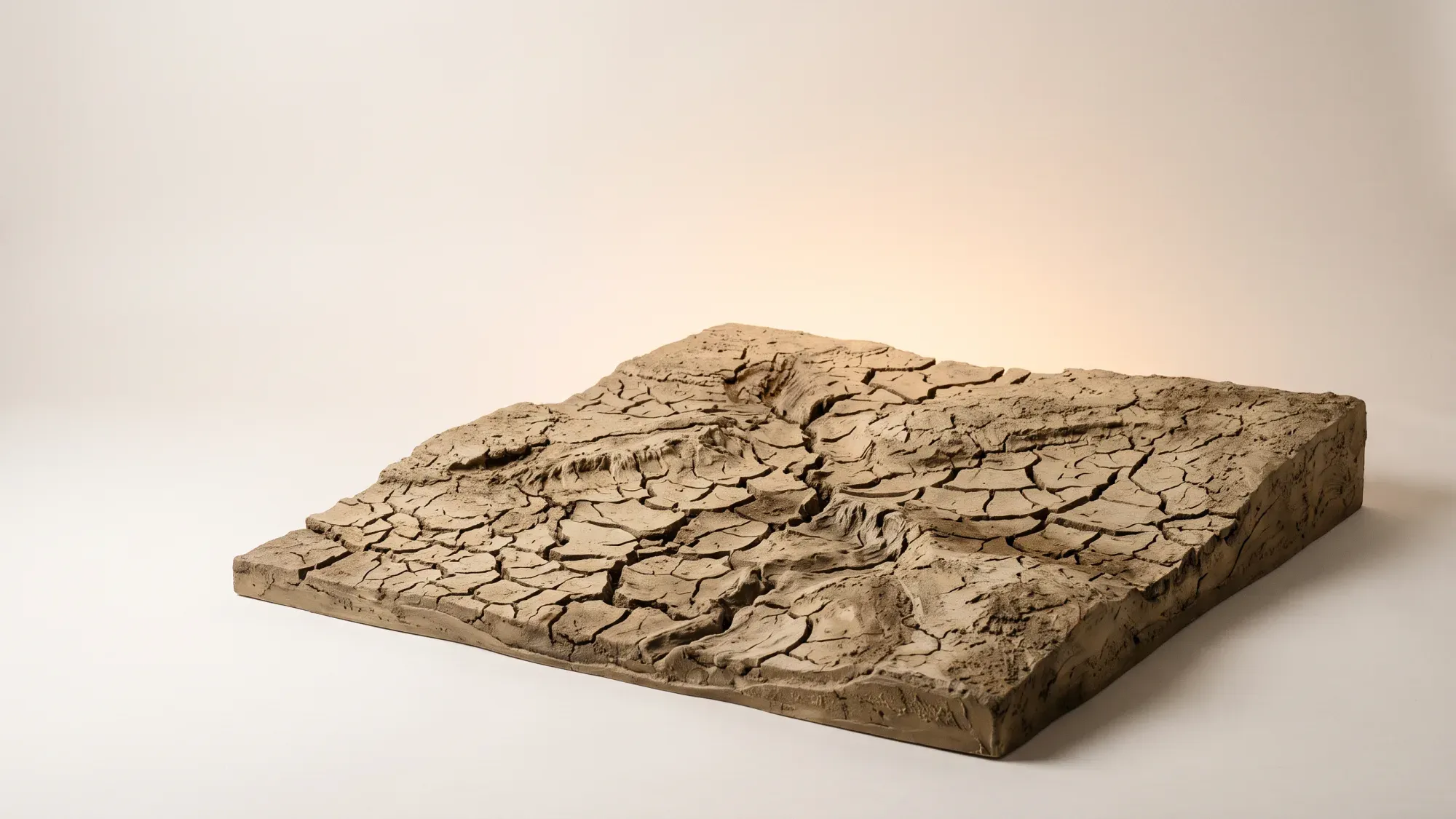
Climate change represents a long-term shift in global and regional climate patterns, predominantly driven by human activities. This isn't merely about warmer weather; it involves significant, lasting alterations to our planet's weather systems, oceans, and ecosystems, with profound implications for the UK and the wider world. Understanding these changes, their origins, and the available solutions is vital for building a sustainable future.
Take control of your home energy and contribute to a cleaner future. Fuse Energy offers clear pricing and a modern energy experience designed around you, helping you manage your usage effectively. Click here to switch to Fuse Energy today.
Enter your address to get a quote and see how much you could save
What is climate change?
Defining climate change and global warming
Climate change refers to broad shifts in temperature, precipitation, wind patterns, and other aspects of Earth's climate over decades or longer. Global warming, often used interchangeably, specifically describes the long-term heating of Earth's climate system observed since the pre-industrial period (between 1850 and 1900) due to human activities. This heating is primarily caused by the burning of fossil fuels, which increases heat-trapping greenhouse gas levels in Earth's atmosphere. While global warming is a key component, climate change encompasses a wider range of impacts, including rising sea levels, ocean acidification, and extreme weather events.
Understanding the greenhouse effect
The greenhouse effect is a natural process that warms the Earth's surface. When the Sun's energy reaches Earth's atmosphere, some is reflected back into space, while some is absorbed and re-radiated as heat. Greenhouse gases (GHGs) in the atmosphere trap some of this heat, preventing it from escaping directly into space and keeping our planet warm enough to sustain life. Without this natural effect, Earth's average temperature would be around -18°C. However, human activities have significantly increased the concentration of these gases, enhancing the greenhouse effect and leading to an unnatural warming of the planet.
What causes climate change?
Human activities and greenhouse gas emissions
The overwhelming scientific consensus points to human activities as the primary driver of the current climate crisis. Since the Industrial Revolution, the burning of fossil fuels (coal, oil, and gas) for energy, transportation, and industry has released vast quantities of greenhouse gases into the atmosphere. Deforestation also plays a significant role, as trees absorb carbon dioxide (CO2), and their removal reduces the planet's natural capacity to regulate atmospheric CO2 levels.
Key greenhouse gases and their sources
Carbon dioxide (CO2) is the most significant greenhouse gas emitted by human activities, primarily from burning fossil fuels. Other key GHGs include methane (from agriculture, waste, and fossil fuel production), nitrous oxide (from agriculture and industrial processes), and fluorinated gases (used in refrigeration and industrial processes). The concentration of atmospheric CO2 is now at its highest level in at least 800,000 years, a clear indicator of the unprecedented scale of human impact.
The impacts of climate change
Global consequences: rising temperatures, sea levels, and extreme weather
The effects of climate change are already being felt globally. The planet's average surface temperature has risen by approximately 1.1°C since the pre-industrial era (1850-1900), with recent decades being the warmest on record. This warming leads to a cascade of consequences:
- Rising sea levels: Global mean sea level has risen by approximately 20cm since 1900, with the rate of rise accelerating. This threatens coastal communities and ecosystems worldwide.
- Melting glaciers and ice sheets: Glaciers have been melting for the 38th year in a row, contributing significantly to sea level rise and impacting freshwater supplies for millions.
- Extreme weather events: We are seeing an increase in the frequency and intensity of heatwaves, droughts, floods, and storms, causing widespread disruption and damage.
Climate change in the UK: specific impacts and vulnerabilities
The UK is not immune to these global changes. We face specific vulnerabilities, including:
- Increased flooding: Heavier rainfall and rising sea levels exacerbate the risk of both inland and coastal flooding, impacting homes, infrastructure, and agriculture.
- Coastal erosion: Rising sea levels and more intense storms accelerate coastal erosion, threatening communities and natural habitats along the UK's extensive coastline.
- Heatwaves: The UK is experiencing more frequent and intense heatwaves, posing risks to public health and placing strain on infrastructure.
- Biodiversity loss: Changes in temperature and rainfall patterns affect ecosystems, leading to shifts in species distribution and potential biodiversity loss.
Evidence for a changing climate
The scientific consensus and data
The scientific community overwhelmingly agrees that climate change is real, human-caused, and accelerating. This consensus is built on decades of rigorous research, observation, and data analysis from thousands of scientists worldwide. Organisations like the Intergovernmental Panel on Climate Change (IPCC) synthesise this research, providing comprehensive assessments of the state of climate science. The evidence is robust, spanning multiple independent lines of inquiry, from atmospheric chemistry to oceanography and glaciology.
Observable changes: glacier melt, ocean acidification, and more
Beyond temperature records, tangible evidence of a changing climate is all around us. The continuous melting of glaciers, as highlighted by Channel 4 News1, is a stark visual indicator.
"Record-high greenhouse gas levels, rising temperatures, rising sea levels, and glaciers melting for the 38th year in a row. These are the devastating numbers behind the climate crisis." — Ciaran Jenkins, Data Correspondent and Presenter, Channel 4 News
Ocean acidification, caused by the absorption of excess CO2 from the atmosphere, threatens marine life and coral reefs. Changes in plant and animal life cycles, earlier spring thaws, and shifts in growing seasons further underscore the reality of these environmental transformations.
Solutions to the climate crisis
Mitigation strategies: reducing emissions and carbon sequestration
Addressing the climate crisis requires a dual approach: mitigation and adaptation. Mitigation focuses on reducing the sources of greenhouse gases and enhancing the "sinks" that absorb them. Key mitigation strategies include:
- Transitioning to renewable energy: Replacing fossil fuels with clean energy sources like solar, wind, and hydropower.
- Improving energy efficiency: Reducing energy consumption in homes, transport, and industry.
- Sustainable land use: Protecting and restoring forests, improving agricultural practices, and promoting sustainable land management.
- Carbon capture and storage: Technologies that capture CO2 emissions from industrial sources and store them underground.
Adaptation strategies: preparing for a changing world
Even with aggressive mitigation, some degree of climate change is inevitable due to past emissions. Adaptation strategies focus on adjusting to these changes and building resilience. This includes:
- Developing flood defences: Investing in infrastructure to protect communities from rising sea levels and increased rainfall.
- Drought-resistant agriculture: Implementing farming techniques and crop varieties that can withstand drier conditions.
- Early warning systems: Enhancing systems for extreme weather events to protect lives and property.
- Ecosystem restoration: Protecting and restoring natural ecosystems that provide buffers against climate impacts.
The pivotal role of clean energy
Clean energy is not just one solution; it is the central pillar of climate action. By providing abundant, affordable, and emissions-free power, renewable energy sources offer a tangible path away from fossil fuels. This transition is critical for meeting ambitious targets like the UK's legal commitment to achieving Net Zero greenhouse gas emissions by 2050. Investments in renewable energy and energy efficiency are key components of the UK government's strategy to meet its carbon reduction commitments.
Building a future with abundant clean energy
How renewable energy powers positive change
Renewable energy sources like solar and wind are no longer niche alternatives; they are increasingly the cheapest forms of new electricity generation. This shift allows us to move beyond the "scarcity story" that has dominated energy discussions for decades. Instead of constantly being told to "use less," abundant clean energy offers the promise of "power to play with" - enough energy for everyone to live comfortably, innovate, and thrive without fear or guilt about their carbon footprint. This positive vision empowers individuals and nations to make choices that benefit both their lives and the planet.
Fuse Energy's vision for a sustainable and empowered future
Fuse Energy is committed to building this future by delivering terawatt-hours of the cheapest, cleanest energy possible. We believe that the climate crisis is a solvable challenge, not an insurmountable problem demanding sacrifice. By vertically integrating and rebuilding the energy system from scratch, Fuse aims to make energy so abundant it stops being a thing you think about. This approach positions Fuse as "the good timeline's energy company," offering an optimistic vision where climate challenges are met with innovative, abundant energy solutions, empowering UK households to live fully and sustainably.
Managing your home energy should be clear and easy to understand. Fuse Energy focuses on straightforward pricing, so you can see exactly what you're paying without unnecessary complexity. If you have a smart meter, you can view detailed usage data through the app or website, helping you understand how you can lower your bills. Our 24/7 human support team is always on hand with fast response times whenever you need help. Click here to switch to Fuse Energy today. Find out about our mission by clicking here.
References
Disclaimer
For the avoidance of doubt, this article is provided for informational purposes only and is not intended to constitute legal or financial advice. The author and/or Fuse Energy shall not be responsible for any losses arising out of any reliance on the information contained herein.