Business energy resilience: June 2026 heat records strain firms
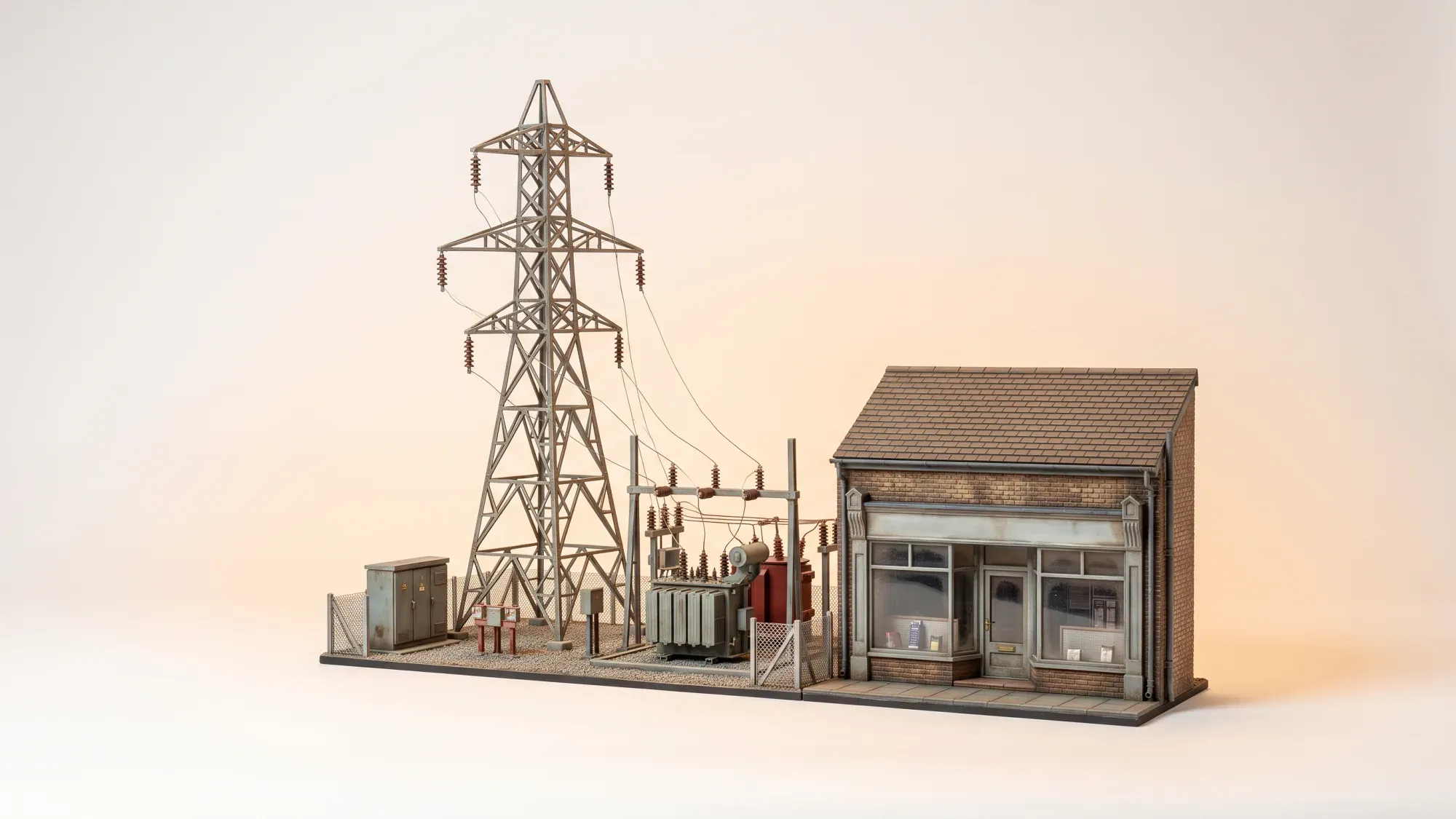
UK businesses face increasing energy resilience challenges due to more frequent and intense heatwaves, which strain the National Grid and elevate operational risks1. The Met Office recorded a new UK June maximum temperature in 2026, highlighting the growing impact of extreme weather. A single hot week can now push the UK grid to its limits, spike a site's energy costs, and put ageing equipment at risk of failure. To counter this, businesses need proactive strategies, as true business energy resilience continuously shapes a site's demand and supply, avoiding problems rather than merely surviving them.
The growing imperative for business energy resilience
The UK's energy landscape is undergoing significant transformation, driven by escalating costs and the urgent need for sustainability. For many businesses, energy has become difficult to predict and control, with wholesale prices fluctuating and non-commodity charges rising. This volatility, coupled with the increasing frequency of extreme weather events, makes energy resilience a critical strategic consideration for commercial operations.
Understanding UK grid vulnerabilities amidst extreme weather
The UK's electricity system faces unusual challenges, particularly during periods of extreme heat. While electricity demand typically rises in cold weather, hotter conditions now create significant strain. High temperatures can reduce the efficiency of some power stations, affect cooling systems, and even lead to reduced generation from sources like wind power. The National Energy System Operator (NESO) has issued warnings and taken emergency measures, such as securing additional generation, to maintain supply during recent heatwaves. This underscores how summer is becoming an increasingly risky season for the power system, a shift from the traditional winter peak demand.
The financial and operational risks of energy disruption
Energy disruptions, whether from grid instability or equipment failure, carry substantial financial and operational risks for businesses. Power outages can lead to lost productivity, damaged goods (especially for cold storage), and increased operational costs from relying on expensive backup generators. Beyond immediate losses, repeated disruptions can harm a business's reputation and customer trust. Proactive energy management is no longer just about cost-cutting; it's about safeguarding continuity and protecting long-term viability.
Proactive strategies for energy resilience
True energy resilience for businesses involves proactively shaping a site's demand and supply to avoid problems, rather than merely surviving them. This strategic shift empowers businesses to take control of their energy future, moving beyond a reactive approach.
On-site generation: commercial Solar PV in the UK
On-site solar generation, particularly commercial Solar PV, offers businesses a direct path to energy independence and cost control. By generating electricity directly at the point of consumption, businesses can reduce their reliance on the grid, lower utility expenses, and gain budget stability. Excess solar energy can be stored or even fed back into the grid, creating additional revenue streams. Solar PV systems can be installed on rooftops, ground-mounted, or as canopies, transforming underutilised space into a valuable energy asset.
Battery storage for peak shaving and power continuity
Battery storage systems are a cornerstone of modern energy resilience strategies. They allow businesses to store electricity generated on-site (e.g., from Solar PV) or drawn from the grid during off-peak hours when prices are lower. This stored energy can then be used during peak demand periods, a practice known as "peak shaving," which significantly reduces energy costs. Crucially, battery storage provides instant backup power during grid outages, ensuring business continuity and protecting critical operations from downtime.
What is peak shaving for businesses?
Peak shaving involves using stored energy from batteries or on-site generation during periods of high electricity demand and cost. By reducing the amount of power drawn from the grid during these expensive times, businesses can significantly lower their energy bills and manage operational expenses more effectively.
Upgrading HV/LV infrastructure for enhanced stability
Investing in upgrades to high-voltage (HV) and low-voltage (LV) infrastructure is essential for improving overall system resilience. Ageing equipment is more susceptible to failure, especially under the stress of extreme temperatures and increased demand. Modernising electrical infrastructure ensures it can handle fluctuating loads, integrate new technologies like solar and battery storage, and withstand environmental challenges. These upgrades enhance reliability, reduce maintenance costs, and prevent costly disruptions.
Smart grid solutions and demand-side response
Smart grid solutions and demand-side response (DSR) capabilities allow businesses to actively manage their energy consumption in real-time. DSR programmes incentivise businesses to reduce or shift their electricity use during periods of high demand or grid stress, often in exchange for financial rewards. Integrating smart meters, energy management systems, and automated controls enables businesses to optimise energy usage, respond dynamically to grid signals, and contribute to overall grid stability. This proactive management transforms energy from a passive cost into a strategic asset.
Implementing your energy resilience plan
Building a robust energy resilience strategy requires a structured approach, moving from assessment to implementation and continuous adaptation.
Assessing your business's energy needs and vulnerabilities
The first step is to conduct a thorough assessment of your current energy consumption patterns, critical loads, and existing infrastructure. Identify peak usage times, potential vulnerabilities to grid instability, and the impact of power outages on your operations. This assessment should consider both financial implications and operational continuity, helping to prioritise areas for intervention.
Developing a phased approach to infrastructure upgrades
Once vulnerabilities are identified, develop a phased plan for infrastructure upgrades. This might involve modernising switchgear, transformers, and cabling to improve reliability and capacity. Prioritise upgrades that address the most critical risks and enable the integration of new energy technologies. A phased approach allows for manageable investment and minimal disruption to operations.
Integrating renewable energy and storage solutions
Seamlessly integrate on-site renewable energy sources, such as commercial Solar PV, with battery storage solutions. This involves careful planning of system sizing, placement, and connection to your existing electrical infrastructure. Consider the potential for smart energy management systems to optimise the interplay between generation, storage, and consumption, maximising both cost savings and resilience.
The future of business energy: abundance and control
The challenges posed by heatwaves and grid strain are not insurmountable. By embracing proactive energy resilience strategies, businesses can transform potential vulnerabilities into opportunities for growth and stability.
Beyond survival: shaping your business's energy future
Instead of merely surviving energy challenges, businesses can actively shape their energy future. Implementing on-site generation and storage solutions shifts the balance of power, giving businesses greater control over their energy supply and costs. This proactive stance fosters an environment of energy abundance, where reliable and cost-effective power is a given, not a constant worry.
Achieving cost control and operational freedom
A comprehensive energy resilience strategy leads to significant cost control and operational freedom. Businesses can mitigate the impact of volatile energy prices, reduce peak demand charges, and avoid the financial penalties of downtime. This newfound control allows for more predictable budgeting, enhanced operational planning, and the freedom to innovate and expand without energy constraints.
Disclaimer
For the avoidance of doubt, this article is provided for informational purposes only and is not intended to constitute legal or financial advice. The author and/or Fuse Energy shall not be responsible for any losses arising out of any reliance on the information contained herein.