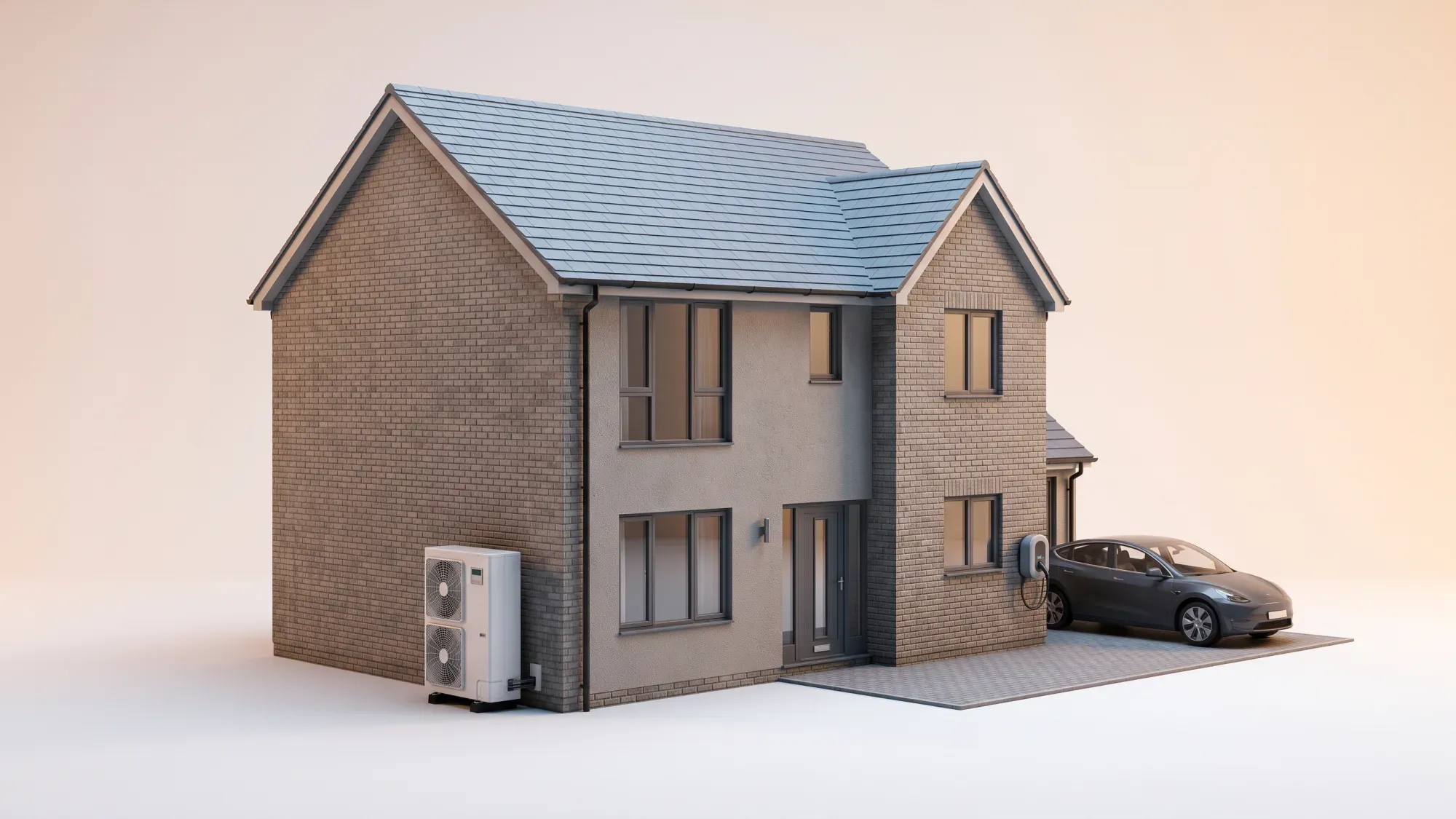
Building codes in the UK are undergoing a significant transformation, moving beyond traditional safety concerns to spearhead a "global green revolution," according to Evelyn Long.1 These changes mandate stricter energy-efficiency standards and the integration of renewable energy, fundamentally reshaping the construction industry.
As UK building codes evolve towards greater energy efficiency, ensuring your home is powered smartly is more important than ever. Switch to Fuse Energy today for clear pricing and smart energy management. Click here to get started.
From safety to sustainability: a global shift
Building codes, traditionally focused on safety, are now at the forefront of a global green revolution. This evolution represents a fundamental rethinking of building design and energy consumption, setting the stage for a more sustainable and resilient future for the built environment. Stricter energy-efficiency standards and the mandatory integration of renewable energy are reshaping the industry from the ground up.
Key drivers for change in the UK construction industry
The UK's ambitious Future Homes Standard aims for a 75% reduction in carbon emissions for new homes, phasing out fossil-Fuel heating in favour of technologies like heat pumps. This policy, released in March 2026, supports the UK’s wider goal of moving toward a cleaner power grid by 2030. Phased updates to building regulations are already reshaping construction, laying out new standards aimed at reducing carbon emissions and promoting energy efficiency.
Core objectives and carbon reduction targets
The Future Homes Standard (FHS) is a major update to building regulations in England, designed to drastically reduce carbon emissions from new homes. It aims for new homes to produce at least 75% less carbon emissions compared to homes built to 2013 standards. This standard will ensure new homes are "zero-carbon ready," built with highly efficient fabric and low-carbon technologies.
Phasing out fossil fuels: the rise of heat pumps
A pivotal aspect of the FHS is the move away from fossil fuels for heating. The standard effectively phases out fossil-Fuel heating, such as gas boilers, in new builds and champions the adoption of low-carbon technologies, such as heat pumps. Heat pumps are central to compliance, as they are a primary technology capable of meeting the rigorous carbon reduction targets of the FHS.
Part l: enhanced energy efficiency standards
Approved Document L (Conservation of Fuel and Power) sets the framework for energy performance and emissions compliance in buildings across England and Wales. It provides guidance on meeting the energy efficiency requirements of the Building Regulations. Central to this are stringent new requirements which demand 75% cuts in carbon emissions for new homes.
Part o: addressing overheating risks
Approved Document O (Overheating) provides guidance on mitigating the risk of overheating in new residential buildings in England. This document requires new homes to be designed to limit unwanted solar gains in summer and provide adequate means to remove excess heat from the indoor environment. This addresses the increasing possibility of overheating due to more airtight and efficient constructions.
Part s: integrating electric vehicle charging points
Approved Document S (Infrastructure for charging electric vehicles) provides technical guidance regarding the installation and charge point requirements for electric vehicles (EVs) in Part S to the Building Regulations. This document mandates the installation of electric vehicle charging points in new residential buildings with associated parking.
Preventing energy waste through high performance
At the heart of every energy-efficient building is a high-performance building envelope. This physical barrier, comprising walls, roof, foundation, and windows, separates the interior from external conditions. Modern building codes are focused on strengthening envelopes to prevent conditioned air from escaping and outside air from entering, which is a primary cause of energy waste.
Innovative materials and construction techniques
A high-performance building envelope starts with a comprehensive design that considers local climate, building orientation, and use. Selecting quality insulation, air barriers, windows, and roofing materials is crucial for overall quality and durability. These materials should meet or exceed energy efficiency standards. Simple air leakage could be responsible for up to 30% of your home's heating and cooling costs, underscoring the importance of ongoing maintenance.
Leveraging smart energy solutions is key to not only meeting new building code requirements but also optimising long-term operational efficiency. Smart meters and smart tariffs enable optimal energy management for homes with heat pumps and high insulation. Fuse's smart tariffs and smart meters help manage energy use effectively, especially with the increased electricity demand from heat pumps.
Integrating electric vehicle charging infrastructure is now a regulatory requirement under Approved Document S. Fuse's Easee One EV charger installation service can be used as part of a compliant solution for Part S requirements, integrating with smart tariffs for cost-effective charging. This helps ensure new builds are future-proofed for the growing adoption of electric vehicles.
Strategic planning for developers and architects
The FHS and related Approved Documents represent a significant shift in the UK construction landscape. Developers and architects must integrate energy-efficient design principles and materials from the outset of every project. Planning for the installation of renewable energy systems and electric vehicle charging infrastructure is no longer optional but a fundamental requirement. Staying updated on evolving regulatory landscapes and best practices in sustainable construction is crucial for compliance and competitive advantage.
The long-term benefits of early adoption
Early adoption of these new standards offers substantial long-term benefits. Properties built to the FHS will have significantly lower running costs than typical existing homes. Beyond compliance, investing in advanced energy solutions creates more attractive, energy-efficient, and lower-running-cost properties, appealing to a market increasingly focused on sustainability and affordability. This proactive approach helps future-proof investments and contributes to a more resilient built environment.
As the UK moves towards a greener built environment, managing your home's energy efficiently becomes paramount. Fuse Energy offers clear pricing, real-time usage data through our app, and 24/7 human customer support to help you make the most of your energy. Switch to Fuse Energy today and join us in building a more sustainable future. Click here to get started, or learn more about our mission here.
References
- Renewable Energy Magazine. How building code changes are reshaping renewable energy