Suspicious incident takes British power plant offline for four days
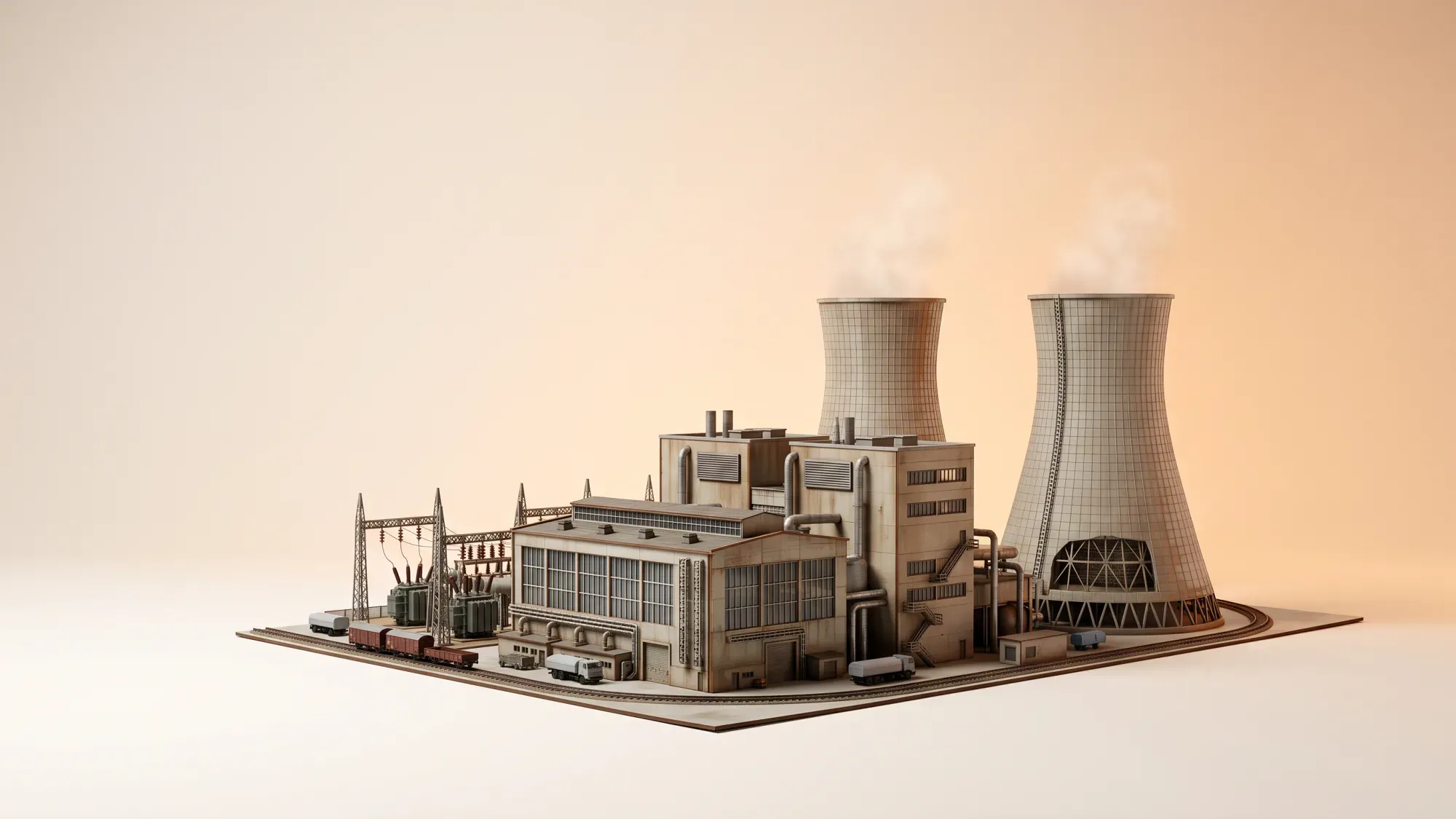
A small British power plant was reportedly taken offline for four days following a suspicious incident1, highlighting potential vulnerabilities within the UK's energy infrastructure. Understanding why such events occur, their impact, and how the UK ensures a stable energy supply is crucial for consumers. Power plant outages are not always dramatic; they can stem from a range of issues, from routine maintenance to external threats. The UK's energy system is a complex network, constantly managed to balance supply and demand and maintain resilience against disruptions.
Managing your home's energy should be straightforward, even when the wider grid faces challenges. Fuse Energy offers clear pricing and real-time usage data through its app, helping you understand and manage your electricity and gas consumption. Click here to switch to Fuse Energy today.
Enter your address to get a quote and see how much you could save
Understanding UK power plants and the National Grid
The backbone of Britain's electricity supply
Power plants form the backbone of the UK's electricity supply, generating the energy that powers homes across the country. This infrastructure is classified as critical national infrastructure (CNI), meaning its continuous operation is essential for national security, economic stability, and public safety. The UK's energy mix is diverse, incorporating gas, nuclear, wind, and solar power to meet demand. In 2023, renewables supplied 47% of the UK's electricity, with gas contributing 28% and nuclear 11%. The average UK home uses around 2,500 kWh of electricity per year, underscoring the scale of energy required daily.
How the National Grid manages supply and demand
The National Grid Electricity System Operator (ESO), soon to be the National Energy System Operator (NESO), is responsible for balancing Great Britain's electricity supply and demand in real-time. This involves managing the flow of electricity, ensuring grid stability, and coordinating the transition towards a Zero-carbon electricity system. The ESO works to prevent blackouts by ensuring there is always enough supply to meet consumer demand and by designing an energy system that meets future infrastructure needs.
Common causes of power plant outages
Power plant outages can arise from various factors, ranging from predictable operational needs to unforeseen external challenges.
Technical faults and equipment failures
Technical faults and equipment failures are common causes of power plant outages. Ageing infrastructure can be more prone to malfunctions, leading to disruptions in supply. These issues can range from minor component failures to significant breakdowns requiring extensive repairs.
Routine maintenance and planned shutdowns
Many outages are planned and necessary for the long-term reliability of the energy system. Routine maintenance and planned shutdowns allow operators to inspect, repair, and upgrade equipment, preventing unexpected failures and ensuring the plant runs efficiently and safely. These scheduled events are carefully coordinated to minimise impact on the overall grid.
Extreme weather conditions
Extreme weather events pose a significant threat to energy infrastructure. Storms, high winds, flooding, and heavy snowfall can damage power lines, substations, and even power plants themselves, leading to widespread outages. Climate change is increasing the frequency of such severe weather, adding pressure to grid resilience.
External threats: cyber attacks and security concerns
Cyber attacks are an increasing threat to critical national infrastructure, including energy systems. In 2023, successful cyber attacks on UK utility companies surged by 586% compared to the previous year, with 48 incidents reported. Nearly all (93%) UK critical infrastructure organisations reported a cyber incident in the past year, with many causing operational disruption. These attacks can target operational technology (OT) and industrial control systems (ICS), which are often reliant on older, connected infrastructure, creating vulnerabilities.
What is Critical National Infrastructure (CNI)?
CNI refers to essential assets, facilities, systems, networks, and processes whose loss or compromise could significantly impact national security, economic stability, or public safety. The UK's energy sector, including power plants and the electricity grid, is designated as CNI, highlighting its vital role in the country's functioning.
Impacts of outages on energy security and consumers
Power outages, regardless of their cause, can have far-reaching consequences for both energy security and daily life.
Localised power cuts versus National Grid disruption
Most power cuts are localised, affecting specific areas due to issues within the distribution network. However, larger incidents, particularly those affecting power plants or transmission infrastructure, can lead to more widespread disruption. While the UK has robust systems to manage grid stability, any significant loss of generation capacity can strain the system.
Economic consequences and supply chain effects
The economic impact of power outages can be substantial. Businesses can face operational downtime, lost revenue, and damage to their reputation. For smaller businesses, even a short outage can be costly, while larger organisations could incur much higher losses. Beyond immediate financial losses, outages can also trigger cascading effects across interconnected sectors, disrupting supply chains and impacting the wider economy.
The role of energy reserves and emergency measures
To mitigate the impact of outages, the UK maintains energy reserves and has emergency measures in place. The National Grid ESO works to ensure sufficient generation capacity and system flexibility to respond to sudden changes in supply or demand. This includes mechanisms like demand-side response programmes, which incentivise consumers to adjust their energy use to support grid stability.
Ensuring resilience: how the UK protects its energy supply
The UK is continuously working to enhance the resilience and security of its energy supply against a backdrop of evolving threats and increasing demand.
Regulatory oversight by Ofgem
Ofgem, the Office of Gas and Electricity Markets, is the energy regulator for Great Britain. Its primary role is to protect the interests of energy consumers by regulating energy markets, setting licence conditions for energy companies, and monitoring compliance. Ofgem's duties include ensuring homes receive affordable, secure, and reliable energy, and transforming the energy system to be sustainable.
Investment in infrastructure and smart grid technologies
Significant investment is being made in upgrading energy infrastructure and deploying smart grid technologies. Smart grids use advanced digital technology to monitor, control, and manage the electricity network, improving efficiency, reliability, and resilience. These technologies enable better integration of renewable energy sources, faster fault detection, and more dynamic management of supply and demand. For instance, real-time active network management systems are being deployed to connect large-scale batteries and optimise power flows.
Diversifying the energy mix for stability
Diversifying the UK's energy mix is a key strategy for enhancing energy security and grid stability. By relying on a range of sources, including gas, nuclear, wind, and solar, the system becomes less vulnerable to disruptions affecting any single fuel type. The British Energy Security Strategy aims to accelerate the delivery of clean energy, with ambitions to significantly increase offshore wind, solar, and nuclear power generation by 2030 and beyond. This strategy is crucial for enhancing energy security.
The future of UK energy: preventing outages and building abundance
The UK's energy future is focused on creating a more robust, resilient, and abundant system, moving away from a scarcity mindset.
The shift towards renewable energy sources
The shift towards renewable energy sources like wind and solar is central to the UK's energy strategy. While renewables introduce intermittency, requiring sophisticated grid management, they also enhance energy independence and reduce reliance on volatile international markets. The rapid deployment of renewables is driving innovation in grid balancing and storage solutions.
Technological advancements in grid management
Technological advancements are transforming how the grid is managed. Smart grid technologies, advanced forecasting, and demand-side response programmes are crucial for integrating a higher proportion of renewables and maintaining stability. These innovations help to optimise energy flows, reduce waste, and respond quickly to fluctuations in supply and demand.
"The UK's energy system is becoming increasingly complex as renewable generation, smart technologies and digital platforms are deployed at scale. While these technologies support decarbonisation and operational efficiency, they also increase the potential attack surface available to adversaries." — Department for Energy Security and Net Zero (DESNZ)
Building a more robust and resilient energy system
Building a more robust and resilient energy system involves continuous investment, regulatory oversight, and technological innovation. Companies like Fuse Energy are contributing to this by investing in diverse generation assets, such as their operational solar and wind projects including Netley North, Bullous Park, and Balnamoon. By vertically integrating and focusing on delivering abundant, clean energy, Fuse aims to enhance grid resilience and reduce the likelihood and impact of outages, helping to build a future with more "power to play with". This approach supports a stable national energy system for residential customers, moving towards a future where energy is abundant and reliable.
Managing your energy bills should be clear and easy to understand. Fuse Energy focuses on straightforward pricing, so you can see exactly what you're paying without unnecessary complexity. If you have a smart meter, you can view detailed usage data through the app or website, helping you understand how you can lower your bills. Our 24/7 human support team is always on hand with fast response times whenever you need help. Click here to switch to Fuse Energy today. Find out about our mission by clicking here.
References
Disclaimer
For the avoidance of doubt, this article is provided for informational purposes only and is not intended to constitute legal or financial advice. The author and/or Fuse Energy shall not be responsible for any losses arising out of any reliance on the information contained herein.