MPs press for air-to-air heat pump inclusion in Boiler Upgrade Scheme
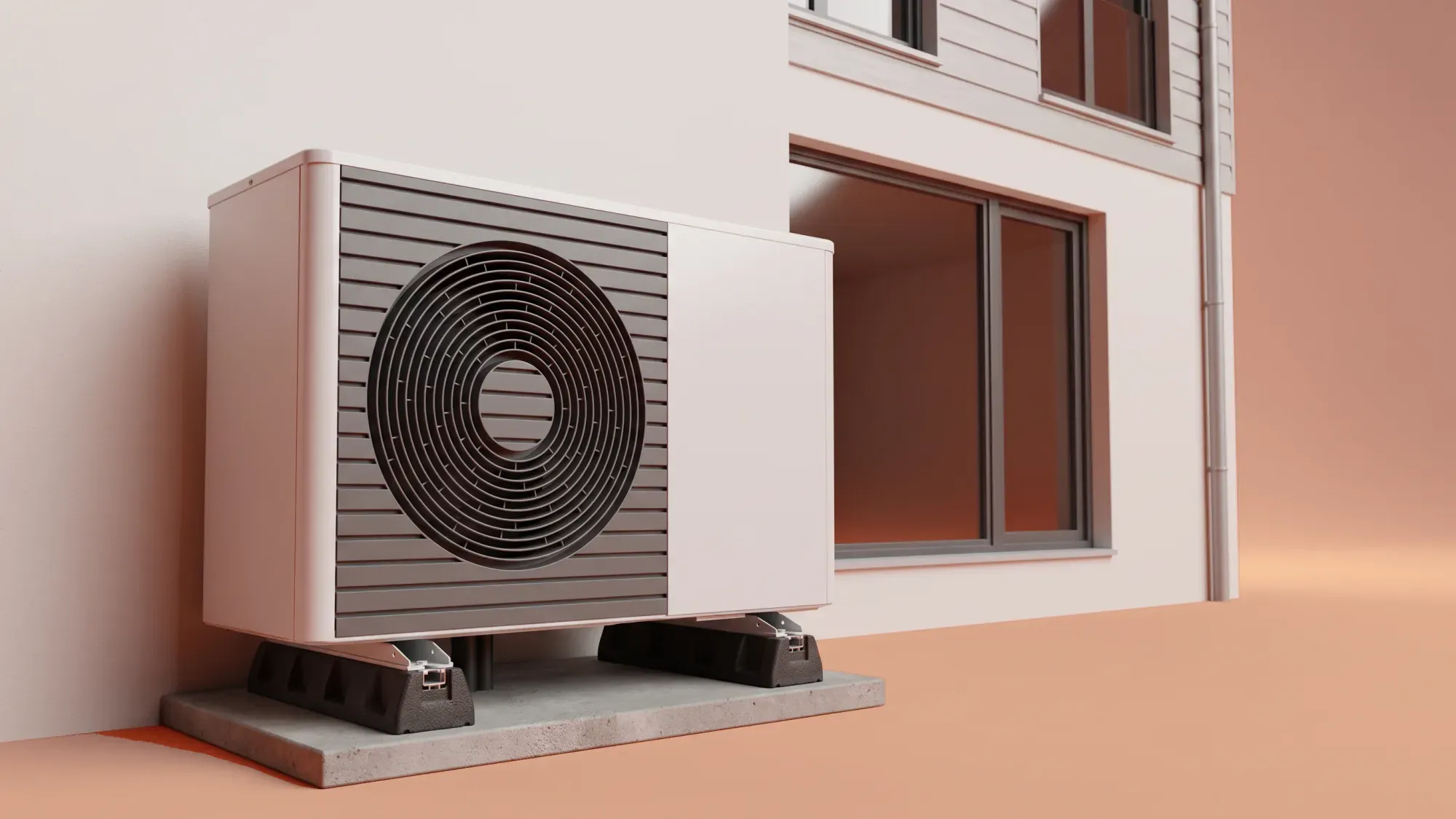
More than 50 UK MPs have signed an open letter urging the Microgeneration Certification Scheme (MCS) and the United Kingdom Accreditation Service (UKAS) to accelerate the certification process for air-to-air heat pumps under the Boiler Upgrade Scheme (BUS)1. This parliamentary pressure highlights growing concerns over delays in making these dual heating and cooling systems fully accessible to homeowners, despite the government's announcement of a £2,500 grant for them. The MPs' action comes as constituents increasingly face issues with overheating homes and seek affordable cooling solutions.
The Boiler Upgrade Scheme (BUS) explained
The BUS is a government initiative in England and Wales designed to help homeowners transition to low-carbon heating systems by reducing the upfront cost of installation. It aims to encourage the adoption of renewable heating technologies and reduce the UK's carbon emissions.
What is the BUS?
The BUS provides upfront grants to property owners to help them install low-carbon heating systems. The scheme is installer-led, meaning an MCS-certified installer applies for and redeems the vouchers on behalf of the homeowner, deducting the grant amount from the total cost. For air-to-air heat pumps, the grant offers £2,500 off the cost and installation.
Eligibility criteria for homeowners and properties
To be eligible for the BUS, you must own the property, which can include second homes and some rental properties, and it must be located in England or Wales. The new heating system must replace an existing fossil fuel system, such as an oil or gas boiler, or an electric heating system without a heat pump. Properties must also have a valid Energy Performance Certificate (EPC), though there is no minimum EPC band requirement. However, any recommendations for loft or cavity wall insulation on the EPC must be installed before a heat pump. New-build homes are generally not eligible, but self-build properties can be.
Air-to-air heat pumps: heating, cooling, and efficiency
Air-to-air heat pumps are gaining recognition as a versatile and efficient home heating and cooling solution in the UK. They offer a distinct approach compared to traditional heating systems.
How air-to-air heat pumps work
Air-to-air heat pumps operate similarly to air-to-water heat pumps, but instead of heating water for radiators or underfloor systems, they warm the air directly inside the building. They typically consist of an outdoor unit and at least one indoor unit, with refrigerant pipes connecting them. When heating, they extract heat from the outside air, even in low temperatures, and transfer it indoors. For cooling, the process reverses, removing heat from inside the home.
Dual benefits: heating and cooling for UK homes
One of the most compelling advantages of air-to-air heat pumps is their dual functionality, providing both heating in colder months and cooling during warmer periods. This makes them particularly relevant for addressing concerns about overheating homes, especially in urban areas, and offers an affordable cooling solution. They are well-suited for smaller homes, flats, or properties without existing wet central heating systems, offering a less disruptive installation process.
What is the main benefit of an air-to-air heat pump?
The primary benefit of an air-to-air heat pump is its dual capability to provide both efficient heating and cooling for your home. This makes it a versatile solution for maintaining comfort year-round, addressing both cold winters and increasingly warm summers in the UK, while also reducing energy consumption.
Energy efficiency and environmental impact
Air-to-air heat pumps are highly energy-efficient, significantly outperforming traditional heating systems like gas boilers. Air source heat pumps can achieve efficiencies of 300% or more, meaning they deliver at least three units of heat for every one unit of electricity consumed. This exceptional efficiency not only reduces a household's carbon footprint by using renewable heat from the air but also translates into substantial savings on energy bills.
The current delay: certification and accreditation challenges
Despite the government's announcement of a £2,500 grant for air-to-air heat pumps under the BUS, actual installations and voucher generation have faced significant delays.
Parliamentary pressure and the open letter
More than 50 UK MPs have signed an open letter to the MCS and the UKAS, urging them to expedite the certification and accreditation processes. The MPs highlight that their constituents are increasingly concerned about overheating homes and the need for affordable cooling solutions. They argue that it is difficult to justify unnecessary delays in deploying a technology that can simultaneously reduce emissions, lower energy costs, and help households remain safe and comfortable during periods of extreme heat.
"It is difficult to justify unnecessary delays in enabling wider deployment of a technology that can simultaneously reduce emissions, lower energy costs, and help households remain safe and comfortable during periods of extreme heat." — UK MPs' Open Letter to MCS and UKAS
The role of MCS and UKAS
The MCS sets and maintains standards for low-carbon energy technologies and the installers who fit them. For a heat pump installation to be eligible for BUS grants, the installer must be MCS-certified. The UKAS is the national accreditation body responsible for assessing and accrediting organisations that provide certification, testing, and inspection services, ensuring they meet international standards. While air-to-air heat pumps were officially included in the BUS from the end of April, the specific product standards, testing processes, and active installer certification frameworks are still being finalised by MCS and UKAS. MCS is actively progressing work to bring air-to-air heat pumps into its certification framework, developing new technical standards and competency requirements.
Impact on homeowners and grant access
The ongoing delays in finalising certification and accreditation mean that homeowners cannot yet access the £2,500 grant for air-to-air heat pump installations, despite the government's approval. This situation has led to confusion and frustration among those looking to invest in these dual heating and cooling systems. The lack of fully accredited installers means that even if homeowners are ready to proceed, the pathway to claiming the grant is currently stalled.
Navigating the BUS application process for air-to-air systems
While the certification for air-to-air heat pumps under the BUS is being finalised, homeowners can still prepare for future applications.
Finding an MCS-certified installer
The BUS is installer-led, meaning your chosen installer will handle the grant application on your behalf. It is crucial to select an installer who is certified by the MCS, as this is a mandatory requirement for any BUS grant application. MCS certification ensures that installers meet recognised industry standards for quality, competency, and customer care.
Understanding the grant voucher process
Once an MCS-certified installer is selected, they will apply for a grant voucher from Ofgem, the scheme administrator. The grant amount will then be deducted from the total cost of your installation. It is important to note that the voucher has a validity period (e.g., three months for air source heat pumps), so installations must be completed and certified within this timeframe. Homeowners should work closely with their installer to ensure all steps are followed correctly once air-to-air heat pump certification is fully in place.
Preparing for future applications
Even with current delays, homeowners interested in air-to-air heat pumps can take proactive steps. Researching the technology, assessing your property's suitability, and identifying potential MCS-certified installers who plan to offer air-to-air systems once certification is complete can put you in a strong position. Ensuring your property meets the general BUS eligibility criteria, such as having a valid EPC and addressing any insulation recommendations, is also advisable.
The future of air-to-air heat pumps in UK policy
The inclusion of air-to-air heat pumps in the BUS signals a broader recognition of their potential role in the UK's energy transition.
Addressing overheating homes and climate change
Air-to-air heat pumps offer a compelling solution for two growing challenges: reducing carbon emissions from home heating and providing much-needed cooling during increasingly frequent heatwaves. Their ability to efficiently heat and cool makes them a year-round solution for comfort and sustainability, contributing significantly to climate change adaptation efforts.
Potential for wider adoption and energy transition
The expansion of the BUS to include air-to-air heat pumps is a step towards wider adoption of low-carbon heating solutions. These systems can be particularly beneficial for properties where traditional wet central heating systems are not present or would require significant upgrades, such as smaller homes, flats, or those currently relying on direct electric heating. This broadens the scope of properties that can benefit from renewable heating, supporting the UK's energy transition goals.
What homeowners can expect next
Homeowners should continue to monitor updates from MCS, UKAS, and the government regarding the finalisation of certification and accreditation for air-to-air heat pumps under the BUS. Once these processes are complete, the £2,500 grant will become fully accessible, enabling more households to benefit from these efficient and versatile systems. An MCS-certified installer can guide homeowners through the BUS application process for eligible heat pumps.
References
Disclaimer
For the avoidance of doubt, this article is provided for informational purposes only and is not intended to constitute legal or financial advice. The author and/or Fuse Energy shall not be responsible for any losses arising out of any reliance on the information contained herein.