Boiler price: CHMM to add £300 to costs from April 2025
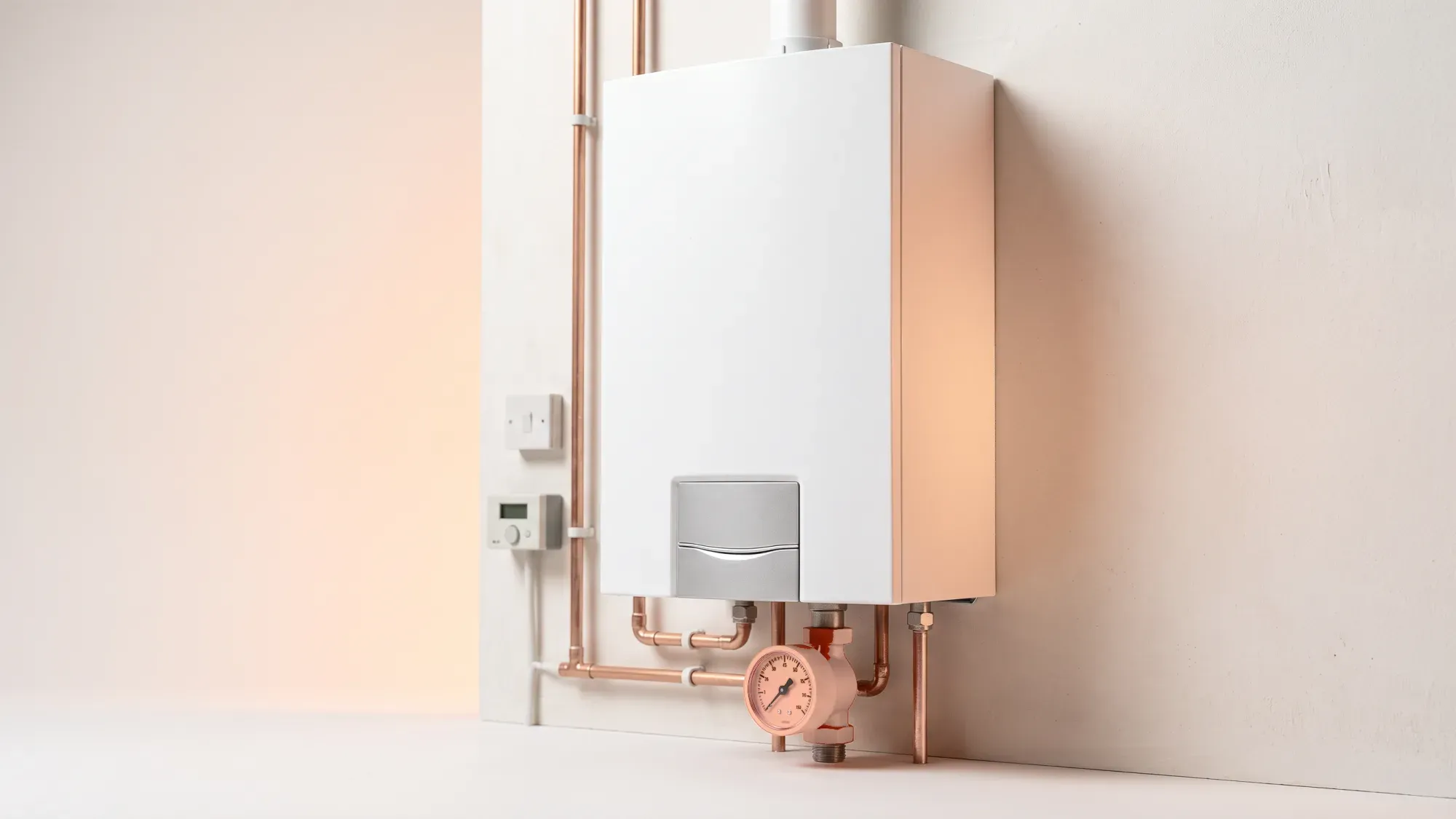
UK households could face an increase of up to £300 on new boiler prices from April 20251, driven by the Clean Heat Market Mechanism (CHMM). This government initiative aims to promote low-carbon heating, but its penalties for boiler manufacturers are expected to be passed directly to consumers. Understanding these changes is crucial for budgeting your home heating effectively.
Thinking about Boiler price? Fuse Energy installs the Vaillant Ecotec Plus gas boiler with full planning, installation, and final checks. Tap the quote button below to get a quote.
Understanding current boiler prices in the UK
The cost of a new boiler in the UK is not a fixed figure; it varies significantly based on several factors, from the type of boiler to the complexity of its installation. Homeowners typically consider both the unit price and the associated installation expenses when planning an upgrade.
Factors influencing boiler costs
Several elements contribute to the overall cost of a new boiler. These include the boiler type (combi, system, or regular), its brand and model, the required power output (kW) for your home's size, and the fuel type it uses (gas, oil, or electric). The complexity of the installation also plays a major role, with straightforward like-for-like replacements generally being less expensive than conversions or relocations. Additional costs can arise from extras such as filters, smart controls, or radiator upgrades.
Average costs by boiler type
The unit price for a new boiler in the UK typically ranges from around £500 to several thousand pounds, excluding installation. Once installation and other necessary extras are included, the total cost can range from around £2,000 to over £6,000.
Here's a general breakdown of average supply-only costs by boiler type:
- Combi boilers: These popular units, which provide hot water on demand without a separate tank, typically cost from several hundred pounds to £2,000 for the unit itself. Installed, a combi boiler replacement usually costs from around £2,000 to over £4,000.
- System boilers: Ideal for homes with higher hot water demand and multiple bathrooms, system boilers generally range from £500 to £2,500 for the unit. Installation costs for a system boiler replacement typically fall between around £2,000 and £3,500.
- Regular boilers (conventional/heat-only): Often found in older, larger homes, these boilers require both a hot water cylinder and a cold water tank. The unit cost for a conventional boiler is usually from several hundred pounds to several thousand pounds. Installed, a conventional boiler replacement typically costs from around £2,000 to £3,000.
The Clean heat market mechanism (CHMM) explained
The CHMM is a significant policy change affecting the UK heating market, particularly for those considering a new boiler.
What is the CHMM?
The CHMM is a government initiative, set to begin in April 2025. Its primary goal is to accelerate the adoption of low-carbon heating technologies, predominantly electric heat pumps, to help the UK achieve its Net Zero emissions targets by 2050. The mechanism places obligations on manufacturers of gas and oil boilers to meet specific targets for installing heat pumps in existing properties. Manufacturers earn 'credits' for each qualifying heat pump installation.
What is the CHMM?
The CHMM is a government policy starting April 2025. It requires gas and oil boiler manufacturers to meet targets for heat pump installations. The aim is to promote low-carbon heating and reduce the UK's carbon emissions, contributing to Net Zero goals.
How the CHMM impacts boiler prices
Under the CHMM, boiler manufacturers that fail to meet their heat pump installation targets face financial penalties. These penalties are expected to be passed on to consumers in the form of higher boiler prices. The policy applies to companies supplying 20,000 or more gas boilers, or 1,000 or more oil boilers annually. For every heat pump unit a manufacturer falls short of their quota, they could face a penalty of £3,000, according to Baxi. This has led to the policy being colloquially referred to as a "boiler tax" or "boiler levy".
Projected price increases from April 2025
The impact of the CHMM on boiler prices is significant. Aquashield, a heating and cooling company, stated that "UK manufacturers of domestic gas boilers we will have no choice but to pass on (or add) the cost of these punitive fines (or boiler lax) as a CHMM Levy onto the cost of boilers". This could mean that "prices will increase by as much as £300, then add the cost of VAT and the true costs becomes much closer to £360". This potential increase could raise the average installation cost of a new boiler to over £2,360. Baxi, a boiler manufacturer, said it added a £120 surcharge to its residential boilers to cover potential penalties.
Types of boilers and their suitability
Choosing the right boiler type for your home is crucial for efficient heating and hot water supply. Each type has distinct characteristics that suit different household needs.
Combi boilers
Combi (combination) boilers are the most popular choice in the UK, known for their compact size and ability to provide hot water on demand directly from the mains. They eliminate the need for separate hot water cylinders or cold water tanks, making them ideal for smaller to medium-sized homes with limited space. Combi boilers are also highly energy-efficient as they only heat water when needed.
System boilers
System boilers work with a separate hot water cylinder, but unlike regular boilers, they don't require a cold water storage tank in the loft. They are well-suited for larger homes with multiple bathrooms and higher hot water demands, as they can supply hot water to several taps simultaneously. System boilers are efficient and provide a constant supply of hot water, making them a good option for busy households.
Regular boilers
Also known as conventional or heat-only boilers, regular boilers are typically found in older and larger homes with traditional heating systems. They require both a hot water cylinder and a cold water tank, usually located in the loft. While they take up more space, they can be a suitable replacement if your home already has this setup and the existing tanks are in good condition.
Boiler installation costs and key considerations
Beyond the boiler unit itself, installation costs form a significant part of the overall expense. Understanding what these costs cover and what influences them is essential for accurate budgeting.
What's included in installation costs?
A typical boiler installation quote should encompass several key services. This usually includes the removal and disposal of your old boiler, any necessary adjustments to pipework, system flushing to clear debris, and the commissioning of the new boiler. It also covers the labour of a qualified heating engineer, standard materials, and fitting of flues and controls.
Factors affecting installation price
The cost of boiler installation can vary widely, typically ranging from £500 to £1,500 for labour alone, depending on the job's complexity and location. A straightforward like-for-like boiler swap in the same location is generally the cheapest option, often completed within a day. However, more complex jobs will increase the price, such as:
- Converting boiler types: Switching from a regular or system boiler to a combi boiler, or vice versa, often requires significant changes to pipework and can add hundreds or even thousands to the cost.
- Relocating the boiler: Moving the boiler to a new position in your home involves additional pipework and labour, increasing the overall expense.
- System upgrades: If your existing heating system requires upgrades, such as new radiators, smart thermostats, or a power flush, these will add to the total cost.
- Location: Prices can be higher in metropolitan areas like London and the South East due to increased demand and labour costs.
Choosing a qualified installer
For safety and compliance, it is paramount to choose a qualified installer. By law, any work on gas appliances in the UK must be carried out by an engineer registered with the Gas Safe Register. The Gas Safe Register is the official body that maintains a list of competent and qualified engineers, ensuring they meet high safety standards. Always ask to see an engineer's Gas Safe ID card, which confirms their registration and the types of gas work they are qualified to perform.
Budgeting for your new boiler
Planning for a new boiler involves more than just the upfront purchase and installation costs; it also means considering long-term expenses and potential future changes.
Long-term running costs and energy efficiency
Investing in an energy-efficient boiler can lead to significant savings on your energy bills over its lifespan. When considering efficiency, it's worth noting that air source heat pumps, which the CHMM aims to promote, can achieve efficiencies of 300% or more, producing 3 kWh or more of heat for every 1 kWh of electricity used. This means they can deliver three to four times more heat energy than the electrical energy they consume.
Financing options and grants
While a new boiler is a significant investment, various financing options and grants may be available to help manage the cost. Some energy suppliers offer grants under schemes like the Energy Companies Obligation (ECO), though eligibility criteria apply. It is advisable to explore these options and consult with your energy provider or a financial adviser to understand what support you might qualify for.
Preparing for future price changes
With the CHMM set to increase boiler prices from April 2025, planning ahead is more important than ever. The projected £300-£360 increase means that delaying a boiler replacement could result in higher costs. Homeowners should factor in these potential price rises when budgeting for future home improvements.
Fuse Energy's approach to home heating
Fuse Energy focuses its expertise on providing high-quality, efficient heating solutions. We exclusively install Vaillant ecoTEC Plus gas boilers. This allows us to ensure quality and efficiency for our customers, offering a specific and reliable option within the evolving UK heating landscape.
We believe in clear, upfront communication about costs. Our approach ensures you understand all aspects of your new boiler and its installation. While we specialise in Vaillant ecoTEC Plus boilers and do not install heat pumps or other boiler brands, we acknowledge the broader energy transition and the role of policies like the CHMM in promoting low-carbon heating. Our goal is to provide you with the information and services you need to make the best decision for your home's heating.
Thinking about Boiler price? Fuse Energy installs the Vaillant Ecotec Plus gas boiler with full planning, installation, and final checks. Tap the quote button below to get a quote.
References
Disclaimer
For the avoidance of doubt, this article is provided for informational purposes only and is not intended to constitute legal or financial advice. The author and/or Fuse Energy shall not be responsible for any losses arising out of any reliance on the information contained herein.