Bio-inspired wind turbine technology explained
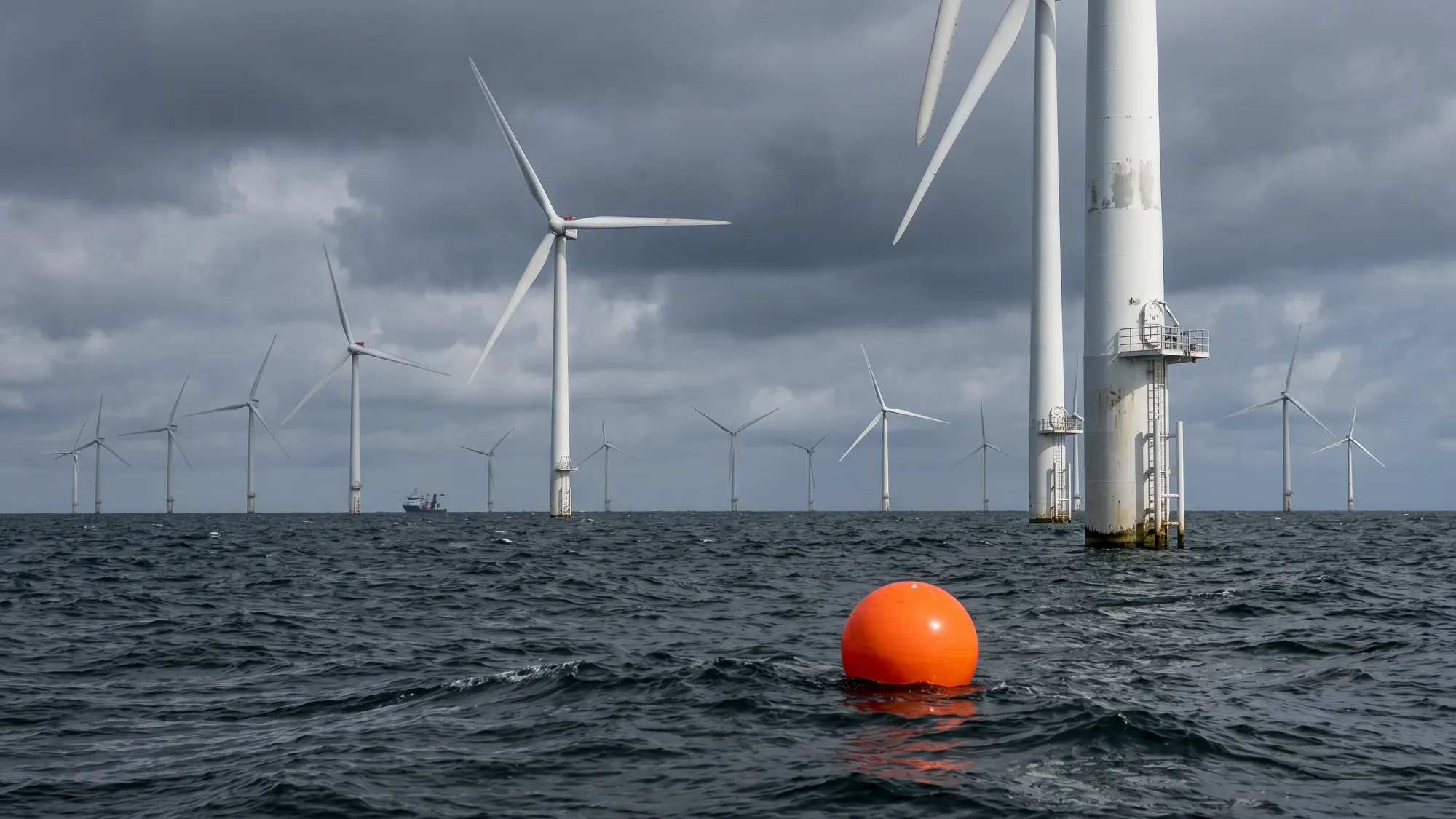
Wind energy is crucial for the UK's clean energy future, but it faces a persistent challenge: the trade-off between generating more power and reducing noise. Many professionals and enthusiasts in the UK are keen to understand how advanced innovations can resolve this. The answer might lie in biomimicry, a rigorous engineering discipline that draws inspiration from nature's most efficient designs.
Harnessing the power of nature's ingenuity, bio-inspired wind turbine technology aims to make renewable energy generation both more effective and less intrusive. If you are interested in how innovation can lead to a cleaner, more efficient energy future, consider exploring Fuse Energy's mission to deliver abundant, clean energy for the future.
Understanding how bio-inspired wind turbine technology can shape the future of energy is exciting. At Fuse Energy, we are committed to a future where clean energy is abundant and accessible for every home. Click here to switch to Fuse Energy today.
Enter your address to get a quote and see how much you could save
The promise of biomimicry in wind energy
What is biomimicry engineering?
Biomimicry engineering involves applying nature's proven designs and processes to solve complex human challenges. Instead of reinventing the wheel, engineers look to billions of years of evolution for elegant, efficient solutions. From the self-cleaning properties of a lotus leaf inspiring new surface coatings to the structural integrity of bone informing architectural design, biomimicry offers a vast library of innovations. In the context of energy, it means studying biological systems to develop more efficient and sustainable technologies.
Overcoming traditional wind energy trade-offs
Traditional wind turbine blade designs often face a dilemma: optimising for maximum power generation can increase noise, while reducing noise can compromise efficiency. This conflict limits where turbines can be deployed, particularly in onshore locations closer to communities. Biomimicry offers a pathway to overcome this, suggesting that nature has already solved similar aerodynamic and aeroacoustic challenges. By integrating these natural solutions, engineers aim to create turbine blades that are both more powerful and significantly quieter, enabling wider adoption and greater energy abundance without compromise.
Project WHOWL: UK innovation inspired by nature
Humpback whale flippers: enhancing aerodynamic control
The humpback whale, a creature of immense size, moves through water with surprising agility, thanks in part to the unique design of its flippers. Unlike smooth hydrofoils, humpback whale flippers feature prominent, rounded bumps called tubercles along their leading edge. These tubercles disrupt the flow of water, creating vortices that delay flow separation, reduce drag, and improve lift, especially at high angles of attack. Translating this to wind turbine blades, engineers believe that similar tubercle-inspired designs could enhance aerodynamic control, allowing blades to operate more efficiently across a wider range of wind speeds and reducing stall.
Barn owl feathers: mastering silent flight
Barn owls are renowned for their almost silent flight, a crucial adaptation for hunting prey in darkness. Their feathers possess unique micro-structures, including a soft fringe along the trailing edge of its wing feathers. This feature works to suppress turbulence and reduce the aeroacoustic noise typically generated by airflow over a wing. By understanding and replicating these principles, bio-inspired engineering aims to significantly reduce the noise emitted by wind turbine blades, addressing a major concern for communities near wind farms.
Northumbria university's pioneering research
In a significant step for UK renewable energy innovation, researchers at Northumbria University have secured a national grant of approximately £500,000 for "Project WHOWL"1. This 24-month initiative aims to redesign wind turbine blades by combining the aerodynamic advantages of humpback whale flippers with the silent flight mechanisms of barn owl feathers. The project seeks to address the long-standing conflict between power generation and noise reduction in wind turbines.
"The humpback whale and the owl have each evolved their own way to move efficiently and quietly, and we're bringing both solutions together on a single wind-turbine blade for the first time." — Dr Xiang (Shaun) Shen, Senior Lecturer in Aerodynamics at Northumbria University
This pioneering research, funded by UK Research and Innovation (UKRI) through the Engineering and Physical Sciences Research Council (EPSRC), represents a rigorous engineering breakthrough, moving biomimicry beyond mere aesthetic inspiration to quantifiable outcomes.
Tangible benefits for UK clean energy
Boosting energy output and efficiency
Project WHOWL targets a 5% improvement in energy output from wind turbines. This seemingly modest percentage translates into substantial gains when scaled across the UK's growing wind energy capacity. Increased efficiency means more electricity generated from the same wind resource, contributing directly to the nation's clean energy goals and reducing reliance on fossil fuels. This advancement could help the UK generate more power without needing to instal a proportionally larger number of turbines.
Significant noise reduction for wider acceptance
One of the most critical objectives of Project WHOWL is to achieve a 6-10 decibel noise reduction. Noise pollution is a primary factor limiting the deployment of wind turbines, particularly onshore. Quieter turbines can be sited closer to demand centres, reducing transmission losses and increasing the overall viability of wind energy projects. This reduction in noise is vital for public acceptance and the wider adoption of wind power, fostering a more harmonious integration of renewable energy into the landscape.
How much energy could Project WHOWL generate for the UK?
Project WHOWL's innovations could potentially power around a million UK homes annually, based on the average UK home using approximately 3,800 kWh of electricity per year, as reported by Ofgem. This increased output would also help avoid approximately one million tonnes of CO₂ annually.
Environmental impact and carbon emission reduction
The projected improvements from Project WHOWL have significant environmental implications. By potentially powering around a million UK homes annually (calculated against an average UK home electricity consumption of 3,800 kWh per year, as reported by Ofgem), the technology could avoid approximately one million tonnes of CO₂ emissions each year. This substantial reduction in carbon emissions directly supports the UK's climate change targets and accelerates the transition to a sustainable, low-carbon economy. It exemplifies how nature-based engineering can address global challenges.
The future of sustainable wind power
Integrating bio-inspired designs into the offshore wind supply chain
The innovations from Project WHOWL hold immense potential for integration into the UK's robust offshore wind supply chain. While the project focuses on fundamental blade design, successful prototypes could inform the next generation of turbine blades for both onshore and offshore applications. The UK is a global leader in offshore wind, and incorporating these bio-inspired designs could further solidify its position, driving efficiency and reducing the environmental footprint of future wind farms. Collaborations with industry players like ORE Catapult will be crucial for scaling these engineering breakthroughs.
The role of innovation in energy abundance
Projects like WHOWL underscore the critical role of innovation in achieving energy abundance. By dismantling traditional trade-offs between power generation and noise, bio-inspired technology enables more energy to be generated with fewer negative impacts. This aligns with a vision where energy is not a scarce resource to be conserved, but an abundant, clean utility that unlocks human progress. Such engineering breakthroughs allow us to build more, create more, and dream more, without the constraints of energy scarcity or environmental compromise.
Fuse Energy: championing a future of abundant clean energy
Supporting UK research and innovation
At Fuse Energy, we highlight pioneering UK initiatives like Project WHOWL. This kind of rigorous, fact-backed scientific research demonstrates how nature's ingenuity can enable a future of abundant, clean energy. Fuse Energy's vision is aligned with such engineering breakthroughs, contributing to a rebuilt, more efficient, and widely accepted energy infrastructure for the UK.
Our vision for a no-trade-offs energy system
Project WHOWL directly addresses the conflict between power generation and noise, removing a significant barrier to wind energy deployment. This perfectly embodies Fuse Energy's 'no trade-offs' philosophy: people should not have to choose between living today and having a great life tomorrow. Innovations that deliver more energy without compromise align with Fuse Energy's commitment to delivering the abundant, clean energy the future requires.
Managing your home's energy should be simple and transparent. Fuse Energy offers clear pricing, real-time usage data through our app, and 24/7 human customer support to help you take control of your energy bills. We believe in an energy future where abundance, not scarcity, is the norm. Click here to switch to Fuse Energy today and join us in building a cleaner, more efficient energy system. You can also find out more about our mission by clicking here.
References
- Northumbria University. More power, less noise: what wind energy can learn from wildlife
Disclaimer
For the avoidance of doubt, this article is provided for informational purposes only and is not intended to constitute legal or financial advice. The author and/or Fuse Energy shall not be responsible for any losses arising out of any reliance on the information contained herein.