Understanding the Bank of England rate hike
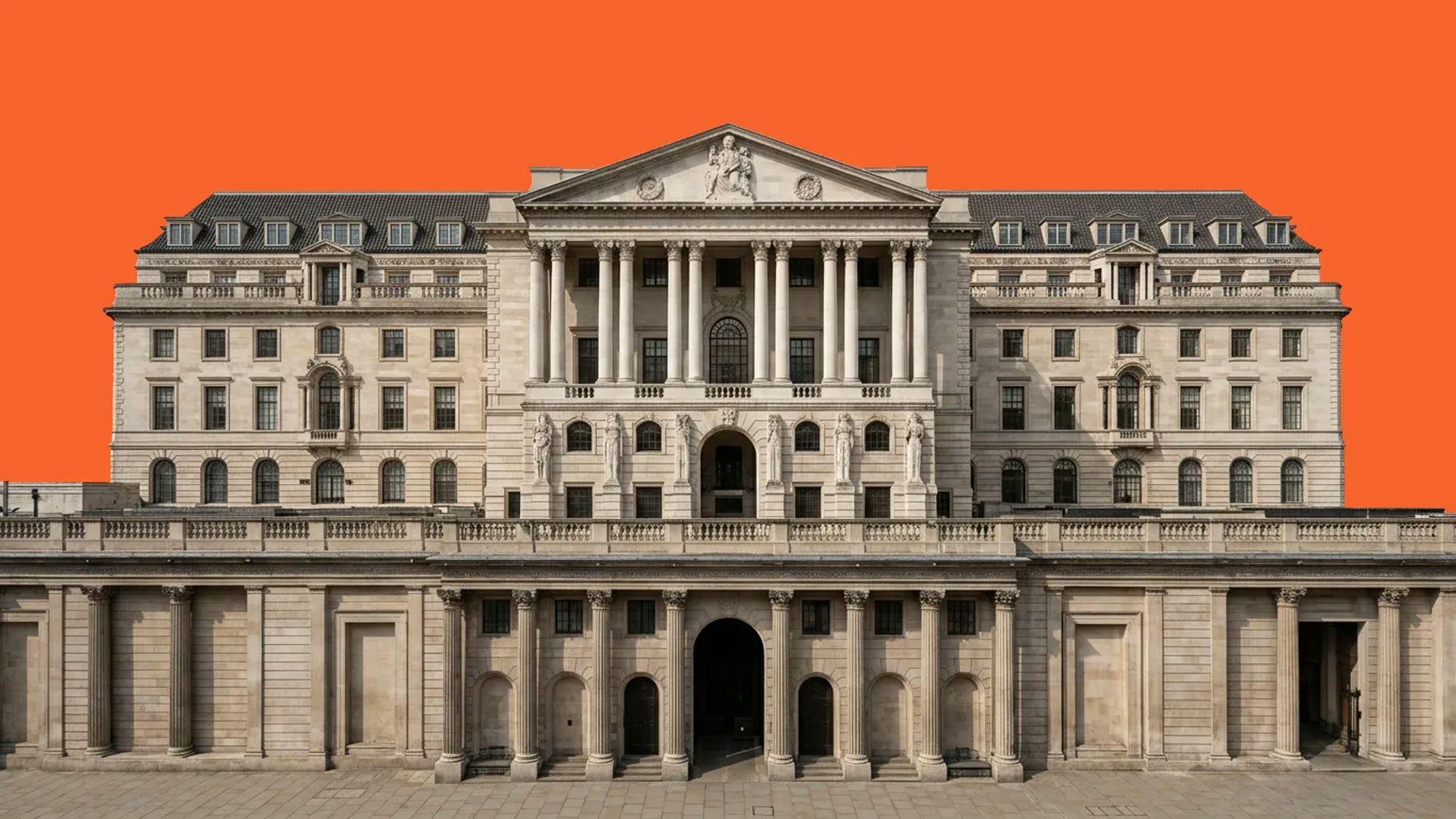
Many UK adults are concerned about how Bank of England rate hikes will affect their finances, particularly their mortgages and the overall cost of living. Often, these decisions are driven by rising energy costs, which directly hit household budgets. This article explains why the Bank of England raises rates, how energy prices play a crucial role, and what this means for your household energy bills. We'll also explore how a different approach to energy can help navigate these economic pressures.
Understanding the interplay between energy prices and economic policy can help you manage your household budget. Fuse Energy aims to provide clear pricing and real-time usage data to help you take control of your energy costs. Click here to switch to Fuse Energy today.
Enter your address to get a quote and see how much you could save
The bank of England's role in stabilising the UK economy
The Bank of England isn't just there to print money; its primary job is to keep the UK economy stable, with a laser focus on maintaining price stability. That means keeping inflation under control.
What is a rate hike and why does it happen?
A rate hike is when the Bank of England increases its base interest rate. This rate influences the interest rates offered by commercial banks for loans and savings. When the Bank raises rates, borrowing becomes more expensive, which can cool down economic activity and, in theory, reduce inflation. It's a tool to slow down price rises when the economy is overheating or when external shocks push up costs.
The monetary policy committee and inflation targeting
The decisions on UK interest rates are made by the Monetary Policy Committee (MPC), a body within the Bank of England. The Government sets the Bank of England an inflation target of 2%. If inflation looks set to rise above this, the MPC might consider raising rates to bring it back down. It's a constant balancing act, trying to cool prices without stifling economic growth.
Energy prices: a key driver for UK interest rate decisions
Global energy prices, especially for oil and natural gas, are significant drivers of inflation in the UK. When these prices spike, they push up costs across the economy, from manufacturing to transport, and ultimately, household bills.
The link between natural gas, oil, and cpi inflation
The UK is heavily reliant on imported energy, making it vulnerable to global price fluctuations. A surge in the cost of crude oil affects petrol prices and the cost of goods transport, while rising natural gas prices directly impact household heating bills and electricity generation costs. These increases feed directly into the Consumer Price Index (CPI), which is the main measure of inflation. When CPI inflation rises significantly, the Bank of England takes notice.
Ing's forecasts and the risk of a July rate hike
Analysts at ING have highlighted the direct link between energy prices and potential rate hikes.1 According to James Smith, an ING analyst, "We're pencilling in a one-and-done rate rise this summer" if this scenario unfolds. ING's Commodities team forecasts oil reaching $120/bbl and natural gas climbing towards €70/MWh by the fourth quarter. This suggests that while a single hike might be considered sufficient, the trigger for it is firmly rooted in energy market volatility.
ING analysts highlight that a material spike in oil and, crucially, natural gas prices this July would make it harder for the Bank of England to avoid hiking rates.
Understanding 'second-round effects' on the economy
The Bank of England isn't just worried about the immediate impact of higher energy prices. They're also concerned about 'second-round effects'. This refers to a situation where initial price shocks, like those from energy, lead to broader wage and price increases across the economy. For example, if businesses face higher energy costs, they might pass those on to consumers through higher prices, and workers might demand higher wages to cover their increased cost of living. This can create a self-perpetuating cycle of inflation, making it harder to bring prices back down.
How rate hikes impact UK households and the cost of living
When the Bank of England raises interest rates, the effects ripple through the economy, impacting households in various ways. It's not just about mortgages.
Beyond mortgages: the broader impact on household budgets
While mortgage holders often feel the most immediate pinch from rate hikes due to increased repayments, the impact extends much further. Higher interest rates can lead to increased costs for other forms of borrowing, such as personal loans and credit cards. Businesses also face higher borrowing costs, which can be passed on to consumers through higher prices for goods and services. This contributes to a broader cost of living crisis, making everything from groceries to transport more expensive.
The direct effect on household energy bills and anxiety
Even if your mortgage isn't directly affected, rate hikes can still indirectly influence your household energy bills. The underlying reason for a rate hike - often high inflation driven by energy prices - means that the cost of electricity and gas is already elevated. While interest rate adjustments don't directly change the unit price of energy, they reflect a wider economic tightening that makes managing these already high costs more challenging. This creates anxiety for households trying to balance their budgets.
How do Bank of England rate hikes affect household energy bills?
While rate hikes don't directly change energy unit prices, they reflect broader economic tightening often driven by high energy costs. This means households are already paying more for energy, and the rate hike signals a wider cost of living squeeze, making it harder to manage these elevated bills.
Navigating economic tightening with abundant energy
In an era of economic tightening and persistent energy price volatility, households are often told to "use less" or "conserve energy." But what if there was a different way?
Challenging the scarcity mindset in a high-cost environment
The traditional response to high energy costs and economic uncertainty is often rooted in a scarcity mindset: cut back, sacrifice, and live with less. However, this approach overlooks the potential for abundant, clean energy to mitigate these pressures. Imagine a future where energy is so cheap and plentiful that its price volatility no longer dictates central bank decisions or causes widespread household anxiety. This challenges the notion that we must always choose between living today and securing a better tomorrow.
Fuse Energy's vision for stable, affordable energy
Fuse Energy is working to rebuild the energy system from the ground up, aiming to deliver abundant, clean energy. Our long-term vision is to create a vertically integrated energy system that removes energy price volatility as a significant driver of inflation and economic uncertainty. By making energy cheap and clean, we believe it's your right to use more energy, not less. This approach empowers households to manage their energy costs effectively, allowing them to use energy without the constant fear of rising prices exacerbated by rate hikes. Fuse Energy focuses on managing your energy costs, not offering financial advice on mortgages or investments.
The UK economic outlook and future expectations
Understanding the broader economic picture helps households prepare for what might come next.
Bank of England forecasts and policy scenarios
The Bank of England continuously monitors economic indicators and publishes forecasts to guide its monetary policy decisions. These forecasts consider various scenarios, including the trajectory of global energy prices. While definitive predictions are difficult, the Bank's policy decisions will continue to be reactive to inflation pressures, particularly those stemming from energy shocks. Staying informed about these announcements is key to anticipating changes in the economic landscape.
Preparing for future energy and interest rate changes
The interplay between interest rates, inflation, and energy prices will continue to shape the UK economic outlook. For households, this means a continued need to manage budgets carefully. While the Bank of England works to stabilise the economy, managing your energy consumption through efficient solutions and understanding the long-term vision for abundant, clean energy can provide a practical pathway to mitigate some of the anxiety caused by these broader economic forces.
Managing your energy bills should be clear and easy to understand. Fuse Energy focuses on straightforward pricing, so you can see exactly what you're paying without unnecessary complexity. If you have a smart meter, you can view detailed usage data through the app or website, helping you understand how you can lower your bills. If you don't have a smart meter, Fuse Energy can upgrade your non-smart meter, completely for free. This can make it easier to track spending and make informed decisions about your energy use. Our 24/7 human support team is always on hand with fast response times of under 5 minutes whenever you need help. Click here to switch to Fuse Energy in as little as 3 minutes. Find out about our mission by clicking here.
References
Disclaimer
For the avoidance of doubt, this article is provided for informational purposes only and is not intended to constitute legal or financial advice. The author and/or Fuse Energy shall not be responsible for any losses arising out of any reliance on the information contained herein.