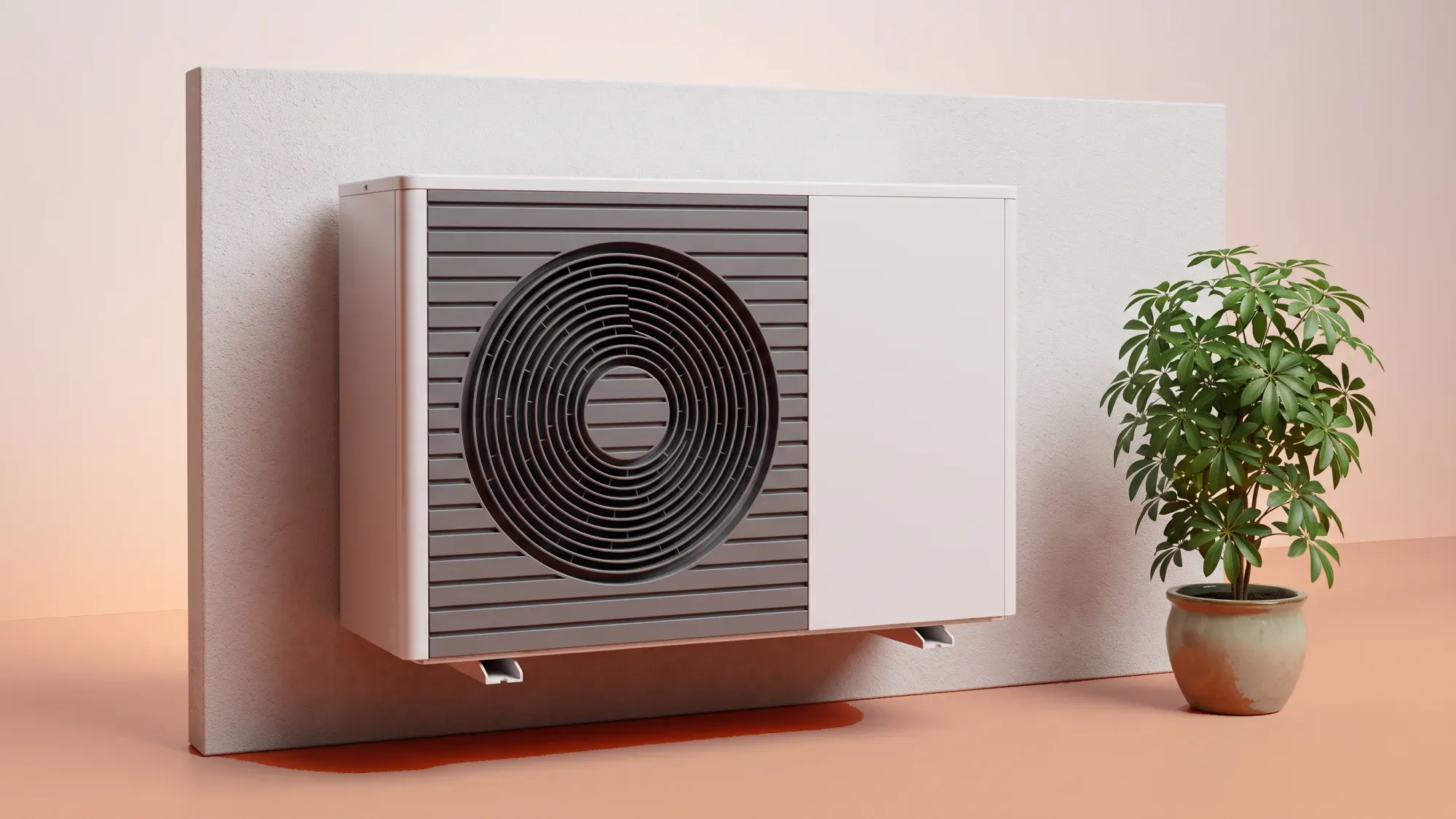
Homeowners in England and Wales can now claim a new £2,500 grant towards the installation of an air-to-air heat pump through the government’s Boiler Upgrade Scheme (BUS). This initiative makes energy-efficient heating and cooling more accessible, empowering you to take greater control over your home's climate and energy consumption.
What is the air-to-air heat pump grant?
The £2,500 grant specifically targets air-to-air heat pump installations in residential properties across England and Wales. This financial support is part of a broader government effort to encourage the adoption of low-carbon heating systems, helping homeowners transition away from fossil fuels.
The Boiler Upgrade Scheme (BUS) and air-to-air heat pumps
The BUS is a UK government initiative designed to reduce the upfront cost of installing low-carbon heating systems like heat pumps and biomass boilers. The scheme launched on 23 May 2022 and is scheduled to run until 30 December 2029. It supports the decarbonisation of homes in England and Wales. The grant is applied as an upfront discount, meaning your installer will deduct the £2,500 from your quote directly.
When did air-to-air heat pumps become eligible for BUS?
Air-to-air heat pumps became eligible for a £2,500 BUS grant on 28 April 20261. This change widened the scheme's scope to include this technology for domestic properties in England and Wales, marking a significant update to the scheme's offerings.
Key differences: air-to-air vs air-to-water heat pumps
While both are types of air source heat pumps, air-to-air and air-to-water systems serve different purposes. An air-to-air heat pump directly warms or cools the air in your home, distributing it through indoor units, similar to air conditioning systems. An air-to-water heat pump, more commonly used as a boiler replacement, heats water that circulates through radiators or underfloor heating systems. This fundamental difference means air-to-air systems do not require new pipework or radiators, making them suitable for properties without a wet central heating system.
Eligibility for the £2,500 grant
To qualify for the £2,500 air-to-air heat pump grant, both your property and the proposed heating system must meet specific criteria under the BUS.
Property and heating system requirements
The grant is available for homeowners in England and Wales. Your property must replace an existing fossil-fuel heating system (such as gas, oil, or LPG boilers) or an electric heating system. New build properties are generally not eligible, with some exceptions for self-builds. The heat pump system itself must meet the scheme's technical requirements, including minimum efficiency levels.
The role of an MCS-certified installer
A crucial requirement for grant eligibility is that the air-to-air heat pump must be installed by a professional certified under the Microgeneration Certification Scheme (MCS). MCS certification ensures that installers meet high standards for product quality and installation practices. Your MCS-certified installer will manage the grant application process on your behalf, applying the £2,500 as an upfront discount on your quote.
Benefits of air-to-air heat pumps
Air-to-air heat pumps offer several advantages, particularly for certain types of homes, making them an attractive option with the new grant.
Dual heating and cooling capabilities
One of the standout benefits of air-to-air heat pumps is their ability to provide both heating in winter and cooling in summer. This dual functionality means a single installation can manage your home's climate control needs year-round, offering comfort during colder months and relief during warmer periods.
Suitability for specific home types
These systems are particularly well-suited for smaller homes, flats, or properties without a wet central heating system. Since they distribute heated or cooled air directly, they do not require the installation of new pipework or radiators, simplifying the installation process for these property types.
Lower installation costs compared to air-to-water
Air-to-air heat pumps are generally considerably cheaper to install than the air-to-water heat pumps more commonly used as boiler replacements. This lower installation cost, combined with the £2,500 grant, can make them a more accessible renewable heating solution for many homeowners.
Addressing domestic hot water needs
It's important to understand the full scope of what an air-to-air heat pump provides, especially concerning domestic hot water.
Why air-to-air systems don't provide hot water
A key distinction of air-to-air heat pumps is that they typically do not provide domestic hot water. Unlike air-to-water systems that heat water for both space heating and taps, air-to-air systems focus solely on regulating air temperature within your living spaces.
Alternative hot water solutions
Because air-to-air heat pumps do not supply hot water, you will need an alternative solution for your domestic hot water needs. Common options include an immersion heater or another dedicated hot-water system. When planning your installation, discuss these options with your MCS-certified installer to ensure a complete heating and hot water solution for your home.
How to apply for the grant
The application process for the air-to-air heat pump grant is designed to be straightforward, with your installer playing a central role.
Finding an MCS-certified installer
The first step is to find an MCS-certified installer who specialises in air-to-air heat pumps. You can search for certified installers through the UK government's website or directly via the MCS website. Ensure they are qualified to install the specific type of air-to-air system you are considering.
The grant application process
Once you have chosen an MCS-certified installer, they will manage the grant application on your behalf. The process typically involves:
Quotation: The installer will provide a quote for the installation, with the £2,500 grant applied as an upfront discount.
Application: Your installer will apply for the BUS grant to Ofgem.
Installation: Once the grant is approved, the installer will proceed with the installation of your air-to-air heat pump.
Voucher redemption: The installer redeems the grant voucher directly, reducing your out-of-pocket expenses.
Costs, savings, and your home's energy future
Understanding the financial implications of installing an air-to-air heat pump is key to making an informed decision.
Understanding installation costs
While air-to-air heat pumps are generally less expensive to install than air-to-water systems, the total cost will vary based on factors like the size of your property, the number of indoor units required, and the complexity of the installation. The £2,500 grant significantly reduces this upfront investment, making these systems more affordable.
Long-term energy bill reductions
By replacing an older fossil-fuel or electric heating system with an energy-efficient air-to-air heat pump, you can expect to see reductions in your long-term energy bills. Heat pumps are designed to be highly efficient, extracting heat from the outside air even in cold temperatures, which can lead to lower running costs compared to traditional heating methods.
Upgrading your home with a heat pump
Leveraging government grants for air-to-air heat pumps empowers homeowners to take control of their energy usage and comfort. This move aligns with a broader shift towards energy independence and cost reduction, allowing you to upgrade your home's heating and cooling with a sustainable, low-carbon solution. It's a strategic decision that puts more power in your hands, moving away from outdated, less efficient heating methods and embracing a more abundant energy future.
For the avoidance of doubt, this article is provided for informational purposes only and is not intended to constitute legal or financial advice. The author and/or Fuse Energy shall not be responsible for any losses arising out of any reliance on the information contained herein.